

I’m looking at Fogo like this: it’s not trying to make everyone “become crypto people.” They’re trying to make the tech disappear into experiences people already understand—games, digital worlds, communities, collecting, and showing up online as yourself.
I know that tiny pause people do before they hit confirm. It is not because they forgot what they are doing. It is because crypto has trained them to expect something strange right when it matters. A delayed block. A price jump that lands one second too late. A swap that slips harder than it should. A liquidation that feels unfair because the chain did not move when you needed it to. After enough of those moments, you start acting differently. You trade smaller. You avoid busy hours. You double-check everything. Not because you are weak, but because you are tired of being surprised.
That is the feeling Fogo is trying to change.
On paper, Fogo is a high-performance Layer 1 that uses the Solana Virtual Machine. But when I look at that sentence like a real user, what I see is something more personal: Fogo is choosing familiarity on purpose so builders do not waste months rebuilding basic things. SVM compatibility means developers can bring existing program logic, tools, and patterns they already understand, instead of learning a completely new execution environment from scratch. And in crypto, that matters. The fastest chain in the world still loses if it feels empty, if it feels lonely, if it feels like nobody serious is building there. Familiarity is not boring. Familiarity is how ecosystems actually grow.
The deeper story is that Fogo is not just trying to be fast in a way that looks good in a screenshot. It is trying to be fast in a way that stays steady when conditions get ugly. Because that is when speed becomes trust. When markets are calm, almost anything can look smooth. When markets are violent, every weakness shows up. That is where users start flinching.
One of the boldest choices Fogo makes is how it treats validator software. Many chains like having multiple clients so the network is not dependent on one codebase. Fogo leans toward a single canonical, high-performance path based on Firedancer. In human terms, it is like choosing one engine that is tuned to run like a race car instead of several engines that might be safer but slower. The payoff is a tighter, more optimized network experience. The risk is obvious too: when you concentrate around one client line, bugs and implementation issues can become more systemic. So the bet is not only on performance, it is on engineering discipline and the ability to maintain that software with extreme care.
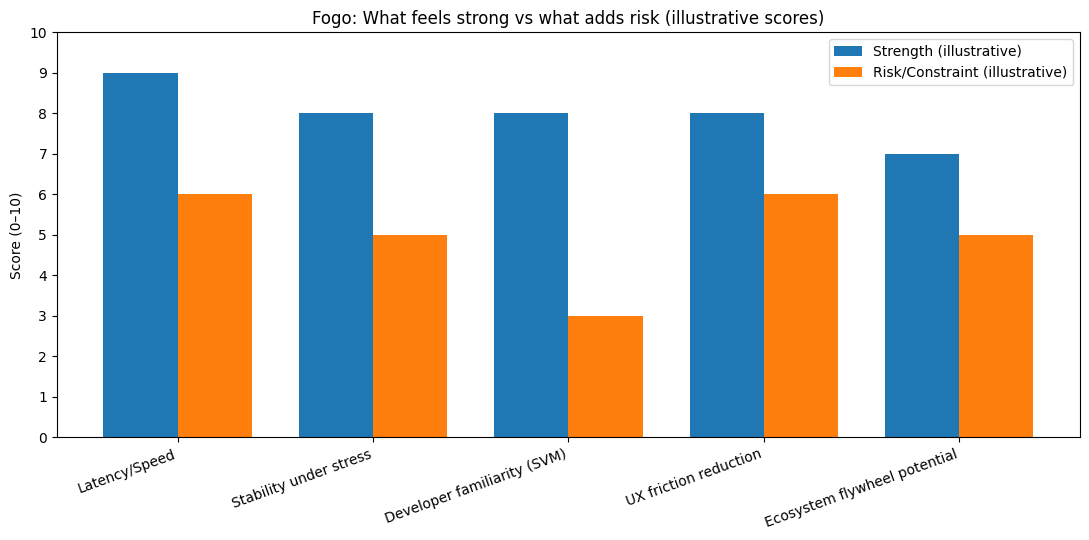
Then there is the part of Fogo that feels like it was designed by people who finally admitted the truth: geography matters. Most blockchains talk about global decentralization like physics does not exist. But the speed of light does not care about narratives. When validators are spread across continents, consensus messages must travel those distances, and latency becomes a built-in tax on every block. Fogo’s approach uses zones, where validators operate close to each other inside an active zone to push latency down. Then, instead of being stuck in one place forever, the active zone can rotate over time. The goal is simple to say and hard to execute: make the network feel local without being permanently centralized in one location.
If you have ever operated infrastructure, you can feel the risk immediately. Zone rotation is not a tweet, it is a coordination problem. It is about transitions, preparation, and failure handling. That is why designs like this usually include a fallback mode, something more conservative if the ideal setup cannot reach quorum or if something goes sideways. That fallback is a comfort, but it also reveals the real challenge: the chain has to stay trustworthy not only when everything is perfect, but when reality gets messy.
Fogo also chooses a curated validator set, and I understand why people argue about that. Open participation is a principle many of us respect. But performance networks hit a brutal reality: even a small number of weak validators can drag the whole system down. Consensus is a group effort, and the group moves at the pace of its weakest links. Fogo’s model tries to protect performance by enforcing standards, but the cost is that governance and social power become more important. Someone decides who qualifies. Someone decides who gets removed. So the question becomes whether the system stays fair and mission-driven, or whether it starts to feel like a club. That is not a technical question. That is a human one.
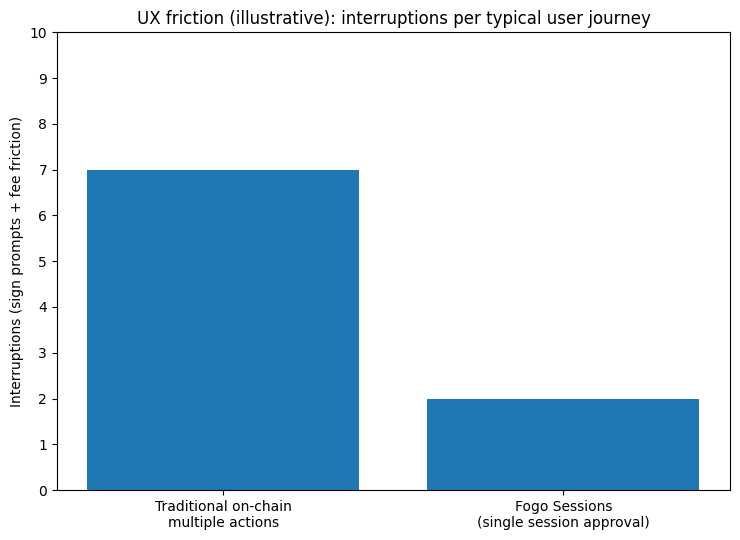
Where Fogo starts to feel genuinely user-first is the way it thinks about friction. Most chains accept wallet pain like it is normal. Fogo Sessions tries to reduce that constant interruption. Instead of signing every tiny action and paying gas every time, the idea is that a user can approve a session with limits and an expiry, then interact smoothly while a paymaster sponsors fees. That is how real apps feel. That is what onboarding should feel like. It is not about making crypto “cool.” It is about making crypto tolerable, and then maybe even pleasant.
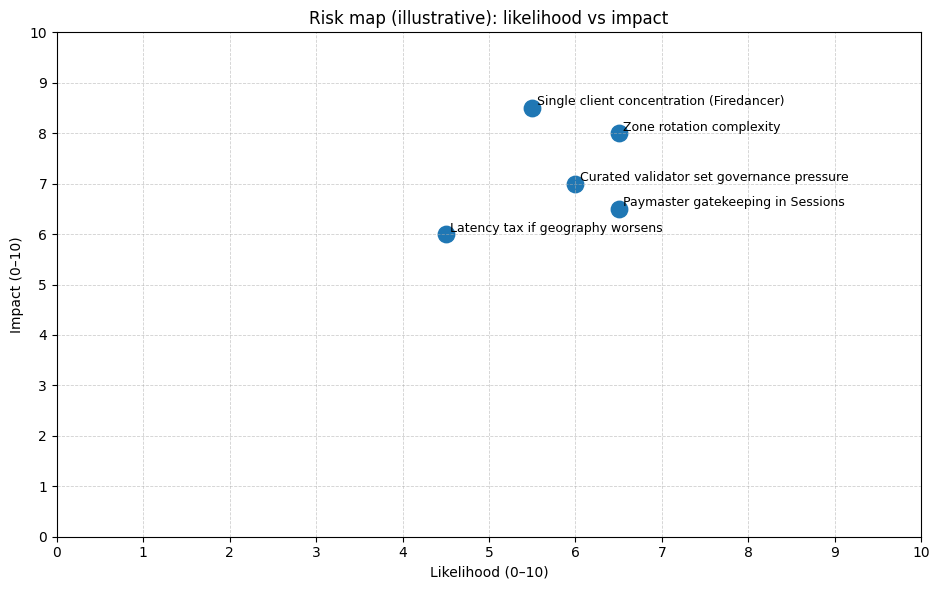
But again, the trade is real. Paymasters can become powerful gatekeepers if the ecosystem is not careful. If someone is paying your fees, they can shape what you do, what gets sponsored, and what does not. Sessions can be a major breakthrough if the ecosystem keeps paymasters competitive and user choice stays real. Sessions can also become a quiet form of centralization if only a few sponsors dominate. So the value is massive, but the design has to be protected with the same seriousness as consensus itself.
Now let us talk about economics, because this is where the long-term story lives. Fogo’s token is meant to cover gas, staking, and validator incentives, which is the normal base layer economic loop. The more interesting idea is how value might come back to the network beyond basic fees. The way Fogo talks about ecosystem funding and revenue-sharing agreements is basically an attempt to turn growth into a feedback loop instead of endless incentives. If apps build on the chain, earn revenue, and share some of that value back into the ecosystem, then the chain is not just handing out rewards, it is building an economy that can sustain itself. If it works, it becomes a steady engine. If it does not, it becomes another nice-sounding promise that disappears when the hype fades.
Unlock schedules and supply dynamics also matter, because markets do not care how beautiful the architecture is if supply pressure hits during weak demand. The chain has to create real reasons for people to hold, stake, and build. It needs usage that feels sticky. Not just mercenaries showing up for rewards, but users showing up because the product feels better. The token cannot be carried forever by narrative. Eventually it is carried by habit, by fees, by real economic loops.
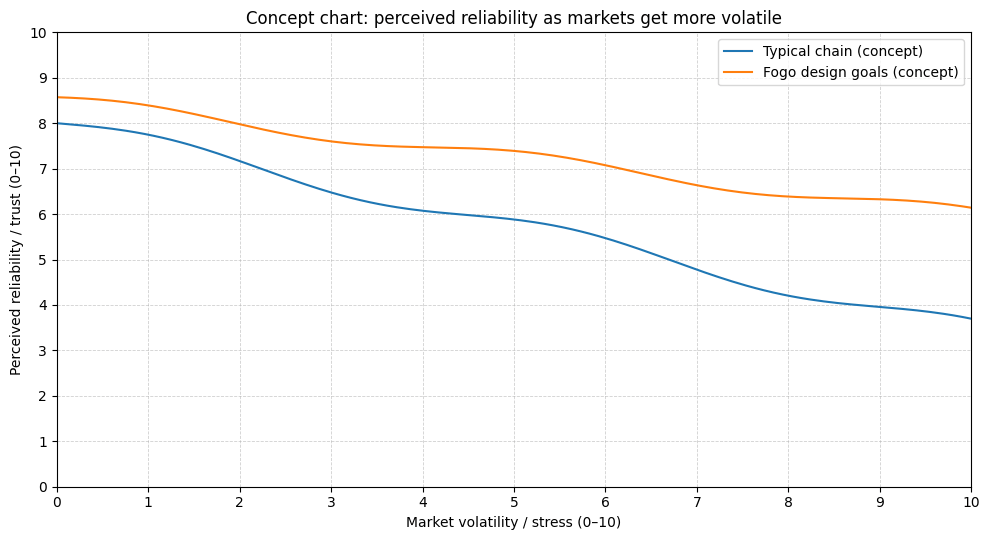
Competition is not gentle either. Solana is the obvious comparison because of the SVM. Other high-performance L1s are fighting for the same DeFi and trading builders. And the biggest competitor is still the simple, brutal convenience of centralized venues that already feel instant. So Fogo does not just need to be fast. It needs to change how it feels to trade on-chain. It needs to make builders believe they can create serious markets without designing around delays. It needs to make users feel like they are acting in real time, not hoping the chain catches up.
The risks are the mirror image of the strengths. Zone rotation can deliver incredible latency, but adds operational complexity. Validator curation can protect performance, but increases governance pressure. A single high-performance client can unlock speed, but concentrates software risk. Gasless UX can expand adoption, but introduces paymaster power. None of these risks automatically doom the project. But they are not cosmetic either. They are the real stress points that will decide whether Fogo becomes dependable infrastructure or a fast experiment that burned too hot.
If Fogo succeeds, the win will look quieter than people think. It will not just be a number on a dashboard. It will be a feeling. The feeling that you do not have to plan your life around network moods. The feeling that your transaction lands the way you expect. The feeling that your app experience is not constantly broken by signing friction. The day you realize you clicked confirm without that tiny hesitation, that is when the chain has actually done something meaningful.
That is the real promise of Fogo. Not speed as flex. Speed as relief.