
Most people look at Fogo and immediately reach for the obvious metrics. Speed. Low fees. Another venue for traders hunting tighter spreads. But that framing misses the deeper shift. What Fogo is really packaging is not blockspace or ideology. It is time. Time compressed into milliseconds. Time shaved off the distance between intent and execution. Time reduced to such small fragments that trading begins to feel less like delayed settlement and more like participation inside a live venue.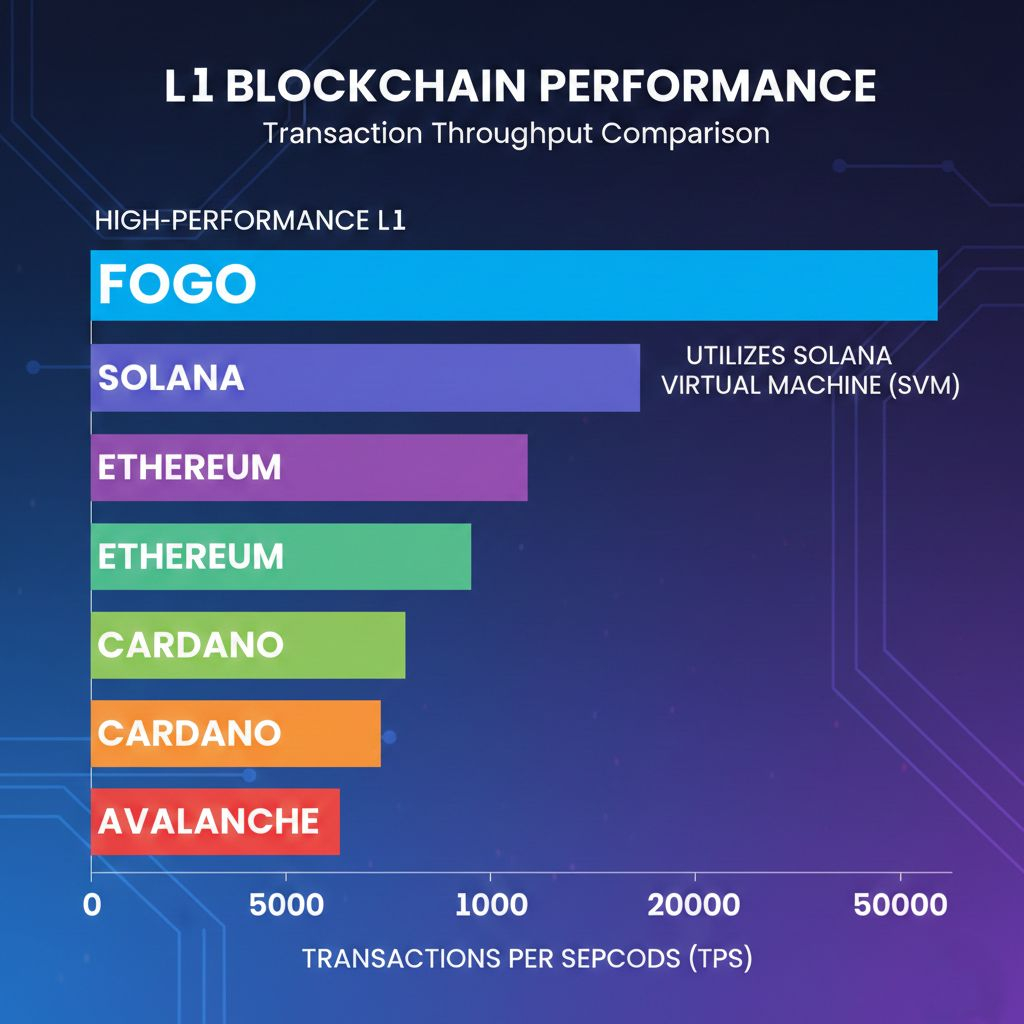
That distinction matters because the true cost of on-chain trading has never been just the fee printed on the screen. The real cost sits quietly in the risk assumed by liquidity providers. When a market maker posts quotes on most chains, they are accepting a structural delay. If they get lifted, they cannot always adjust inventory instantly. They wait. In that waiting window, volatility moves against them, spreads widen to compensate, and capital becomes cautious. Every extra millisecond of state latency becomes embedded inside the spread.
If Fogo genuinely compresses that window the way it intends, the effect is not cosmetic. It alters the risk calculus. The shorter the update loop, the less inventory exposure a liquidity provider must tolerate for the same quoting size. Tighter loops mean tighter spreads. Not because of marketing narratives, but because the balance sheet math improves.
But speed has a second-order effect. When updates become fast enough, liquidity does not simply get cheaper. It becomes more selective. Providers no longer need to park large amounts of passive capital on-chain all day. They can migrate toward just-in-time quoting. They appear when conditions are stable and withdraw the moment risk shifts. In calm markets, this feels transformative. Depth improves. Slippage shrinks. Books look resilient. In stressed markets, the same mechanism can become fragile. The speed that allows liquidity to react efficiently also allows it to disappear instantly.
This is where infrastructure stops being a footnote and becomes central. A chain engineered around extreme performance targets naturally filters participation. Operators who can maintain ultra-low latency and reliable uptime gain structural advantages. That is not a moral critique. It is a design consequence. Over time, those who keep the system fast influence what applications can thrive within it. Performance requirements quietly shape power distribution.
Interoperability is another structural layer that cannot be ignored. Fogo does not assume liquidity will materialize in isolation. It leans into routing and external capital flows from the beginning. That is pragmatic. Trading liquidity tends to aggregate elsewhere before it redistributes. Stablecoins bridge in. Volume follows incentives. Venues form around flow. But liquidity that can enter easily can also exit without friction. In moments of stress, capital does not hesitate. It routes out. Speed accelerates both arrival and departure.
The token design introduces its own complexity. High-frequency trading environments often suffer from aggressive token churn. Users acquire the fee asset briefly, spend it, and rotate out. One of the more subtle shifts in this ecosystem is the emphasis on sessions and sponsored transactions, where applications abstract gas costs away from end users. That can dampen retail churn around the token, but it reallocates demand upward. Apps, venues, and market makers begin carrying the structural need for the asset. The token evolves from retail toll to infrastructure inventory. That shift changes the durability and concentration of demand in ways that are not immediately obvious.
All of this exists within macro constraints. Even if the chain processes state changes in milliseconds, the capital underwriting liquidity does not move at that speed. Risk limits are adjusted over hours. Balance sheets are resized over days. Funding conditions tighten gradually and then suddenly. In loose liquidity regimes, speed compresses spreads and feels like progress. In tight regimes, speed can amplify retreat, enabling faster deleveraging and sharper withdrawals.
Faster clocks do not eliminate MEV. They reshape it. Advantage migrates toward those closest to sequencing, routing, and infrastructure optimization. When time becomes the scarce commodity, the edge accrues to whoever can observe and act within the narrowest interval.
So the real question around Fogo is not whether it can remain fast. It is whether sustainable value can accrue in a system intentionally designed to minimize forced holding and reduce inventory risk for the very actors generating volume. If users are abstracted from token friction, demand concentrates among sponsors of flow. If liquidity is imported through routing, retention depends on structural superiority rather than incentives alone. And if performance constraints narrow the validator and operator set, market quality and governance influence may converge whether acknowledged or not.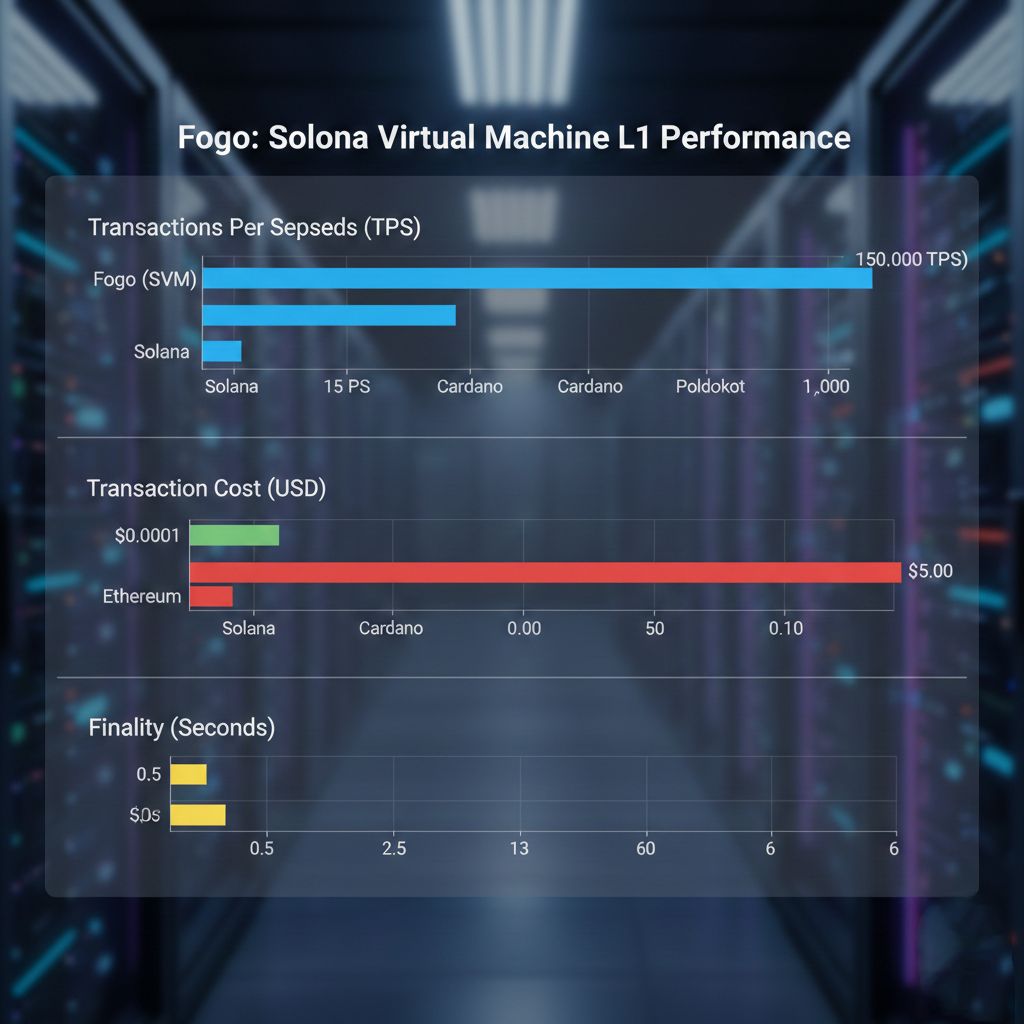
In the end, Fogo is not merely competing on throughput. It is experimenting with the economics of time itself. Whether that compression produces durable ecosystems or increasingly reflexive liquidity cycles will determine if speed becomes its moat or its mirror.
