Cryptocurrency trading involves speculating on price movements of digital assets like Bitcoin and Ethereum. The goal is to buy low and sell high, or vice versa if you're short-selling. Unlike traditional stock markets, crypto markets operate 24/7.
1. Understanding Blockchain Technology
At the heart of cryptocurrency is blockchain technology. A blockchain is a decentralized, distributed ledger that records all transactions across a network of computers. This makes it secure and transparent.

2. Choosing a Cryptocurrency Exchange
To trade crypto, you'll need to use a cryptocurrency exchange. These are platforms where you can buy, sell, and trade various cryptocurrencies. Popular exchanges include Binance, Coinbase, Kraken, and many others. Look for an exchange with good security, low fees, and the coins you want to trade.

3. Basic Order Types
When you trade, you'll primarily use two types of orders:
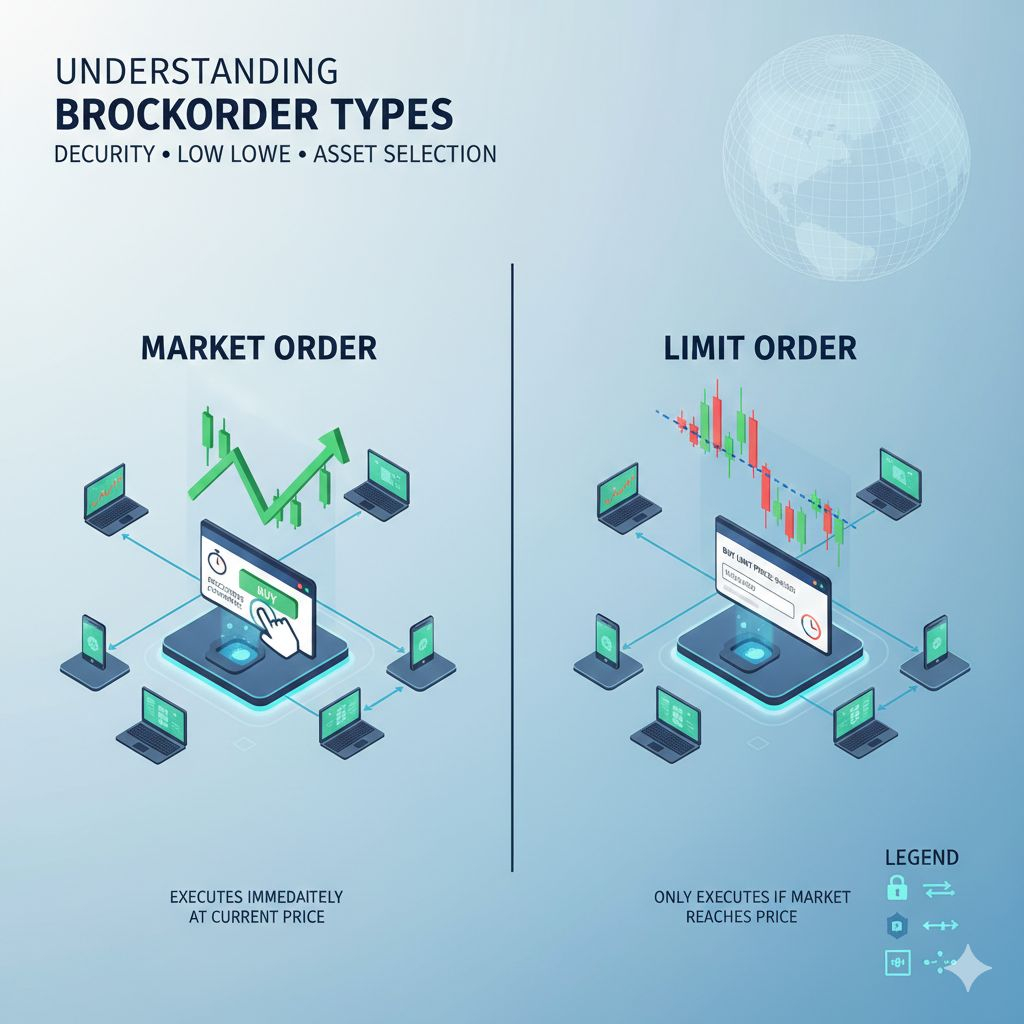
Market Order: Executes immediately at the best available current price.
Limit Order: Allows you to set a specific price at which you want to buy or sell. The order will only execute if the market reaches that price.
4. Reading Candlestick Charts
Candlestick charts are essential for technical analysis. Each "candlestick" represents price movement over a specific period (e.g., 1 hour, 1 day).
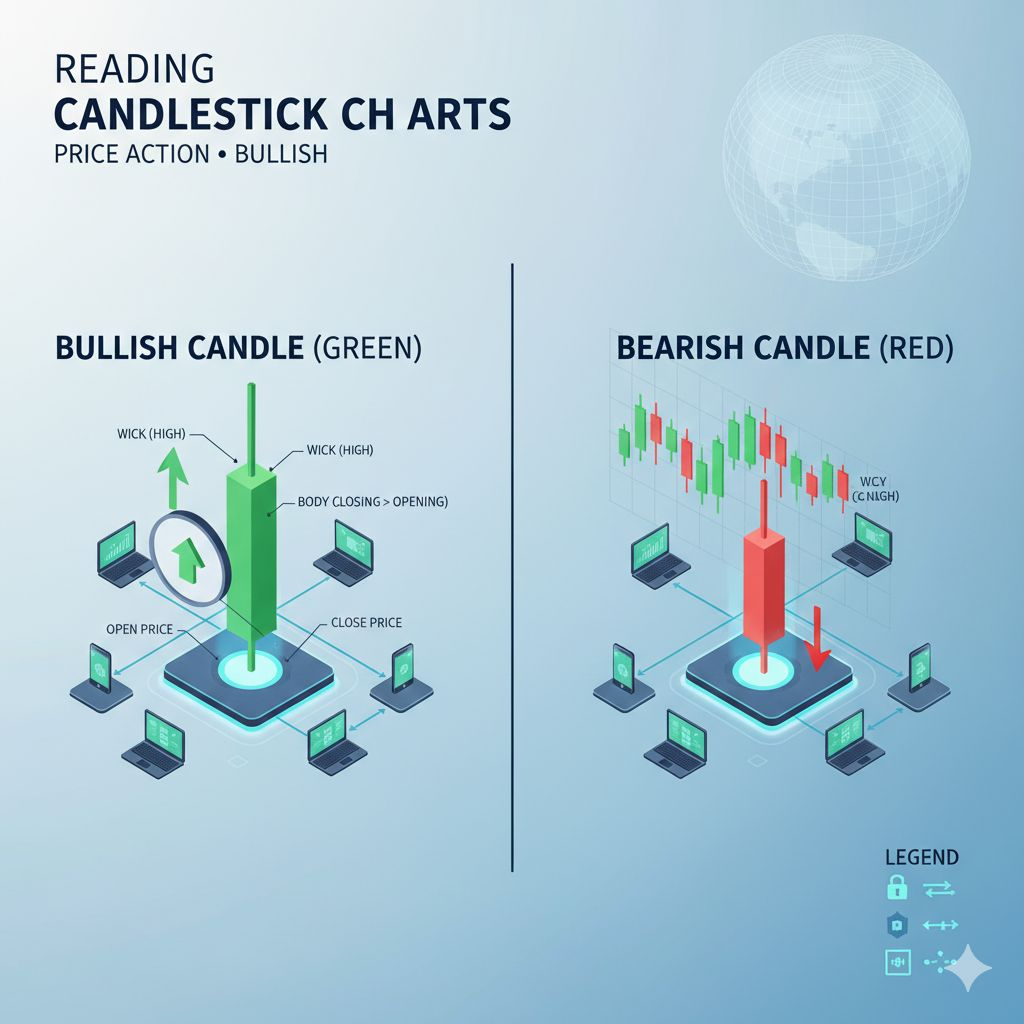
Green/White Candlestick: Indicates the price closed higher than it opened (bullish).
Red/Black Candlestick: Indicates the price closed lower than it opened (bearish).
Body: The main rectangular part shows the opening and closing prices.
Wicks/Shadows: The thin lines extending from the body show the highest and lowest prices reached during that period.
5. Support and Resistance Levels
These are key concepts in technical analysis:
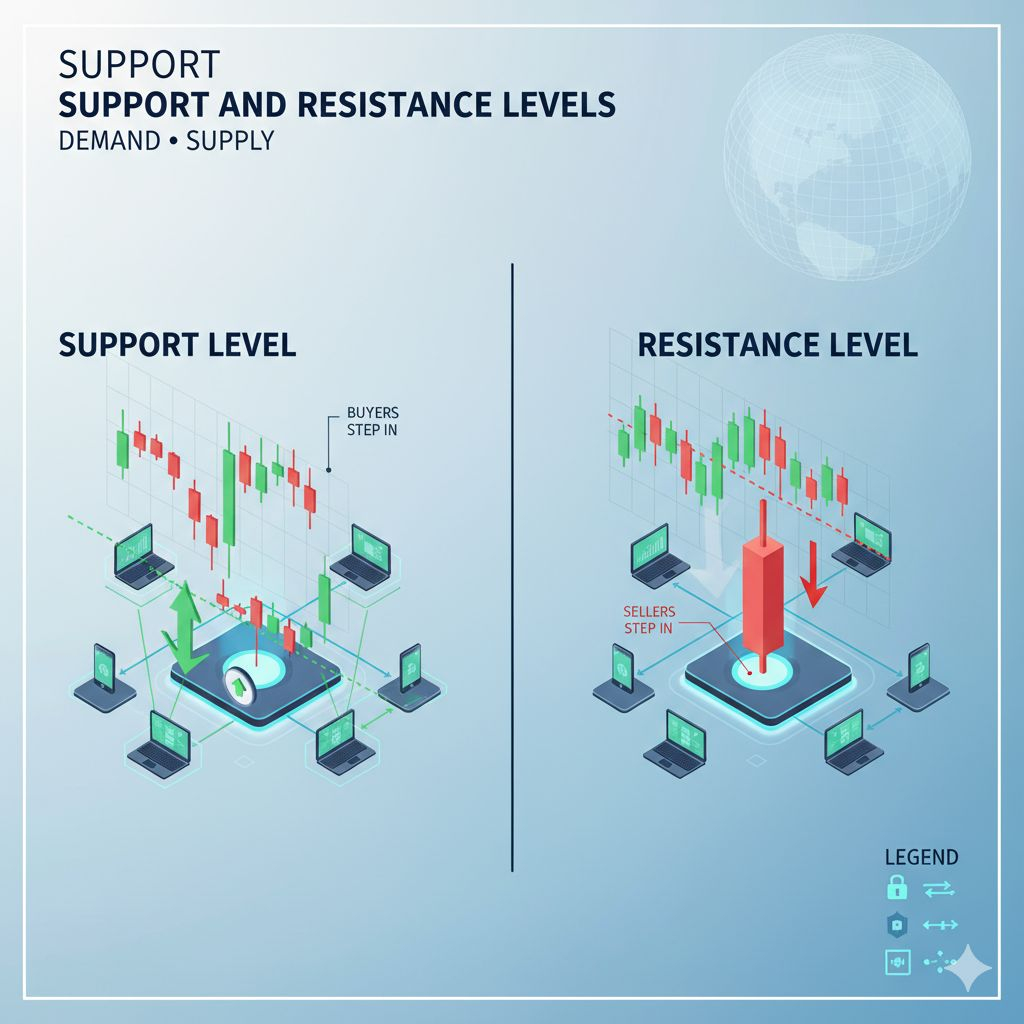
Support Level: A price level where a downtrend is expected to pause due to a concentration of demand. Buyers tend to step in at this level.
Resistance Level: A price level where an uptrend is expected to pause due to a concentration of supply. Sellers tend to step in at this level.