
A Shift From Speculation to Infrastructure
The crypto industry has evolved far beyond simple trading narratives. While many projects focus on short-term attention, some aim to build long-term infrastructure. The rise of MIRA represents this broader shift in the digital asset space.
Unlike typical market-driven tokens, MIRA gained recognition for highlighting how blockchain ecosystems can support structured coordination, transparency, and community alignment.@Mira - Trust Layer of AI
Technology-Driven Growth
Built within a decentralized environment, MIRA demonstrates how modern crypto projects are increasingly combining token design, governance mechanisms, and community participation into one ecosystem.
This approach reflects a growing trend in Web3: moving from purely speculative assets toward utility-focused digital systems. Tokens are no longer just instruments of trading — they are becoming tools for participation and network functionality.
Community as a Core Strength
One of the most important aspects of MIRA’s journey is community engagement. In decentralized networks, active participation plays a critical role in sustainability. When users contribute, govern, and interact within the ecosystem, the network becomes stronger over time.#Mira
This model reduces reliance on centralized control and promotes distributed decision-making — a core principle of blockchain technology.
The Bigger Picture for Crypto
Projects like MIRA indicate that the crypto industry is entering a more mature phase. Instead of focusing only on rapid price movements, attention is gradually shifting toward structure, transparency, and real-world integration.
Whether through governance systems, token utility, or ecosystem expansion, the future of digital assets will likely depend on how well projects balance innovation with responsibility.
MIRA is one example of how blockchain ideas continue to evolve — not just as financial tools, but as digital coordination systems shaping the next generation of online inf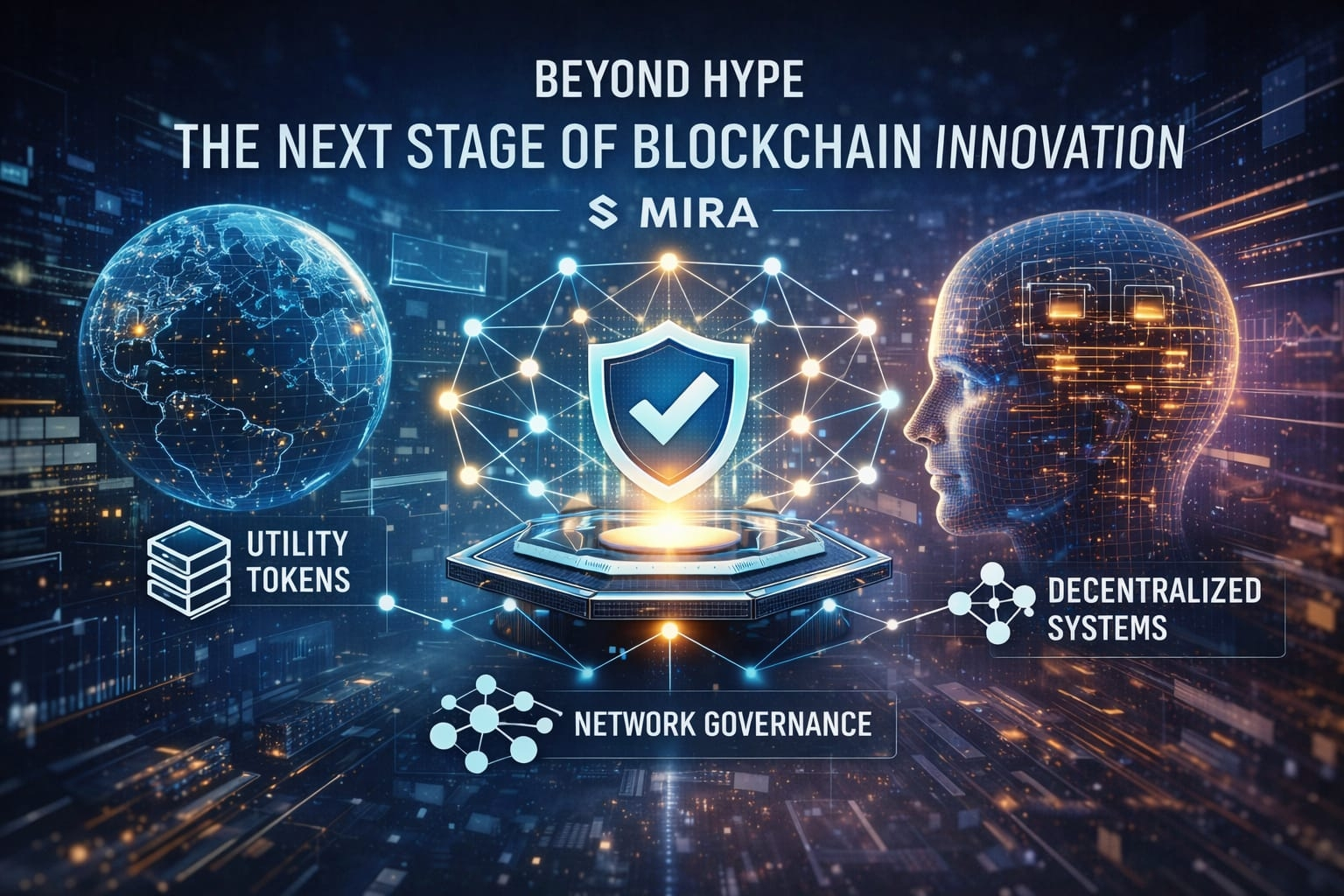 rastructure.$MIRA
