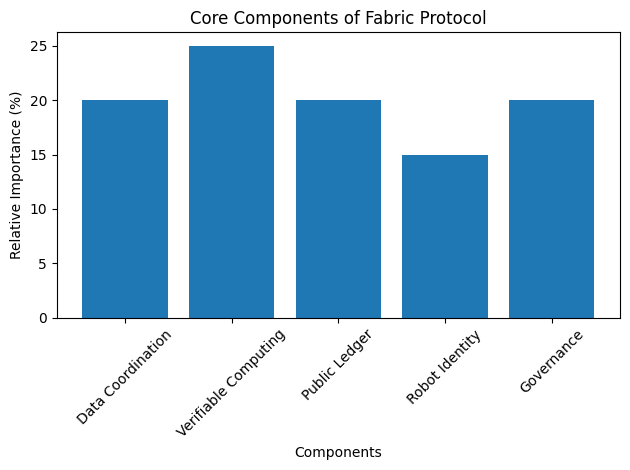
When I first learned about what they’re building with Fabric Protocol and the Fabric Foundation it struck a deep chord with me because it feels like a real turning point in human history where we are learning how to work with machines in a safe and fair way rather than letting machines run wild or be controlled by only a few companies. Fabric Protocol is not just an idea floating in tech bubbles it is a global open network meant to help build and govern general purpose robots that can live in the real world and help people in meaningful ways.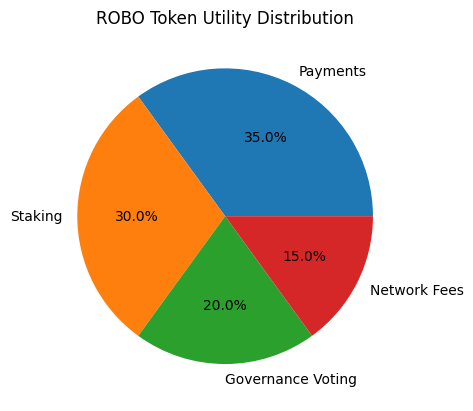
Fabric Foundation +1
At its core this project is built around a belief that one day machines are going to do a lot of work for us, not just in factories or in science but in everyday life helping people with tasks that require intelligence and physical ability. They’re talking about general purpose robots robots that are capable of acting independently in the real world. But they also see the need for careful planning and coordination because a robot that moves and thinks needs rules safety checks identity and a shared way to contribute to the world without hurting people or taking away power from society. That is where Fabric comes in.
Fabric Foundation
The Fabric Foundation is the non profit organization that is supporting all this work and is truly the heart of why this project exists. The Foundation is not some marketing group or a company looking to make easy money they are a global mission driven team trying to build infrastructure that makes sure humans and robots can work together in a way that is safe understandable and fair for all people everywhere. They talk about making machine behavior predictable so that humans feel confident around them and can participate meaningfully in guiding them. They want to make sure anyone can contribute ideas and skills not just big corporations or wealthy countries.
Fabric Foundation
So what does Fabric Protocol really do? At a high level it’s about coordination governance identity and economics for real robots. Unlike traditional robots that are tied to one company or one system Fabric wants to create a shared open network where robots can have a digital identity that can be verified on a public ledger, they can exchange payments or data securely, and they can participate in tasks that are assigned in a decentralized and fair way. Robots will be able to verify who they are, verify what they are doing and get rewarded for work without depending on a central boss or owner to control everything.
Holder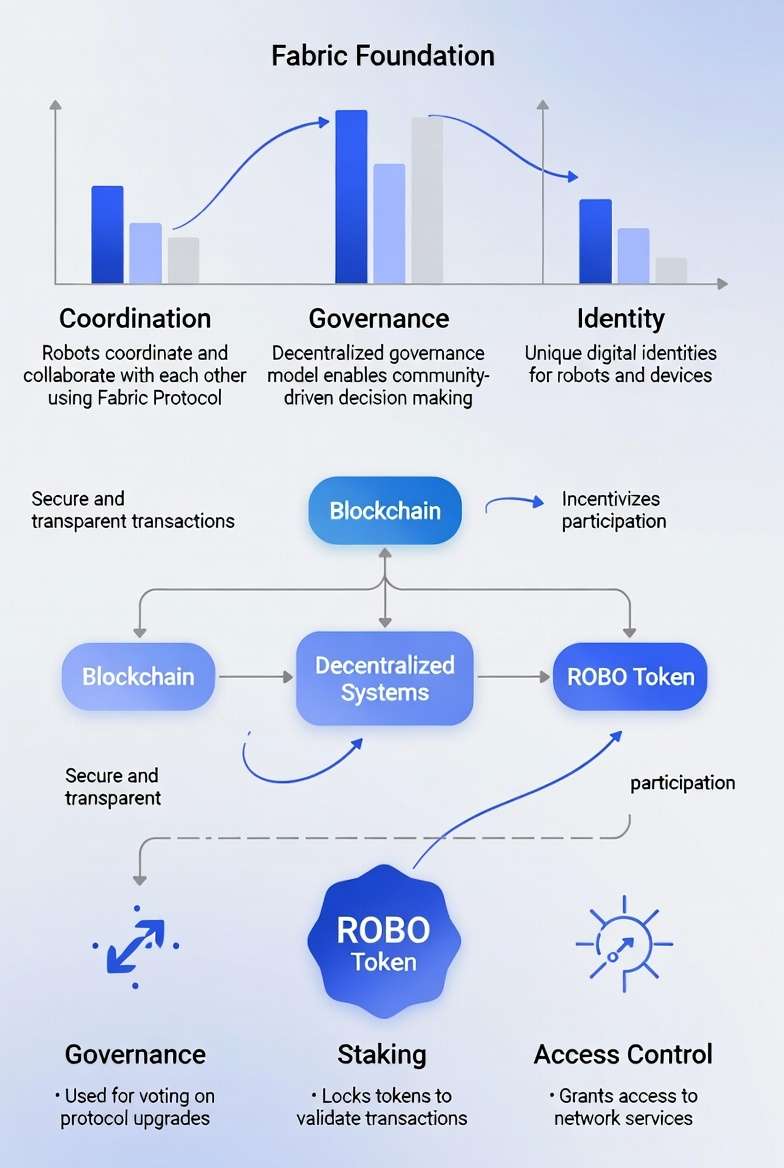
They’re doing this by using the ideas of blockchain and decentralized systems but applying them not just to digital money but to machines that are acting in the physical world. Fabric is built to coordinate data computation and oversight through public ledgers which means every action taken by an autonomous robot could be tracked verified and audited if needed. If a robot helps someone or moves objects in a warehouse or delivers goods across a city the actions get recorded in a way that anyone can check. It becomes a world where trust is not just in a company or a legal system but in the shared code logic and transparent records.
Holder
This is especially emotional for me because if we’re going to let machines operate in the world where people live we have to trust that they are doing the right thing. I’m not talking about robots just following orders I’m talking about a future where robots have rules values and oversight so that they don’t hurt people or act in ways that are unexpected. Because human life and human emotions are messy and unpredictable they need systems that are reliable and open. Fabric is building that infrastructure.
Fabric Foundation
Part of this also comes from a belief that as robots become a normal part of society we can’t let only a handful of corporations control their behavior. If that happens the benefits of robots could stay in the hands of a few while the risks spread to everyone. They want to create frameworks so that communities developers researchers and individuals anywhere can have a voice in how robots behave and how the systems evolve. It becomes a deeply human commitment to fairness and inclusion.
Fabric Foundation
One of the most interesting things about Fabric is the native utility token called ROBO. This token is at the center of how the network works and how people will participate. I know when people hear the word token they often think of price charts exchanges and speculation but this is different. This token is meant to serve real infrastructure functions. It is used for payments within the network so that robots can have wallets and do transactions. It is used for staking so that participants in the network can show commitment and get priority in task assignment or governance. And it is used for voting decisions that affect how the network evolves. It becomes the economic engine of a robot ecosystem and helps align everyone’s interests.
Fabric Foundation +1
In regular life when we work we get paid we have identities and we follow rules that are set by society and governments. Fabric wants to build similar things for robots so that autonomous machines are not lawless or stuck in closed ecosystems controlled by a few. This idea of open participation resonates with me because I’ve always believed that technology should empower every human not just a select group. Fabric’s vision is that robots can belong to communities not just companies and this can help create opportunity everywhere.
Fabric Foundation
One of the most powerful parts of their roadmap is how they envision robots having on chain identity wallets and payment capabilities. Robots will not be able to open a bank account or have a passport like humans do but they will have wallets and identities on blockchain so they can prove who they are, who built them, and what they are doing. This opens the possibility of robots paying for services or being paid for services they perform. Now I’m not saying this world is here today but this is where they’re headed and every step of this is being built with safety and transparency in mind.
Fabric Foundation
I remember reading about the governance piece and feeling a chill because it is the first time I saw robots being given a framework not just to operate but to evolve with humans. People in the network can vote on fees operational policies and broader protocol decisions. This means humans and machines are not in separate worlds but are learning and adjusting together. It becomes a partnership over time.
Fabric Foundation
As the ecosystem grows there are also paths for developers, businesses and researchers to build new applications on top of Fabric. Because the infrastructure is open and modular anyone with skills can create tools that help robots do more — maybe better healthcare assistants, maybe safer autonomous delivery systems, maybe educational robots that help children everywhere. The emotional beauty of this is that it could open doors for people everywhere to contribute their ideas to these machines and to benefit from their work.
Fabric Foundation
If you think about it from a human perspective this is more than technology. It is a reflection of how we want the future to look: a future where machines don’t replace humans but work with humans where robots aren’t just tools but partners in creating new opportunities where people can contribute their creativity and values to shape how the world changes. The Fabric Foundation sees this very clearly and I believe that is why they emphasize education research governance and global participation as pillars of their mission.
Fabric Foundation
I’m personally excited about how open this vision is and how much they talk about aligning machine values with human values. Too often we see advanced technology being developed in closed rooms with secrets and closed systems. Fabric’s insistence on transparency trust and collective evolution speaks to me like a hopeful message that even as machines get stronger we can keep humanity at the center of innovation.
Fabric Foundation
Closing Thoughts
In the end Fabric Protocol is more than just a technical project it is a vision of coexistence where humans and robots can learn to communicate coordinate and contribute to a shared future. It is not perfect and it is not complete but it is standing for an idea bigger than profit or power it’s standing for possibility and human dignity in the age of machine assistants and autonomous systems.
I know reading this might make you feel a mix of excitement and maybe a little fear because the idea of robots everywhere is not small. It is huge and it touches what we imagine about life itself. But if we have projects like this rooted in open participation and grounded in transparent systems we can feel more hopeful.
The journey of building this future is not something one company or one team can finish alone it belongs to all of us and that is what makes the story of Fabric Protocol so compelling. I’m grateful to share this understanding with you and I’m excited to see where this path leads us next.