

Als ich zum ersten Mal ernsthaft Zeit mit dem Studium von Ethereum verbrachte, dachte ich, dass der wichtigste Teil des Netzwerks der Code selbst sei. Smart Contracts, Gasgebühren, Validatoren und dezentrale Anwendungen schienen die offensichtlichen Säulen zu sein, die alles zusammenhalten. Aber je mehr Zeit ich damit verbrachte, zu beobachten, wie sich das Ökosystem tatsächlich entwickelt, desto mehr wurde mir klar, dass die wahre Stärke von Ethereum nicht nur in seiner Technologie liegt. Es ist die Art und Weise, wie Entscheidungen über diese Technologie getroffen werden.
Während meiner Forschung stieß ich immer wieder auf etwas, das als Ethereum Improvement Proposal bezeichnet wird, normalerweise als EIP abgekürzt. Auf den ersten Blick sieht es aus wie ein technisches Dokument, das von Entwicklern geschrieben wurde. Aber nachdem ich mehr Zeit damit verbracht hatte, mich damit auseinanderzusetzen, wurde mir klar, dass EIPs viel mehr sind als nur Vorschläge. Sie sind im Wesentlichen die Gesprächsebene von Ethereum – der Ort, an dem Ideen, Meinungsverschiedenheiten, Innovation und Governance aufeinandertreffen.
Ethereum wird nicht von einem Unternehmen mit einem CEO betrieben, der entscheidet, was als Nächstes passiert. Es gibt keine zentrale Autorität, die Updates nach Belieben durchdrückt. Stattdessen entwickelt sich das Netzwerk durch einen Prozess, in dem Entwickler, Forscher und Mitglieder der Community Verbesserungen vorschlagen, diese öffentlich diskutieren, testen und schließlich einen Konsens erreichen. Das EIP-System ist die formale Struktur, die es ermöglicht, dass dieser Prozess auf organisierte Weise geschieht.
Ich erinnere mich, dass ich frühe Diskussionen aus der Entwicklungsgeschichte von Ethereum gelesen habe und mir klar wurde, dass das Netzwerk immer von diesem kollaborativen Prozess abhängig war. Menschen schlagen Ideen vor, andere kritisieren sie, Verbesserungen werden vorgenommen, und schließlich entscheidet die Community, ob die Änderung Teil des Protokolls werden sollte. Es ist manchmal chaotisch, aber es ist auch unglaublich mächtig, weil es die Kontrolle verteilt und nicht zentralisiert.
Während ich tiefer in das Thema recherchierte, fiel mir auf, dass ein Name ständig in diesen Diskussionen auftaucht: Vitalik Buterin. Als einer der Gründer von Ethereum spielt Vitalik nach wie vor eine wichtige Rolle bei der Überprüfung von Vorschlägen, der Mitwirkung an Forschungsarbeiten und der Erklärung komplexer Ideen für die breitere Community. Was mir jedoch während meiner Forschung auffiel, ist, dass selbst jemand so einflussreich wie Vitalik den Prozess nicht kontrolliert. Er nimmt daran teil. Jeder mit dem technischen Wissen und einer starken Idee kann einen EIP schreiben und ihn der Community vorstellen.
Einer der Momente, die mir wirklich klar machten, warum dieses System wichtig ist, war, als ich die Geschichte des DAO-Hacks erneut besuchte. Damals ermöglichte eine Schwachstelle in einem dezentralen Investitionsprojekt, dass eine massive Menge an Geldern abgezogen wurde. Die Ethereum-Community sah sich mit einer schwierigen Entscheidung konfrontiert: den Verlust als unveränderliches Ergebnis des Codes zu akzeptieren oder einzugreifen und die Situation zu korrigieren.
Zu beobachten, wie sich diese Debatte entfaltete, lehrte mich eine wichtige Lektion. Blockchain-Systeme mögen stark auf Code angewiesen sein, aber sie werden immer noch durch menschliche Entscheidungen geformt. Letztendlich stimmte die Community zu, einen Hard Fork durchzuführen, um den Schaden rückgängig zu machen, was letztendlich das Netzwerk spaltete und Ethereum Classic schuf. Dieses Ereignis zeigte, dass Governance nicht theoretisch ist — sie ist etwas, das die Zukunft eines Netzwerks direkt prägt.
Als ich weiterhin EIPs recherchierte, tauchte ein Vorschlag immer wieder in den Diskussionen über die Wirtschaft von Ethereum auf: EIP‑1559. Bevor dieser Vorschlag umgesetzt wurde, waren die Transaktionsgebühren auf Ethereum unvorhersehbar und oft frustrierend. Die Benutzer mussten erraten, wie viel Gas sie bezahlen sollten, was häufig dazu führte, dass sie zu viel zahlten oder zu lange auf die Bestätigung einer Transaktion warteten.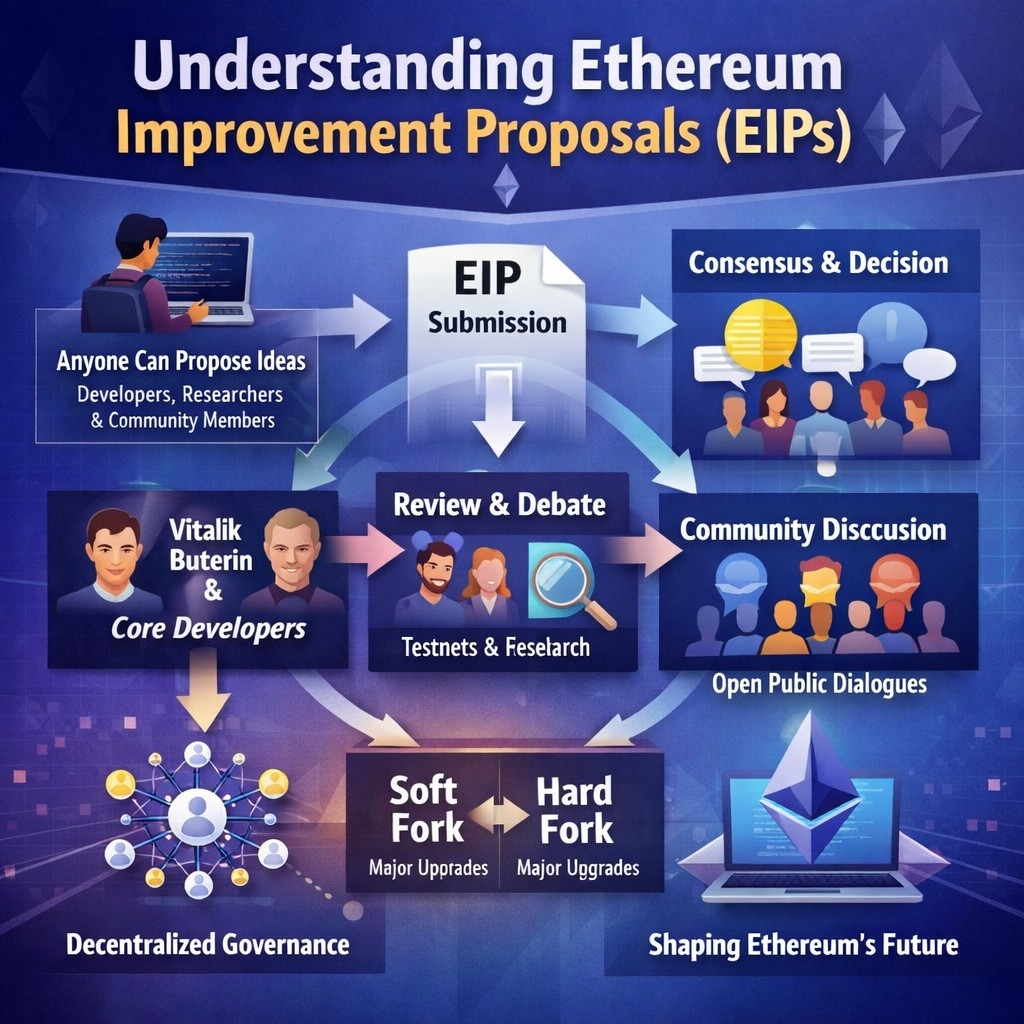
Als EIP-1559 eingeführt wurde, veränderte es die Art und Weise, wie der gesamte Gebührenmarkt funktioniert. Anstatt sich rein auf einen Bietkrieg zwischen Benutzern zu verlassen, führte das Netzwerk eine Basisgebühr ein, die sich automatisch je nach Überlastung anpasst. Was mich bei der Recherche zu diesem Vorschlag am meisten faszinierte, war die Idee des Gebührenverbrennens. Anstatt die Basisgebühr an Validatoren zu zahlen, wird dieser Teil der Transaktionskosten dauerhaft aus dem Verkehr gezogen.
Im Laufe der Zeit hat dieser Mechanismus einen tiefgreifenden Einfluss auf die monetäre Struktur von Ethereum gehabt. Er schuf eine Dynamik, in der die Netzwerkaktivität tatsächlich das zirkulierende Angebot an Ether reduzieren kann. Zu beobachten, wie ein einzelner Vorschlag die Wirtschaft einer der größten Blockchains der Welt umgestaltete, ließ mich erkennen, wie mächtig das EIP-System wirklich ist.
Eine weitere massive Transformation, die durch den EIP-gesteuerten Entwicklungsprozess kam, war The Merge. Dieses Upgrade änderte den Konsensmechanismus von Ethereum von energieintensivem Mining zu staking-basierter Validierung. Der Übergang geschah nicht über Nacht. Es dauerte Jahre der Forschung, Experimente, Debatten und technische Planung.
Aus meiner Sicht als jemand, der Zeit damit verbringt, das Ökosystem zu erforschen, hat dieser lange Prozess tatsächlich die Stärke der Governance von Ethereum demonstriert. Wesentliche Änderungen werden nicht überstürzt. Sie durchlaufen unzählige Diskussionen, Testphasen und Community-Überprüfungen, bevor sie Realität werden.
Je mehr Zeit ich damit verbrachte, zu beobachten, wie EIPs von der Idee zur Umsetzung übergehen, desto mehr begann ich, sie als den Fahrplan von Ethereum zu sehen, der in Echtzeit geschrieben wird. Jeder Vorschlag stellt einen kleinen Schritt in der Evolution des Netzwerks dar. Einige konzentrieren sich auf die Verbesserung von Entwicklerwerkzeugen. Andere verfeinern Sicherheitsmechanismen oder wirtschaftliche Modelle. Und manchmal verändert ein Vorschlag vollständig, wie das gesamte System funktioniert.
Was mich am meisten fasziniert, ist, dass das EIP-System Innovation in einen öffentlichen Prozess verwandelt. Jeder kann die Vorschläge studieren, den Debatten folgen und verstehen, warum bestimmte Entscheidungen getroffen werden. Anstatt dass Änderungen hinter verschlossenen Türen stattfinden, entfaltet sich die Entwicklung von Ethereum im offenen.
Nachdem ich Zeit damit verbracht habe, dieses System zu erforschen, habe ich EIPs als die Brücke zwischen menschlichen Ideen und dezentraler Technologie gesehen. Code mag das Netzwerk betreiben, aber Ideen formen den Code. Und diese Ideen werden organisiert, debattiert und durch den EIP-Prozess verfeinert.
Ethereum durch diese Linse zu beobachten, macht eines für mich klar. Die Zukunft des Netzwerks wird nicht von einem einzelnen Entwickler oder einer Organisation geschrieben. Sie wird kollektiv, Vorschlag für Vorschlag, durch ein globales Gespräch darüber, wie die Technologie wachsen sollte, geschrieben.
\u003ct-72/\u003e
\u003ct-62/\u003e
\u003ct-41/\u003e