
I’ve been sitting with my thoughts for a while now, trying to process this whole Fabric Protocol and ROBO thing. It's one of those projects that piqued my interest, but not in that typical, jump-out-of-my-seat kind of way. More like, “Hmm, okay, I see what they’re trying to do… but is it really different, or just the same stuff in a shiny new wrapper?”
I get the general idea. Fabric Protocol is positioning itself as this next-gen blockchain solution aimed at solving the same set of problems we’ve seen so many times before—scalability, slow transaction times, high fees, all that jazz. The promise is that it’ll be faster, cheaper, and more developer-friendly than what we've got with Ethereum, while also enabling decentralized apps (dApps) and DeFi. ROBO, the token behind it, is supposed to power everything—staking, governance, fees, the usual suspects.
Here’s where I start to get a little skeptical. The whole thing feels… familiar. Too familiar. I can’t shake the feeling that I’ve seen this exact same pitch before. In fact, it feels a lot like Solana or Avalanche, who made similar promises about solving Ethereum’s bottleneck issues—more scalability, lower fees, all while maintaining security and decentralization. And to be fair, some of them did end up succeeding (for a while, at least). But the real question, as always, is: will this be different?
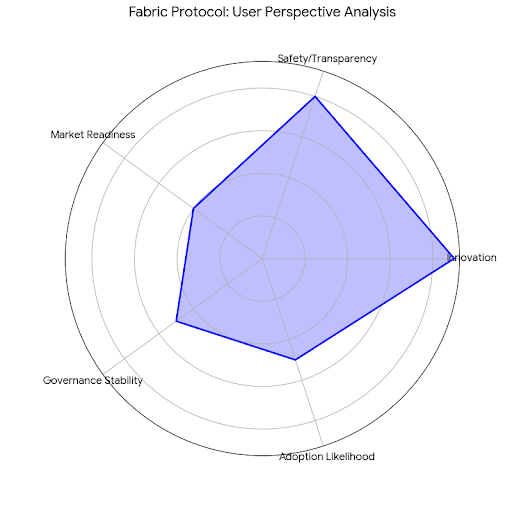
With every new project, there’s always the rush of excitement, the “this is going to change everything!” vibe. But the problem is, that initial hype can wear off fast. I’ve seen it happen more times than I can count. So, while Fabric’s vision might be compelling, I’m not fully convinced it’ll hold attention once the novelty starts to wear off. It’s one thing to create a fast, cheap blockchain, but it’s another thing entirely to build the kind of ecosystem that can actually attract users and developers in the long run. I’ve seen projects that were tech-heavy and conceptually brilliant, only to stall when it came to real-world adoption. That’s my concern here.
Then there’s ROBO, the token. It’s the lifeblood of the system, powering staking and governance, just like so many other tokens out there. I don’t mean to sound cynical, but it’s hard not to roll my eyes a bit. How many times have we seen tokens that start out with all this potential, only to see their value evaporate when the speculative bubble bursts? It’s like the market is full of tokens that are all trying to do the same thing, but only a few end up sticking. Sure, maybe ROBO will work as intended—maybe it’ll be a valuable part of the ecosystem—but I’ve learned to stay cautious about these things. I’ll believe it when I see it.
Now, what Fabric is doing differently—at least, they say they are—is focusing heavily on the developer experience. They want to make it easier for developers to build dApps on their platform. And look, I get it. A smooth, developer-friendly environment is a must if you want your platform to thrive. But here’s where I get a little worried. The thing is, developers are important, sure. But they’re not the only ones you need to cater to. At the end of the day, it’s the users who make or break a platform. If Fabric can’t attract a large enough user base to actually use those dApps, then it’s just another developer playground. We’ve seen that happen time and time again. It’s a real balancing act, and I’m not convinced they’ve figured out how to do both—attract developers and users—successfully.
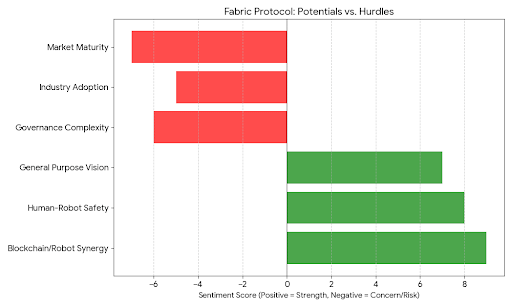
I also couldn’t help but think about liquidity. It’s one of those things that people often overlook in the early days, but it’s so crucial. What good is a blockchain if there’s no liquidity to support the projects being built on it? How is Fabric planning to incentivize liquidity providers? Will it even get enough traction in the broader DeFi space to make that liquidity a reality? I’ve seen projects flounder because they didn’t think about liquidity early enough, or they didn’t have the right incentives to bring people into the ecosystem. If Fabric doesn’t nail this, it could easily end up just another underused blockchain with no real activity.
And, of course, I can’t help but be a little cautious about Fabric’s focus on interoperability. They claim to be building solutions that allow different blockchains to work together seamlessly. But this is where things get tricky. Interoperability has been the holy grail for a while now, and while there have been a lot of projects promising it, few have delivered. Polkadot and Cosmos come to mind—they both touted cross-chain functionality, but it’s been slow going. I’m curious to see if Fabric has something genuinely new to offer in this area or if it’s just another “we’ll figure it out as we go” situation.
Then there’s governance. Fabric’s model involves staking ROBO tokens and letting the community vote on decisions about the protocol. On paper, that sounds pretty solid—it’s the kind of decentralized governance that we all love to see. But here’s the catch: just because a project claims to be decentralized doesn’t mean it’s truly decentralized in practice. How many times have we seen a handful of insiders hold most of the power in a supposedly “decentralized” project? I’ll be watching closely to see how Fabric handles this, because governance is a huge deal when it comes to long-term success. If they can build a truly engaged community that takes part in governance, then that’s a good sign. But if it turns out to be just a few whales making all the decisions, that’ll be a big red flag.
Ultimately, all of this comes down to adoption. That’s the hard truth I’ve learned from years in this space. You can have the best tech in the world, but if nobody’s using it, it doesn’t matter. So, I’m curious to see if Fabric can move beyond the developer stage and attract real, long-term users. And as for ROBO—well, the token is only as valuable as the ecosystem it supports. If the platform doesn’t take off, the token won’t either. That’s how it always goes.
So, where does that leave me? Honestly, I’m in wait-and-see mode. I’m not rushing to buy ROBO or betting on Fabric to become the next big thing. But I’m not dismissing it, either. I’ve seen too many promising projects come and go, but I’ve also seen a few break through and prove that they’ve got staying power. I’m just not ready to say which camp this one will fall into yet. I’ll be watching closely to see how things evolve and whether they can deliver on their promises when the real work starts. Until then, I’m staying cautious—but keeping an eye on it. Let’s see what happens.