
Die Straße von Hormuz ist eines der wichtigsten Wasserwege auf der Erde, fast 20 % der weltweiten Ölversorgung passieren jeden Tag hindurch. Das bedeutet, dass jede Störung hier sofort die globalen Märkte beeinflusst.
Stellen Sie sich nun ein Szenario vor, in dem Iran beschließt, ihn vollständig zu schließen – ein Schritt, der Schockwellen durch Öl, Krypto, Aktien und sogar alltägliche Preise auf der ganzen Welt senden würde.
🛢️ Ölpreise würden explodieren
Öl wäre der erste und dramatischste Markt, der reagieren würde. Da so viel Ölverkehr durch Hormuz mit wenigen Alternativen geht, würde eine Schließung einen massiven Angebots-Schock auslösen. Analysten sagen voraus:
🔥 Brent-Rohöl könnte schnell über 100–110 $ pro Barrel steigen – und möglicherweise sogar höher – bevor es sich aufgrund von Panik und realen Engpässen stabilisiert.
Höhere Ölpreise führen schnell zu höheren Kraftstoff- und Transportkosten weltweit, was wiederum den Inflationsdruck erhöht.
📉 Aktien: Risiko überall abgebaut
Wenn Ölpreise steigen und das geopolitische Risiko zunimmt:
📉 Globale Aktienmärkte fallen oft zuerst, insbesondere in Sektoren wie Fluggesellschaften, Reisen und Konsumgüter, die unter steigenden Kraftstoffkosten und langsamerem Wachstum leiden.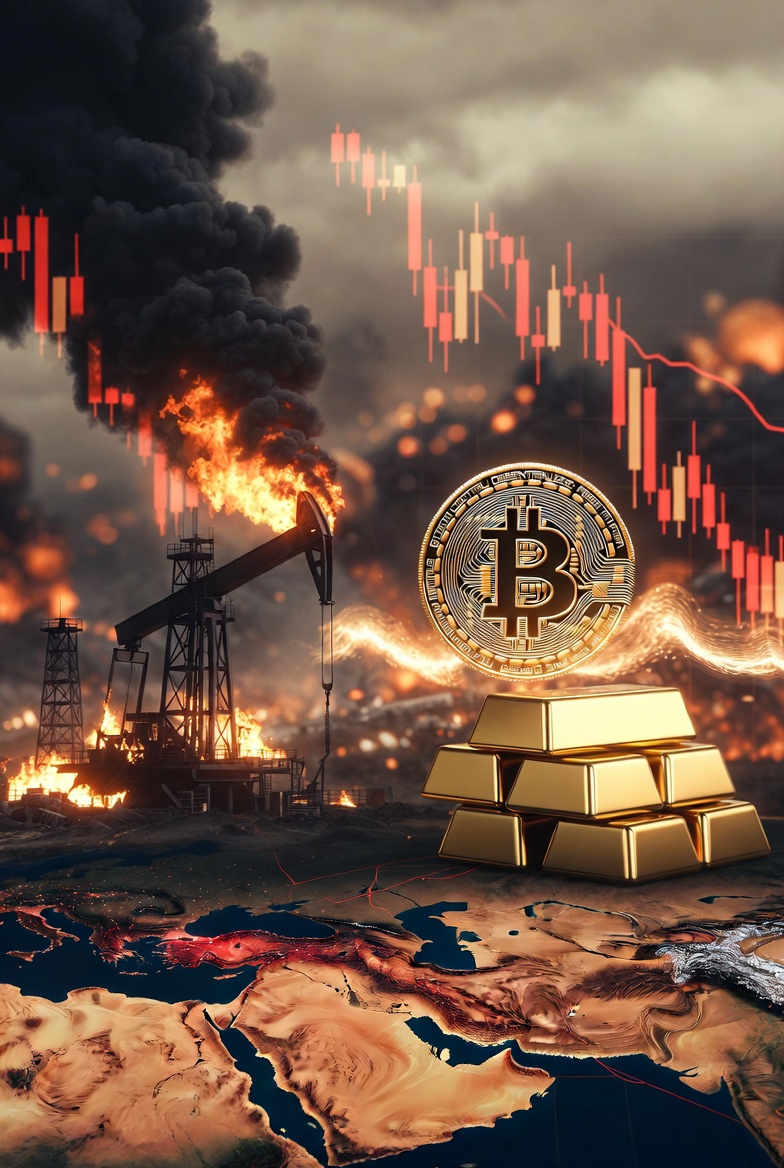
📈 Energie- und Verteidigungsaktien hingegen könnten steigen, da die Welt höhere Energiegewinne und erhöhte Militärausgaben einpreist.
Märkte hassen Unsicherheit, und eine blockierte Hormuz würde die Risikoaversion an den großen Börsen dramatisch erhöhen.
🪙 Krypto-Reaktion: Volatilität und Rückgänge
Kryptomärkte sind sehr empfindlich gegenüber globalem Risikosentiment – was bedeutet, dass in einer Krise:
🚫 Bitcoin und große Altcoins können stark fallen, während Händler Geld in sicherere Anlagen wie Gold oder den US-Dollar umschichten.
⚡ Krypto-Liquidationen können ansteigen, wenn gehebelte Positionen während plötzlicher Preisschwankungen getroffen werden.
Einige Investoren sehen Bitcoin jedoch als Absicherung – daher können nach dem anfänglichen Verkaufsdruck die Zuflüsse in Krypto zurückkehren, während Händler nach Alternativen zur traditionellen Finanzwirtschaft suchen.
🛡️ Sichere Häfen steigen
Mit steigender Öl- und Aktienvolatilität:
✨ Gold und Edelmetalle steigen typischerweise, wenn Investoren zu klassischen "Krisenvermögen" strömen.
💵 Die Stärke des US-Dollars nimmt oft zu, was risikobehaftete Vermögenswerte wie Krypto und Aktien aus Schwellenländern unter Druck setzt.
Diese Verschiebungen in den Geldströmen zeigen, wie miteinander verbundene moderne Märkte sind – ein Schock im Öl wirkt sich auf alles aus, von Währungen bis hin zu Krypto.
🌐 Warum es wichtig ist
Die Schließung der Straße von Hormuz wäre eine der schwerwiegendsten Energieunterbrechungen seit Jahrzehnten, weil:
Es gibt keinen einfachen alternativen Weg für so viel Angebot.
Die Märkte würden eine Risikoprämie einpreisen, bevor es zu einem echten Engpass kommt.
Schockwellen würden Öl, Aktien, Krypto und Inflationserwartungen treffen.
\u003ct-72/\u003e\u003ct-73/\u003e\u003ct-74/\u003e