
$MIRA Artificial intelligence systems are becoming really important for making decisions in areas like finance, healthcare, research and governance. However there is still a problem: reliability. Even the advanced models can give confident but incorrect answers, which are often called hallucinations. As artificial intelligence systems get more complex and influential it is essential that their answers are verifiable and trustworthy.
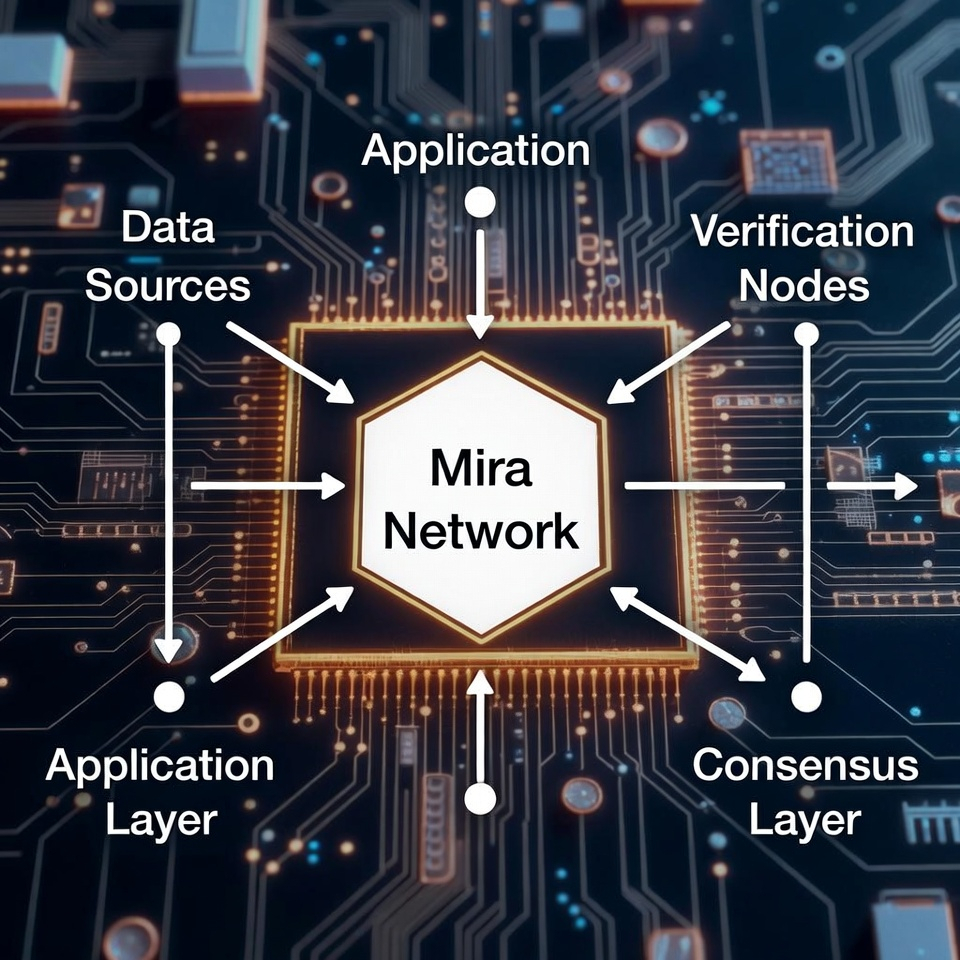
One way to solve this problem is to use independent artificial intelligence models to validate claims. Mira Network is a protocol that is designed to address this challenge by changing the way artificial intelligence answers are validated and trusted.
---
The Problem: Centralized Artificial Intelligence Validation
artificial intelligence systems rely on a single model or a group of closely connected models to generate and validate answers. While there are methods that use models they are usually controlled by the same organization or framework. This creates problems like:
* Shared training biases
* Similar data limitations
* Uniform failure patterns
* Centralized control over evaluation
If one model makes a mistake, similar models that were trained on data may make the same mistake. This creates a point of failure.
---
Distributed Claim Decomposition: A Big Change
Using independent models to validate claims changes the way we think about reliability. Of treating an artificial intelligence answer as a single answer the system breaks it down into smaller verifiable claims. Each claim can then be assessed by models that use different architectures training data or validation logic.
This approach makes the system more reliable in ways:
1. Independence Reduces Correlated Error
When validation models are developed independently and have incentives the chance of them making the same mistake decreases. Using architectures and training methods makes the system more robust.
2. Claim-Level Granularity
of accepting or rejecting an entire answer the system evaluates each claim separately. This isolates errors without throwing away information.
3. Consensus-Based Validation
The system becomes more reliable when independent validators agree on an answer. Distributed consensus makes validation a transparent process that involves parties.
4. Economic Incentives for Accuracy
Decentralized systems can use token-based incentives to encourage validators to be accurate. This creates a layer of accountability that is missing in artificial intelligence systems.
---
How Mira Network Implements Distributed Verification
Mira Network uses a combination of artificial intelligence claim decomposition and decentralized consensus to make the system work. Of relying on a central authority the protocol distributes verification tasks across independent participants.
The process typically involves:
1. Output Decomposition – Artificial intelligence answers are broken down into claims.
2. Distributed Evaluation – Independent models assess each claim.
3. Consensus Formation – Results are combined through consensus.
4. On-Chain Integrity – Verification outcomes are recorded transparently.
By separating the generation of answers from validation Mira Network introduces a safeguard: no single model determines the truth.
---
Reliability Through Redundancy and Diversity
In engineering reliability increases when there are systems in place. In systems fault tolerance comes from diversity and independence. Applying these principles to intelligence verification creates a more resilient trust layer.
Of asking, "Can this model be trusted?" distributed claim validation asks: "Do independent systems agree on the same verified answer?”
When multiple autonomous validators agree, confidence increases not because one model is powerful but because the system is resistant to failure.
-#--
Broader Implications
As artificial intelligence systems start to influence markets, policy and autonomous operations the cost of incorrect answers grows rapidly. Distributed verification protocols represent a shift from trusting individual models to trusting the system as a whole.
By breaking down answers into claims and distributing validation across independent actors reliability becomes measurable, auditable and economically reinforced.
In this paradigm trust is not assumed – it is constructed through decentralized consensus.
---
Using independent artificial intelligence models to validate claims significantly strengthens the reliability of answers by reducing correlated errors enabling granular validation and introducing consensus-based verification.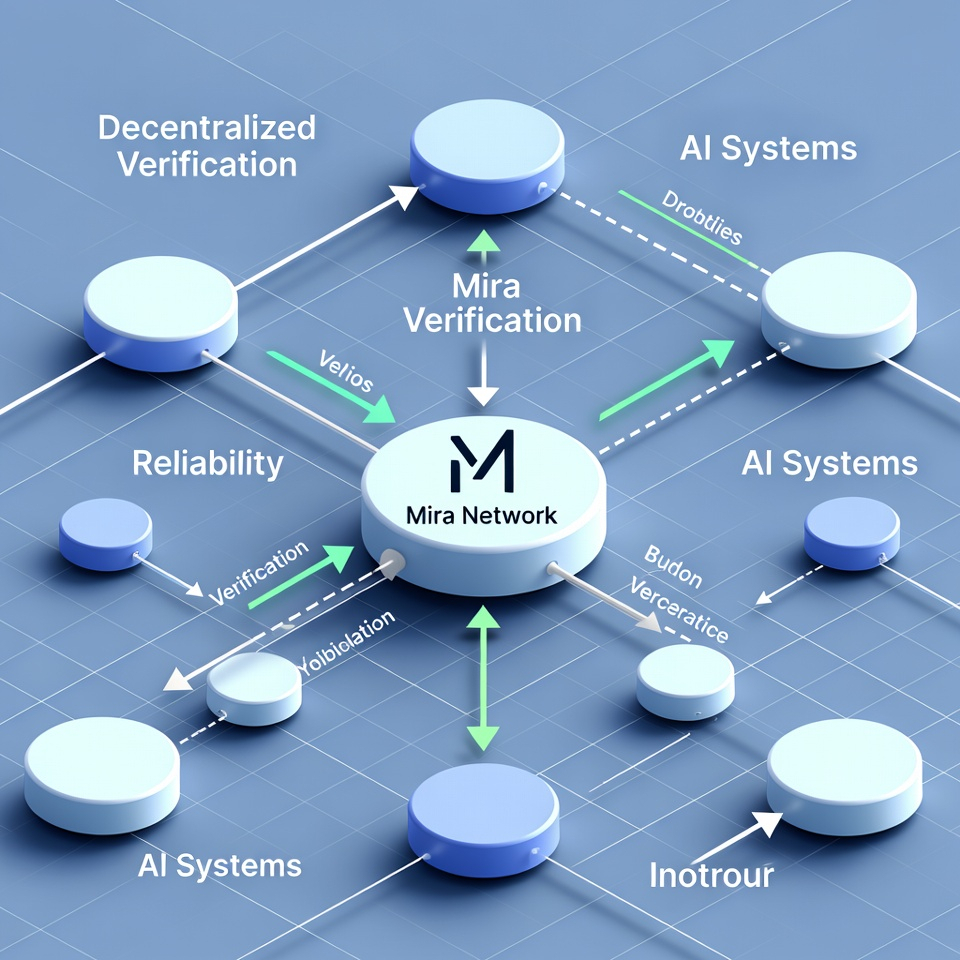
Mira Network is an example of this shift towards decentralized artificial intelligence integrity. By transforming verification into a distributed incentive-aligned process it offers a framework, for building artificial intelligence is systems that are not only intelligent but also trustworthy.
#MİRA @Mira - Trust Layer of AI
