
There is a common pattern in crypto where infrastructure projects raise funds and later reveal that the token only has a governance role. @mira_network is trying to break that pattern by giving Mira A real utility inside the ecosystem.
Here are some key points that make $MIRA different:
Controlled Supply
At the Token Generation Event in September 2025, only about 191 million tokens were in circulation which is 19 percent of the total one billion supply.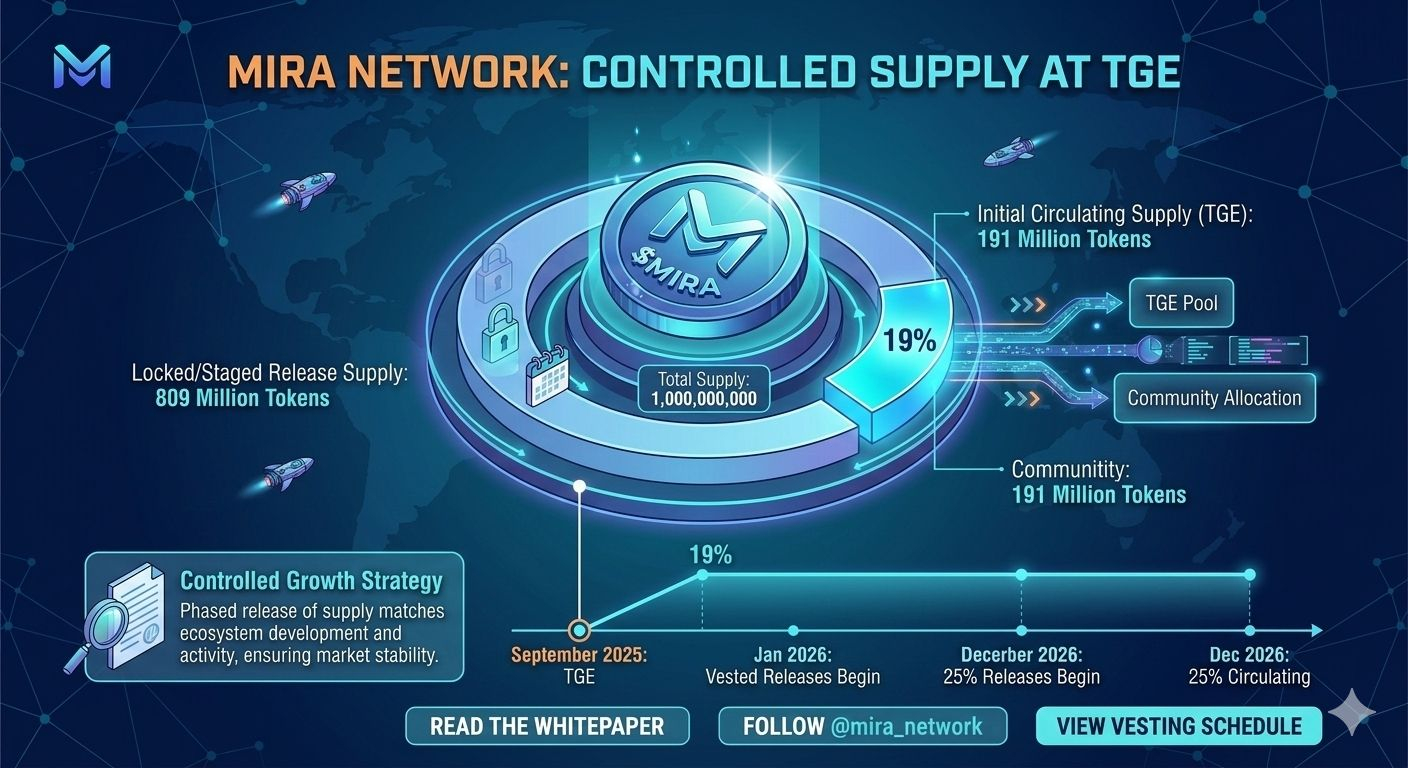
MIRA Long Term Commitment
Team members must wait 12 months before tokens unlock and then follow a long release schedule. This keeps the team focused on long term growth.Investor Lockups
Early investors hold about 14 percent of the supply and also have a waiting period before they can sell their tokens.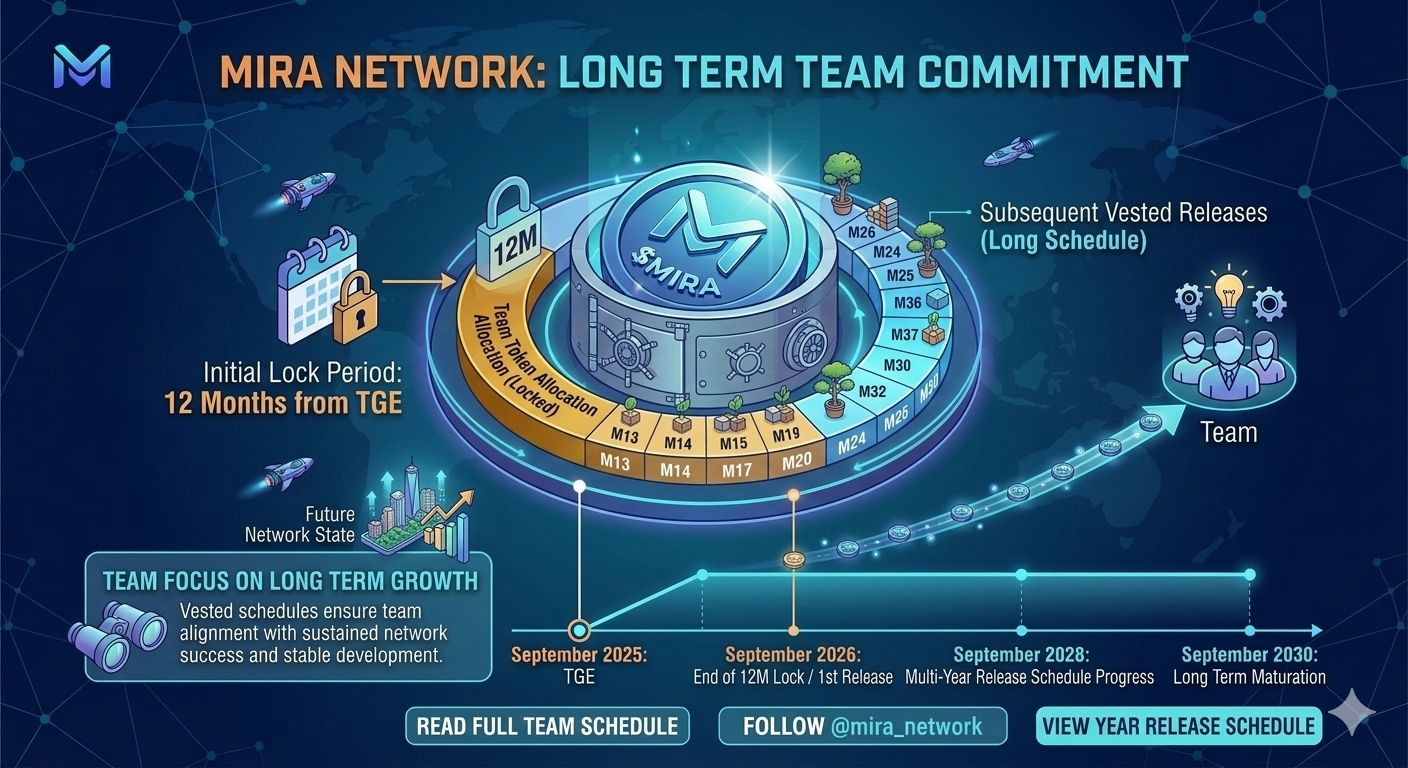
Foundation Allocation
The foundation holds around 15 percent of the tokens and these are also released slowly over time.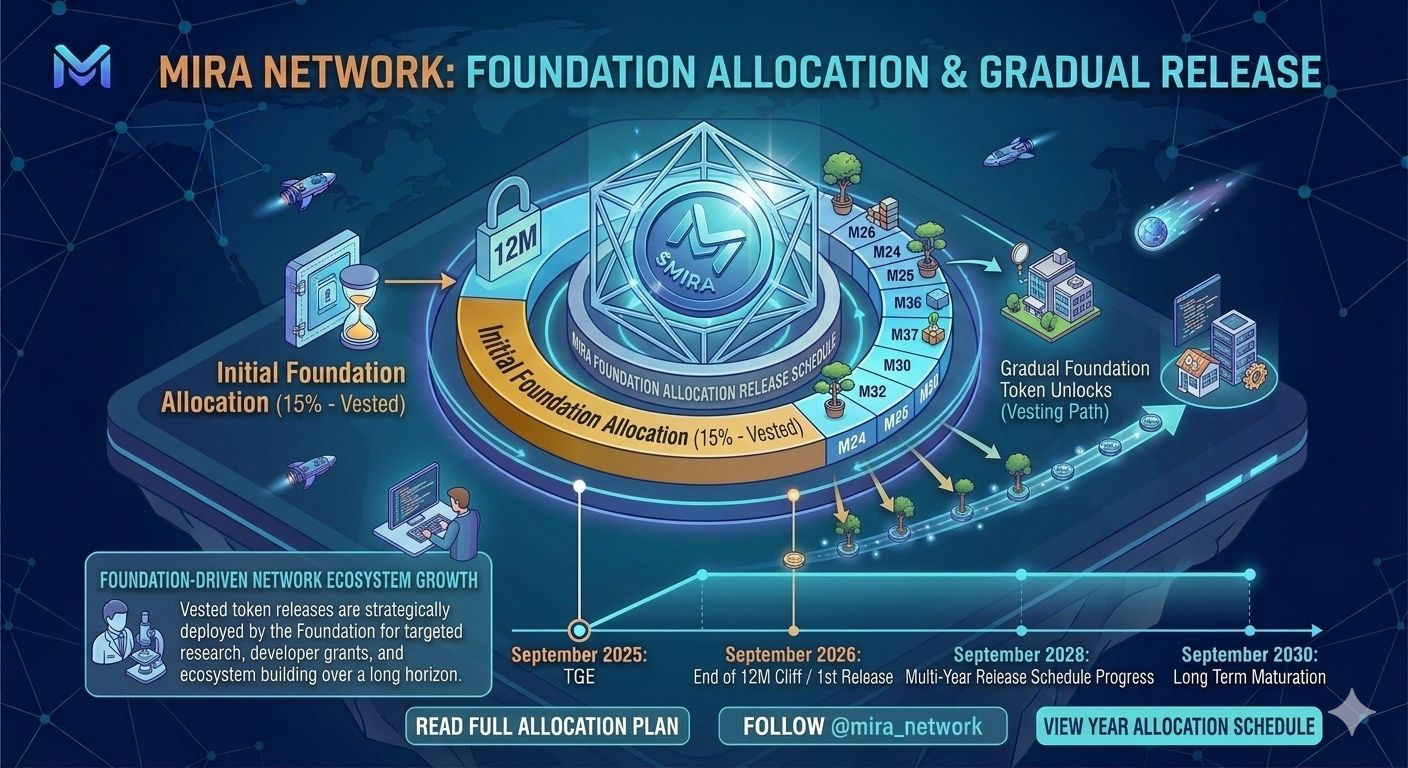
Staking Requirement
Node operators must stake $MIRA to participate in the Dynamic Validator Network and help verify network activity.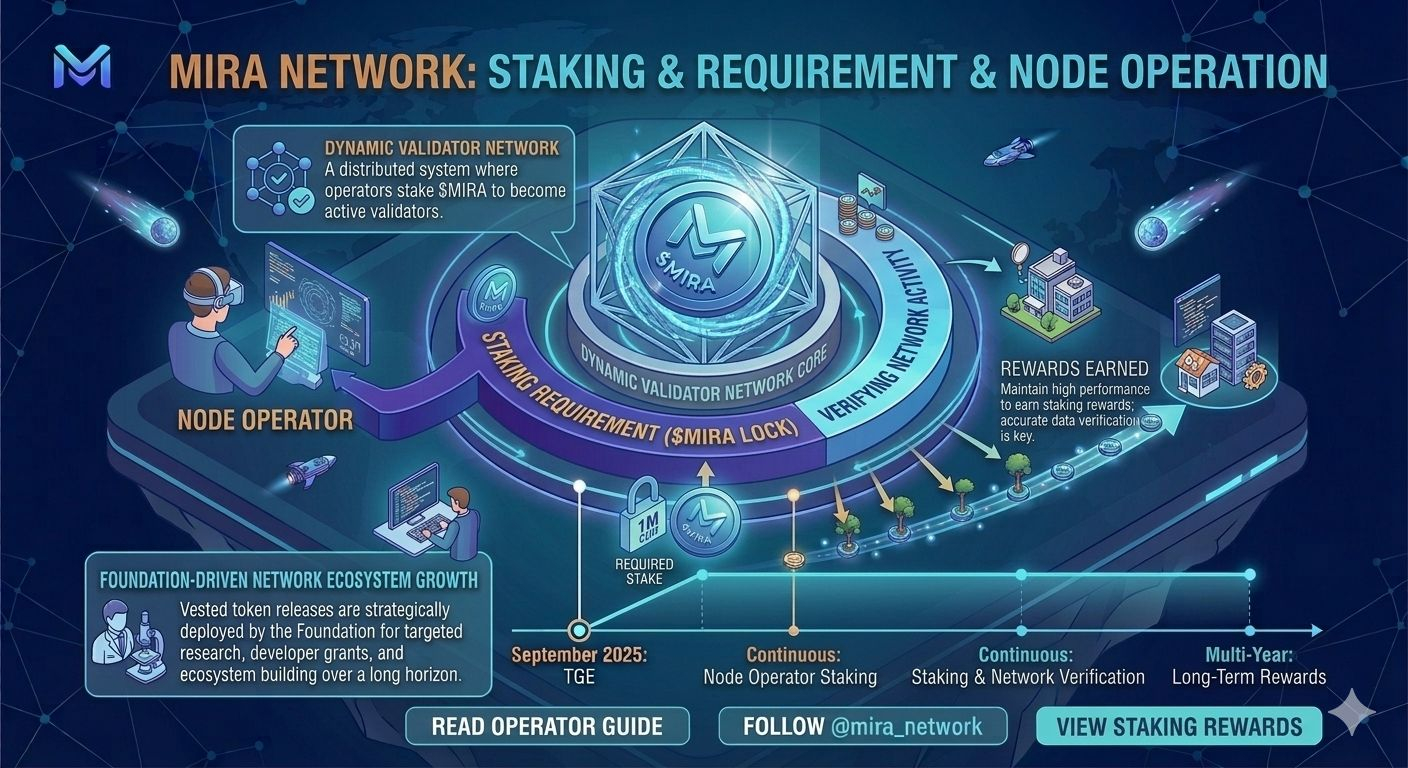
Real Network Usage
Developers and enterprises use $$MIRA o pay for verification services on the network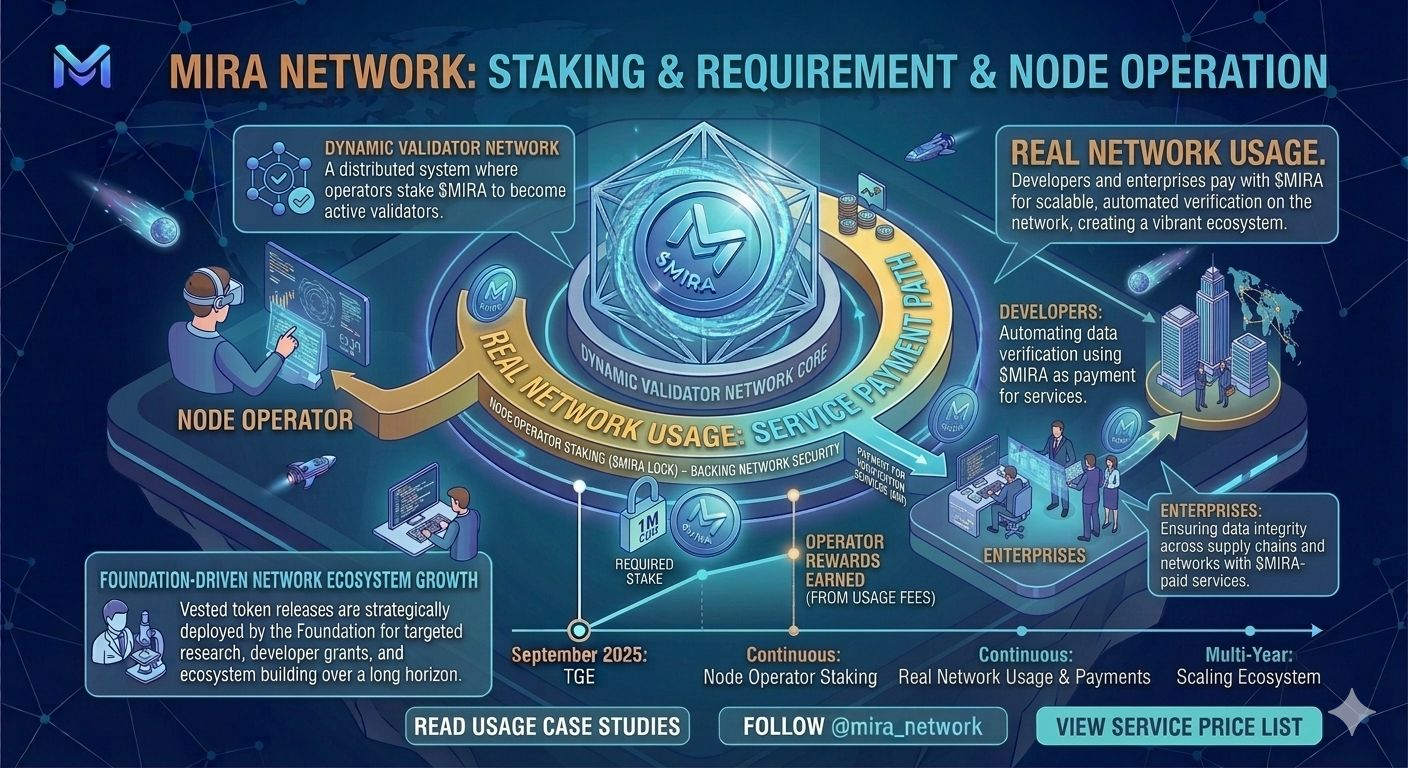
Decentralized Validator Base
Node sales helped distribute operator rights to early supporters creating a decentralized network structure.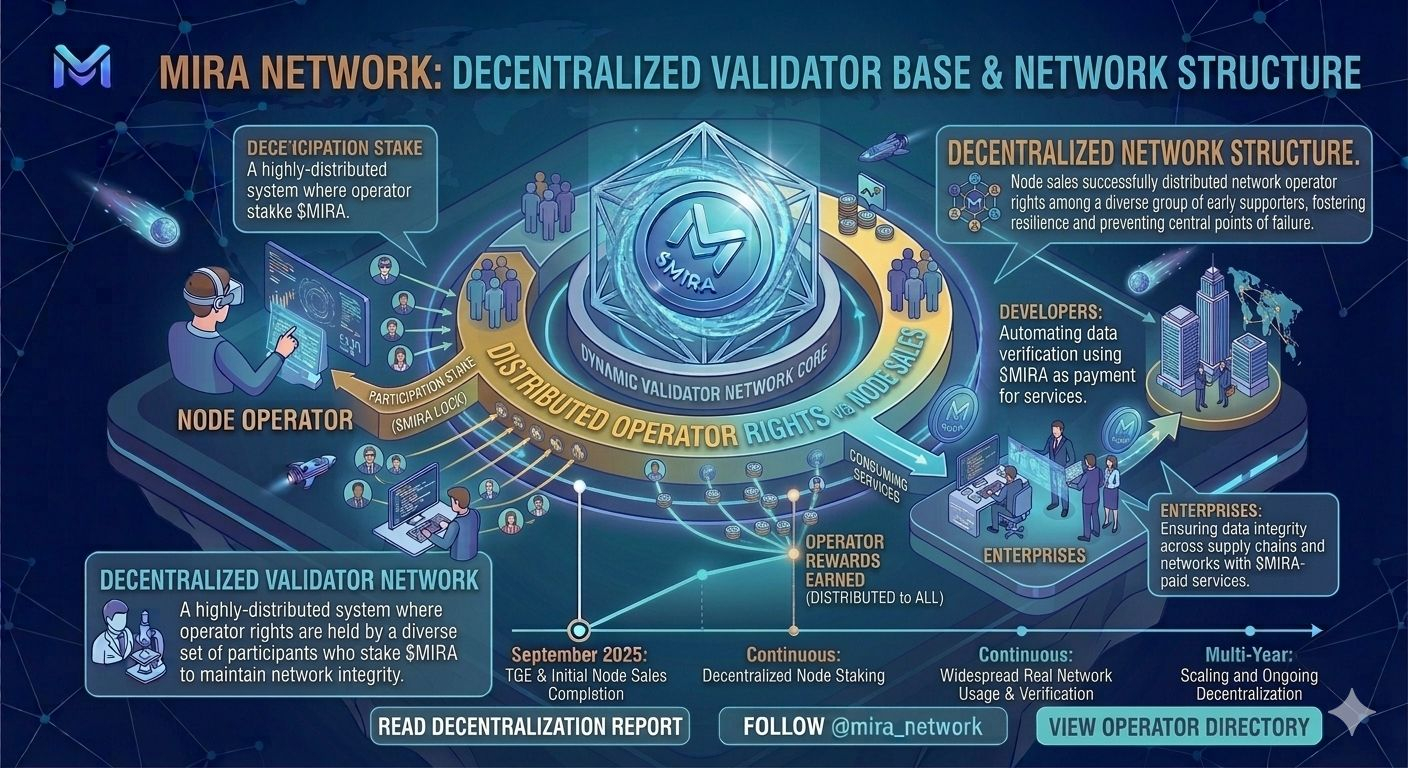
These factors show that Mira not only a token but a core part of how the ecosystem works. As the network grows the role of Mira ide @mira_network could become even more important.
#Mira @Mira - Trust Layer of AI
