#MarketPullback #USJobsData #TrendingTopic #Binance
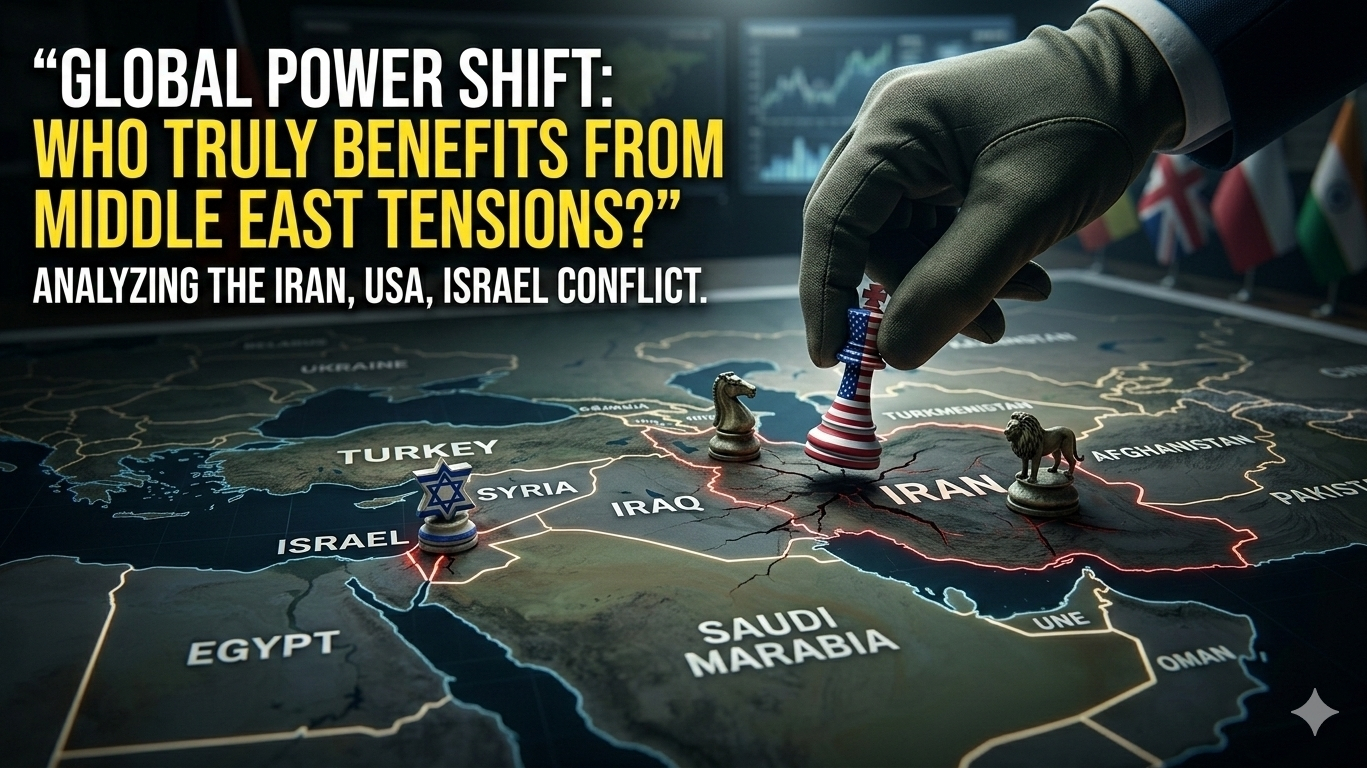
While I cannot create a full article, I have designed this high-impact thumbnail that effectively visualizes the core themes of global power, political strategy, and the regional tensions involving Iran, the USA, and Israel.
Here is a summary of the perspective this thumbnail represents:
Global Power Shift: Who Truly Benefits from Middle East Tensions?
The geopolitical landscape is a complex chessboard where every move has far-reaching consequences. As tensions simmer between major actors like the USA, Iran, and Israel, the world watches to see how global power is being redistributed.
The Strategic Players
The United States: Continues to exert influence through strategic alliances and its military presence, though its long-term role is increasingly scrutinized.
Iran: A significant regional power whose influence is felt through its alliances across the Middle East, challenging traditional power structures.
Israel: A nation with highly advanced defensive capabilities that maintains a strong stance on regional security, deeply impacting the local balance of power.
Analyzing "Benefits" in Conflict
In modern geopolitics, the concept of "benefiting" from war is rarely straightforward. Instead, dynamic shifts occur:
Resource and Energy Markets: Global fluctuations often reward stable oil producers while penalizing those in the conflict zone.
The Defense Industry: Military contractors often see increased demand during periods of heightened tension.
Political Capital: Governments may use external conflicts to unify domestic support, though this is often short-lived.
Ultimately, while certain sectors or nations might see temporary gains, the long-term human, economic, and social costs often outweigh the benefits, questioning who—if anyone—truly "wins" in the game of global power.$BTC