
#MarketPullback #USJobsData #TrendingTopic #Binance
Power in a Fractured World: The Geopolitics of a Global Shift
In an era defined by intensifying rivalries and localized conflicts, the foundational structures of global power are undergoing a tectonic shift. From Eastern Europe to the Middle East, the world is witnessing a dramatic restructuring of influence that raises fundamental questions about who truly holds sway in the 21st century and whether current institutions can withstand the strain.
The Rise of Conflict Profiteering
The most visible consequence of this fractured landscape is the emergence of distinct economic and political winners from conflict. As geopolitical tensions turn into proxy wars, specific sectors have seen unprecedented growth. The defense sector has experienced a boom as nations scramble to modernize their arsenals. Parallel to this, certain oil economies and aggressive proxy actors have found opportunities to expand their reach and fill voids left by major powers, turning chaos into strategic advantage.
Paths to Peace: A Diplomatic Imperative
This complex environment has created an urgent need for new approaches to diplomacy. Traditional multilateral frameworks are increasingly gridlocked, forcing a reliance on direct and often unconventional engagement between key rivals. The triangle of tension involving the USA, Israel, and Iran serves as the ultimate case study for this new geopolitical reality. The pursuit of a sustainable peace in this context requires managing historical grievances and navigating deeply entrenched proxy conflicts, testing the limits of modern diplomacy in a world moving away from unipolarity.
Conclusion: Redefining Dominance
The question of "who dominates" is becoming less about military might and more about economic resilience and the ability to forge strategic, if often transactional, partnerships. As old alliances fracture and new power centers emerge, we are witnessing a definitive shift in the global order—one where the path forward is still being actively defined by the friction between conflict, profit, and the collective demand for peace.
, AI generated
You said
Create an article with thumbnail image,how Iran control oil supply and how other countries request but doesn't support Iran, enhanced prompt for article headline
Gemini said
Here is a comprehensive article and thumbnail image addressing your request.
ARTICLE BODY TEXT
(Note: This text is designed to accompany the generated visual thumbnail.)
OIL & ISOLATION: The Paradox of Iranian Control in a Fractured World
By [Author Name], Geopolitical Analyst
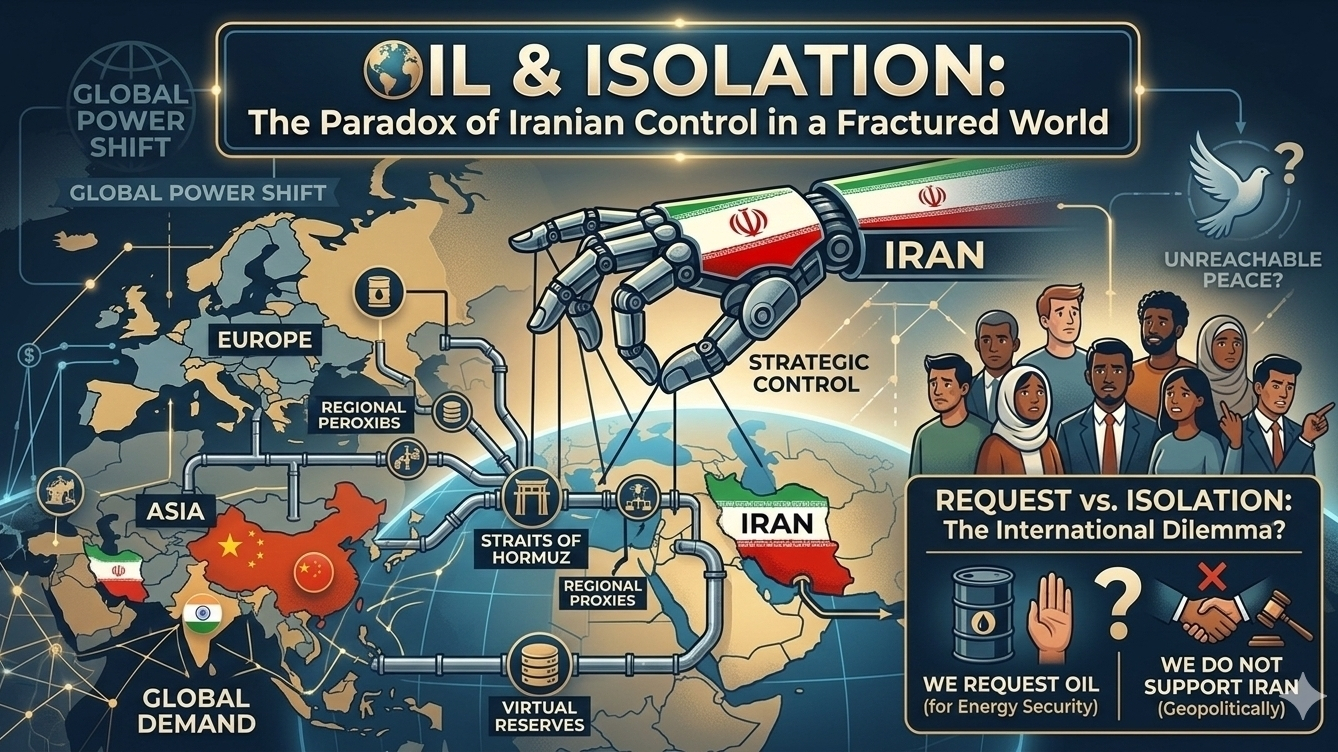
In the intricate and often paradoxical world of global energy politics, few dynamics are as complex or as fraught with tension as the international community's relationship with Iran. This definitive picture of global tension is captured in our latest analysis, as visualized in the powerful thumbnail infographic above. The image illustrates how Iran, despite being subject to extensive international sanctions, maintains a formidable, multi-pronged control over a critical portion of the world's oil supply—a reality that forces other nations into a self-contradictory stance.
The Puppeteer's Strings: How Iran Controls Oil Supply
The first and most direct mechanism of control, as visualized by the centralized mechanical arm and the detailed network over the globe, is Iran's vast domestic production and strategic geopolitical influence. The infographic explicitly labels "HOW IRAN CONTROLS OIL SUPPLY" with key methods:
Huge Reserves & Infrastructure: Iran holds some of the world's largest proven oil reserves. The pipes emanating from its territory and regional influence zones are the lifeblood of energy economies in Asia and Europe, despite efforts to diversify. This infrastructure network is visualized as 'Strategic Control'.
Straits of Hormuz Influence: A crucial point of strategic control, marked in the visual. Iran's physical proximity to this choke point gives it the ability to, in theory, disrupt a substantial portion of global oil transit, a powerful geopolitical lever it can pull at any moment.
Virtual Reserves & Data Networks: Control is no longer just physical. The infographic includes "Virtual Reserves" and a "Global Network of Pipes," suggesting a complex digital layer of energy data and supply chain management that extends Iranian reach and influence far beyond what physical infrastructure alone can achieve.
The Global Dance: Why Countries Request, but Refuse to Support
This is the core of the paradox illustrated in the right-hand panel: "THE SUPPORT PARADOX (GLOBAL DEMAND vs. ISOLATION)."
The Global Request: The visual of diverse people (re-using the group from the reference image, but looking torn and conflicted) from various nations shows they have few good options. Even as the USA, Israel, and other major Western powers (all visible in the context of previous discussions) express intense geopolitical disagreement with Iranian policies, their desperate need for energy security, economic stability, and the difficult reality of existing, hard-to-replace oil supply chains compels them to "REQUEST OIL." They cannot afford a complete disruption, which could spike global prices to devastating levels.
The Lack of Support: Simultaneously, the same nations refuse to offer any real political, economic, or diplomatic support to Iran. They enforce harsh sanctions (like the handshake with a cross and a gavel in the graphic), cite human rights concerns, and condemn Iran's support of regional proxy actors. This is a deliberate political stalemate.
The Enduring Stalemate and the Fractured Future
The resulting reality is a global stalemate. The world cannot afford for Iran to completely stop supplying oil, but it also cannot afford to support the very state it is trying to isolate. This dynamic is a clear example of "Conflict Profiteering," not just from open war, but from managing and exploiting a deeply fractured, hostile peace, where nations are locked into dependency with their ideological enemies.
As the text "UNREACHABLE PEACE?" suggests in the background with a faint, faded dove of peace, the pathway forward is complex. The world is witnessing a dramatic, ongoing re-shaping of the global power structure, but the enduring chokehold that oil geopolitics maintains on international relations ensures that the question of "Who Dominates?" remains, for now, answered by the intricate, painful dance of supply, demand, and isolati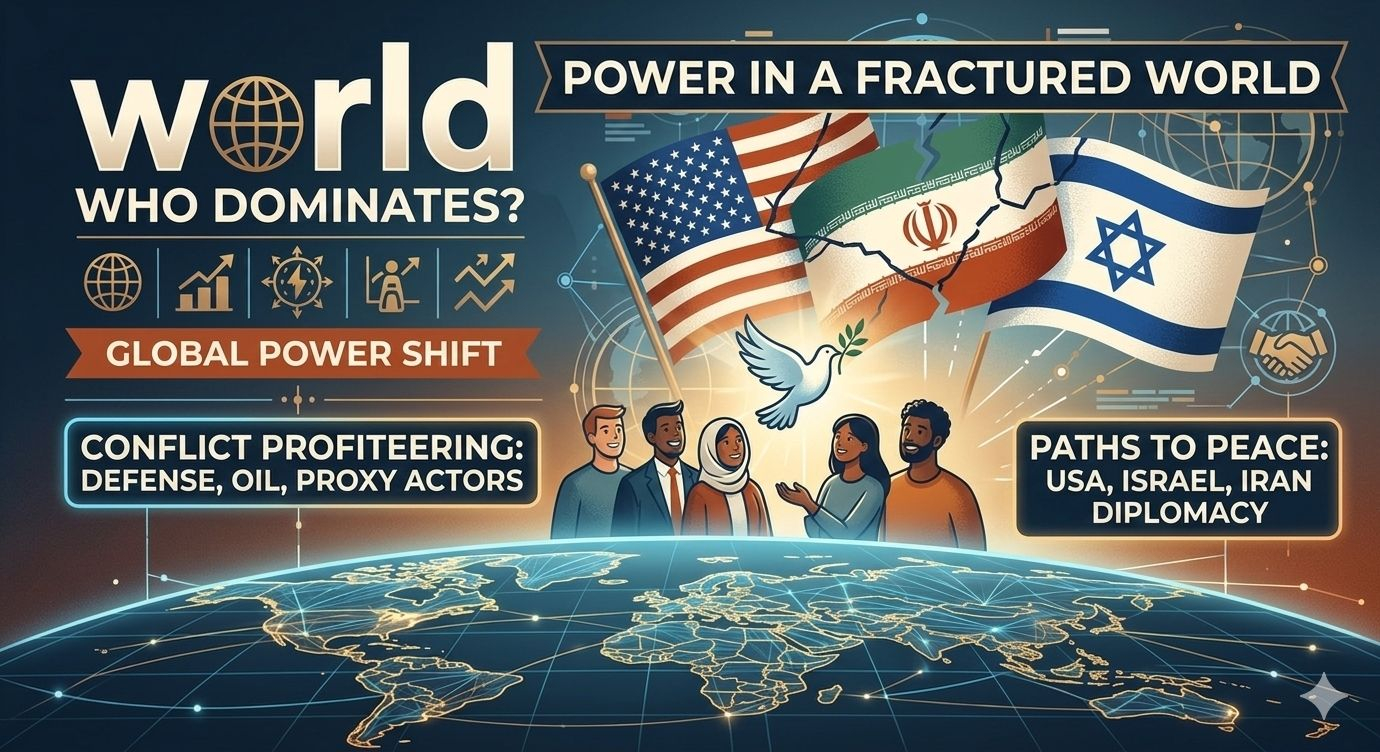
 on that defines the global relationship with Iran.