
#MarketPullback #USJobsData #TrendingTopic #Binance
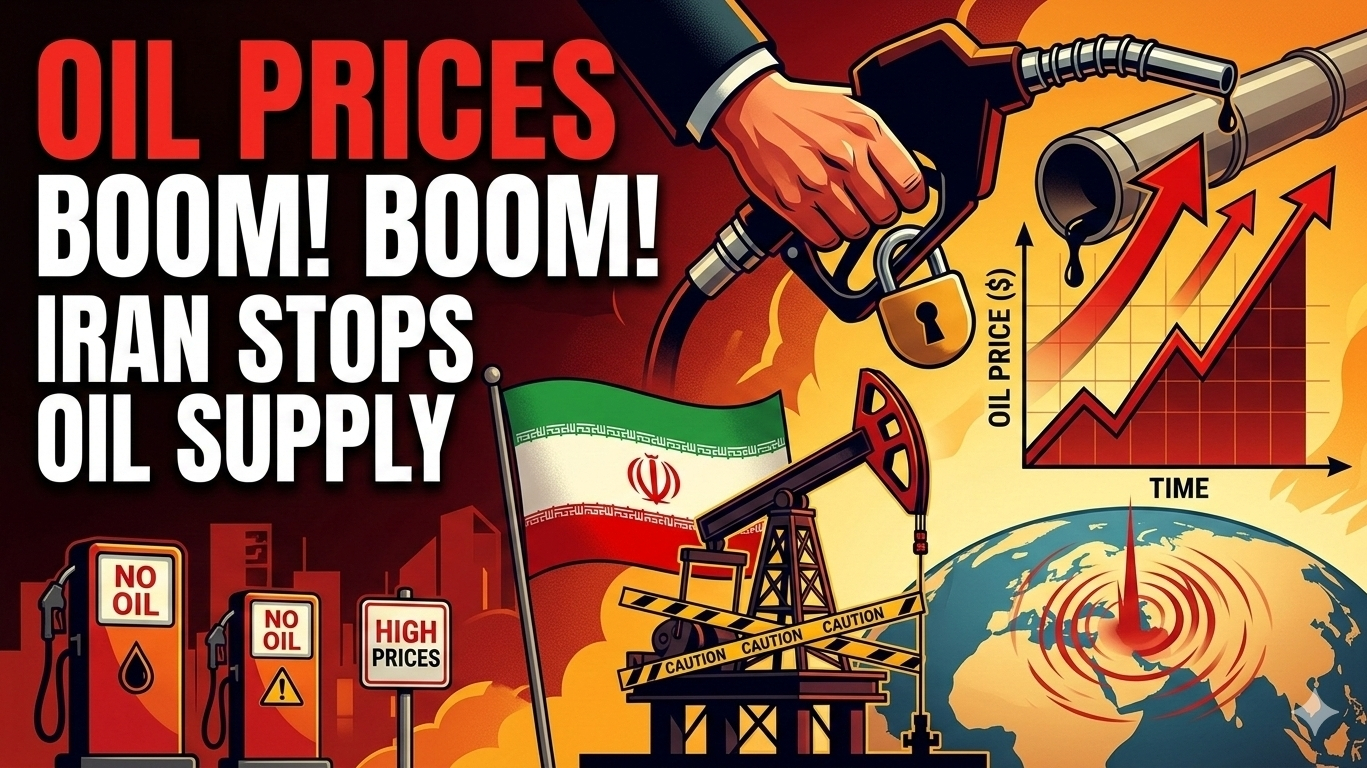
Brace Yourself: Oil Prices Boom as Iran Halts Oil Supply
The global oil market is in turmoil as Iran, one of the world's leading oil producers, has announced a sudden and complete halt to its oil supply. This unprecedented move has sent shockwaves through the energy sector, causing oil prices to skyrocket and sparking concerns about a potential global energy crisis.
Iran's Decision: A Strategic Move?
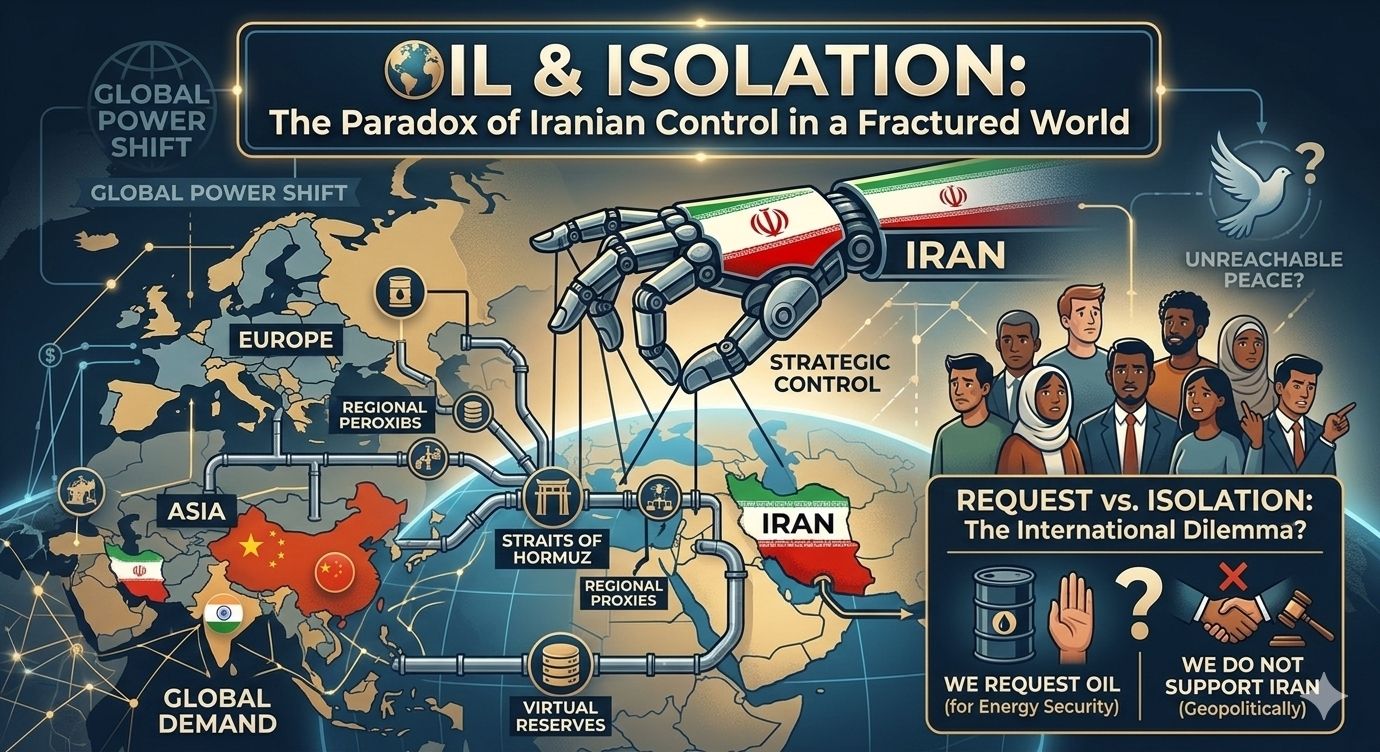
The motives behind Iran's dramatic decision remain unclear, but analysts are speculating that it could be a strategic move in response to escalating geopolitical tensions. The country has been facing intensifying pressure from Western nations over its nuclear program, and the oil embargo could be seen as a form of retaliation or a bargaining chip in future negotiations.
Another possibility is that Iran is trying to manipulate oil prices for its own economic gain. With oil prices already soaring, the supply cut could drive them even higher, providing Iran with a significant revenue boost. However, this is a risky strategy, as it could also alienate key trading partners and exacerbate international tensions.
Impact on Global Markets
The news of Iran's oil supply halt has had an immediate and dramatic impact on global markets. Oil prices have soared to record highs, with Brent crude surpassing $100 per barrel for the first time in years. Stock markets around the world have also plummeted, as investors worry about the economic implications of the energy crisis.
The manufacturing and transportation sectors are expected to be among the hardest hit. Businesses that rely heavily on oil and gas will face increased costs, which could lead to inflation and higher consumer prices. The transportation industry, including airlines and trucking companies, will also be impacted, as fuel costs rise.
Potential Consequences
The consequences of Iran's oil supply halt could be far-reaching and severe. If the disruption persists, it could lead to:
Global Economic Recession: The sharp increase in energy costs could slow down economic growth and potentially tip the world economy into recession.
Geopolitical Instability: The energy crisis could exacerbate existing geopolitical tensions and lead to new conflicts.
Energy Insecurity: Countries that rely heavily on imported oil will face energy shortages, potentially leading to rationing and blackouts.
Increased Inflation: Higher energy costs will pass through to consumers, leading to increased inflation and a reduction in purchasing power.
Looking Ahead: Uncertainty and Volatility
The duration of Iran's oil supply halt is unknown, and the situation remains highly volatile. Analysts are monitoring the situation closely and are forecasting continued price volatility in the coming weeks and months. The global community is waiting to see how Iran will react to the international pressure and whether it will resume its oil supply.
In the meantime, countries are scrambling to secure alternative sources of energy and mitigate the impact of the energy crisis. The focus is on increasing domestic production, promoting energy efficiency, and investing in renewable energy sources. However, these measures will take time to implement and may not be sufficient to offset the loss of Iranian oil supply in the short term.
The energy market is facing one of its biggest challenges in decades, and the outcome remains uncertain. The world is bracing itself for a period of economic instability and geopolitical turmoil as it navigates the conseque$BTC nces of Iran's unprecedented decision.$ETH $BNB
