
#MarketPullback #USJobsData #TrendingTopic #Binance
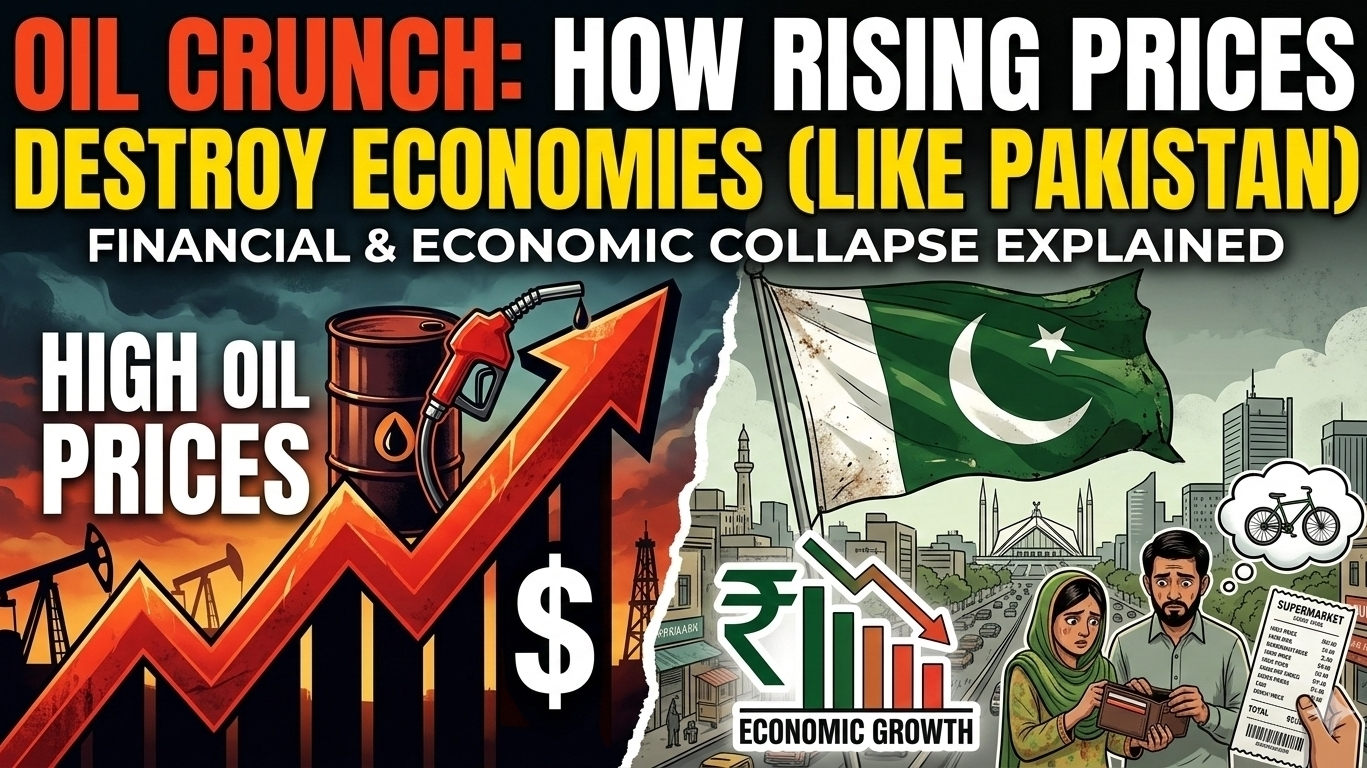
Oil is often called the lifeblood of the modern industrial economy. It powers transportation, generates electricity, and serves as a vital raw material for countless industries, from plastics to fertilizers. Because of this centrality, sudden and dramatic shifts in the cost of oil don't just affect gas station prices; they ripple through an entire economy, causing profound financial and economic devastation, particularly for developing nations that are heavy net energy importers, such as Pakistan is currently experiencing.
+1
To understand why, we must examine the mechanisms by which high oil prices destabilize a nation's financial system and its broader economic health.
1. Financial Destruction: The Import Bill and Currency Collapse
The first and most immediate point of impact is a country's financial stability, specifically its balance of payments. When a country imports more goods and services than it exports, it has a trade deficit. Net oil importers must purchase fuel using foreign exchange reserves, usually US Dollars.
The Mechanism:
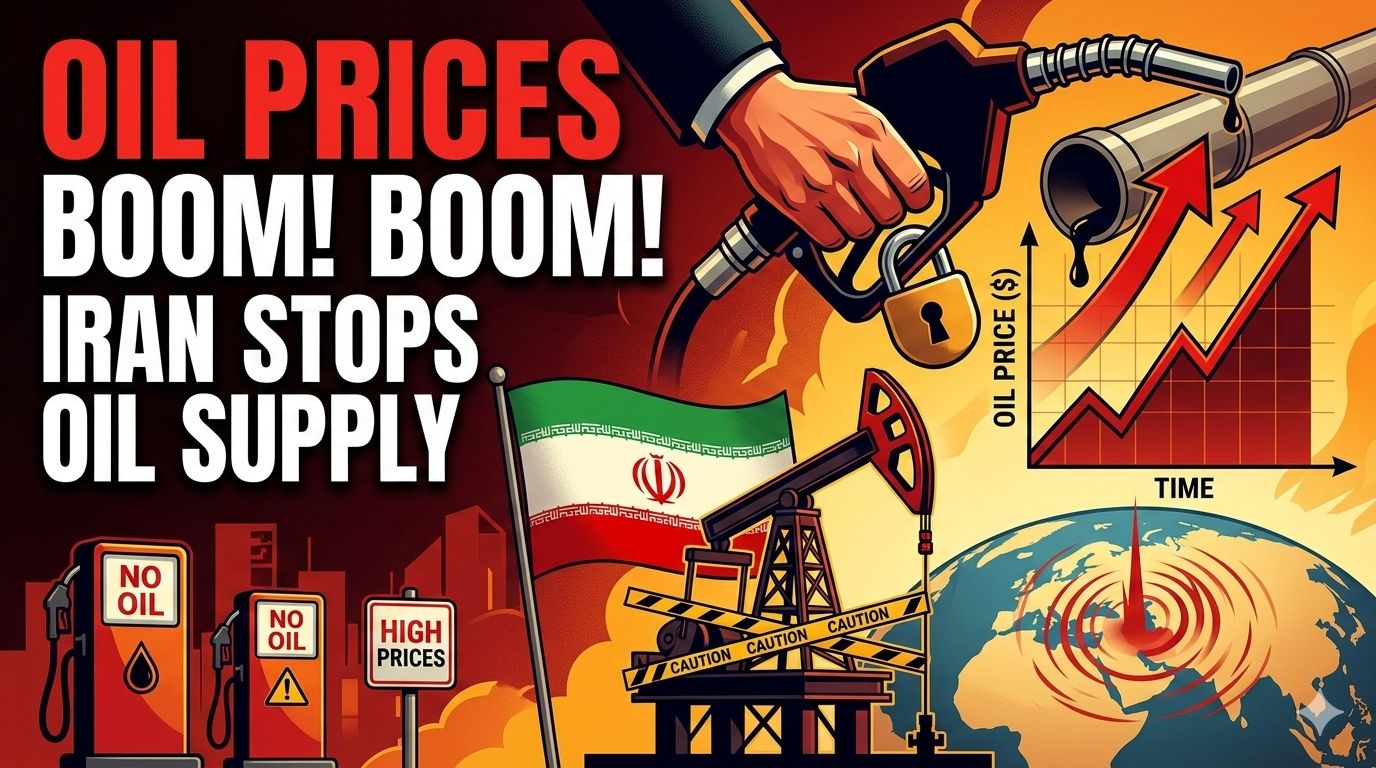
When global oil prices boom, the cost of importing the same volume of fuel skyrockets. A country that was spending $1 billion a month on energy might suddenly find itself needing $2 billion or $3 billion for the exact same amount of oil. This creates an immediate and severe drain on foreign exchange reserves.
As reserves dwindle, international confidence in the country’s ability to pay its debts diminishes. This leads to speculative pressure on the national currency. Investors pull out, and businesses scramble for dollars, causing the local currency (e.g., the Pakistani Rupee) to crash against the US Dollar. A weaker currency, in turn, makes all imports—not just oil—more expensive, worsening the crisis in a vicious cycle.
2. Economic Destruction: Inflation and Supply Chain Paralysis
Once the high cost of oil filters into the domestic economy, the second phase of destruction begins, impacting businesses and everyday citizens. This happens through two main channels:
A. Cost-Push Inflation:
Oil is a fundamental cost in almost every supply chain. When diesel and petrol prices rise:
Transportation Costs Explode: Delivering raw materials to factories and finished goods to markets becomes much more expensive.
Manufacturing and Agriculture Suffer: Industries rely on oil and electricity (often generated from oil/gas) to operate machinery. Farmers need diesel for tractors and tube wells, and fertilizers (made using natural gas/oil derivatives) increase in price.
The Price Ripple: These increased costs are passed on to consumers. Food, clothing, construction materials, and medicine all become more expensive, leading to widespread inflation.
B. Reduced Consumer Spending and Slowdown:
As the general price level rises (inflation) while wages stagnate, the purchasing power of citizens evaporates. People have less money left after buying essentials like fuel and food. This reduction in disposable income means people buy fewer discretionary goods, hitting the retail, services, and manufacturing sectors hard. Businesses, facing higher costs and lower demand, may cut production, freeze hiring, or lay off workers, slowing down overall economic growth (GDP).
The Case of Pakistan: A Perfect Storm
Pakistan’s current economic situation vividly illustrates these devastating effects. The country is heavily reliant on imported fossil fuels (oil and LNG) for energy. When global oil prices surged recently, Pakistan’s import bill ballooned dramatically, putting immense strain on its limited foreign exchange reserves and contributing directly to the recent devaluation of the Pakistani Rupee.
+1
The Pakistan-Specific Factors:
Circular Debt: Pakistan already faces a severe circular debt crisis in its energy sector (where power companies cannot pay fuel suppliers, who then cannot import more fuel). Rising oil prices exacerbate this debt, leading to fuel shortages and power outages (load shedding), crippling industrial production.
Existing Inflationary Pressures: Pakistan was already battling high inflation. The oil price shock acted as an accelerant, driving the cost of living to historic highs, particularly for food and transport, severely impacting vulnerable segments of society.
Fiscal Strain: The government often attempts to subsidize fuel prices to protect citizens, but this drains the national exchequer, increasing the budget deficit and often violating agreements with international lenders like the IMF, which can halt vital financial aid.
Conclusion
A boom in oil prices is not merely an inconvenience; it is an existential threat to the economic and financial stability of developing importing nations like Pakistan. It drains financial reserves, destroys currency value, fuels crippling inflation, and paralyzes industrial activity. The current situation in Pakistan underscores the urgent need for structural reforms, including a transition toward domestic renewable energy sources and increased energy efficiency, to decouple the nation's economic fate from the volatile fluctuations of the global oil market. Until then, the oil crunch will remain a potent destroyer of financial and economic well-being.$XAG
