#MarketPullback #TrendingTopic #TRUMP #iran
Title: Beyond the Pump: The Geopolitics of Oil Reserves and Global Economic Control
Published: March 8, 2026
Estimated Reading Time: 8 minutes
Image:
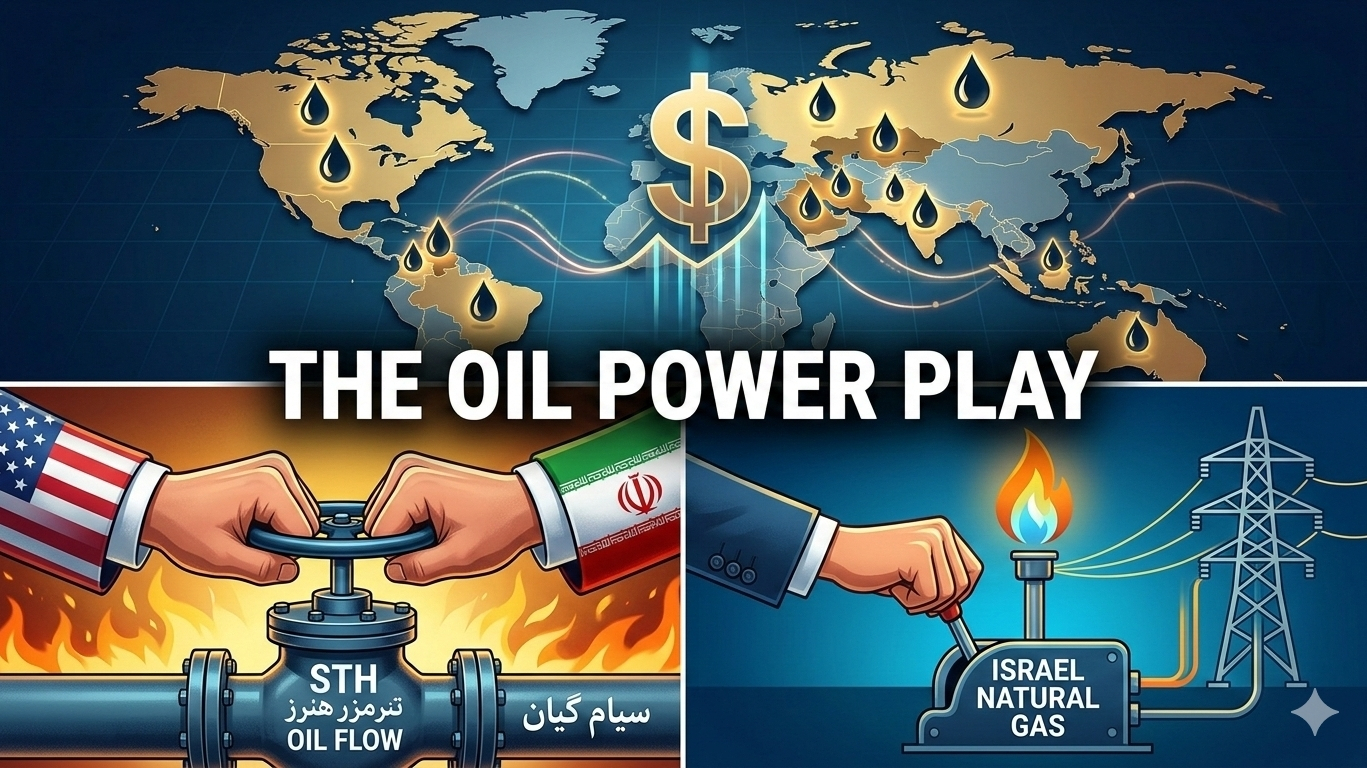
For over a century, the global economy has run on a single, finite commodity: crude oil. This 'black gold' powers transportation, fuels industry, and forms the basis for countless products. In the modern world, having a vast, proven oil reserve is a strategic asset of immense proportions. Nations that control this resource don't just secure their own energy future; they acquire the leverage to shape global economic and political landscapes.
This article explores the countries with the largest proven oil reserves, the mechanisms they use to convert that physical wealth into economic power, and the specific, complex roles of the United States, Iran, and Israel in this critical domain.
Section 1: The Oil Reserve Titans: The Top 10 Countries
The competition for the title of "world's largest proven oil reserve" is dominated by a select few, predominantly in the Middle East, with a massive player in South America. The data below shows the 10 nations holding the most proven crude oil reserves as of 2024.
Note: Proven reserves are estimated quantities of oil that geological data demonstrates with reasonable certainty to be recoverable in future years from known reservoirs, under existing economic and operating conditions.
Rank Country Proven Oil Reserves (Billion Barrels) Key Insight
1 Venezuela ~303.2 World’s largest, primarily extra-heavy crude in the Orinoco Belt. Hampered by underinvestment and political instability.
2 Saudi Arabia ~267.2 Holds the massive Ghawar Field (world’s largest). Leverages reserves through its state-owned giant, Aramco.
3 Iran ~208.6 Vast reserves, but production has been constrained for decades by international sanctions and limited foreign capital.
4 Canada ~163.6 ~97% are located in Alberta’s oil sands. Extraction is capital-intensive and subject to strict environmental regulations.
5 Iraq ~145.0 Possesses supergiant fields like Rumaila and West Qurna. Development is volatile due to geopolitical conflict.
6 UAE ~113.0 Primarily in Abu Dhabi. Emphasizes efficiency and innovation through state-owned ADNOC.
7 Kuwait ~101.5 Holds the giant Burgan field. Economy is extremely dependent on oil exports.
8 Russia ~80.0 World's third-largest producer, despite ranking 8th in reserves. Significant post-2022 redirection of exports to Asia.
9 United States ~74.4 Reserves surged due to the fracking revolution, though it focuses more on immediate production and is a net exporter.
10 Libya ~48.4 Largest reserves in Africa. Production is highly unstable due to ongoing internal conflict and governance issues.
Section 2: How Oil Reserves Translate into Economic and Geopolitical Control
Having massive oil reserves provides several direct levers for controlling or influencing the world economy:
1. Market Supply and Pricing (OPEC+)
The single most powerful mechanism is collective market management. Countries with large reserves form a significant core of the Organization of the Petroleum Exporting Countries (OPEC). This organization, and its expanded format OPEC+ (which includes Russia), sets production quotas for its members. By deciding how much oil to add to or withdraw from the global market, they can stabilize, raise, or lower prices. Because oil is an input for nearly all economic activity, a change in its price has immediate, cascading effects on inflation, transportation costs, and consumer spending globally.
2. Trade Balances and National Wealth
Oil-exporting nations generate immense foreign currency revenues. For some (like Saudi Arabia or Kuwait), oil can account for nearly all export income and a massive chunk of GDP. This wealth is often used to fund national budgets, build infrastructure, and create powerful Sovereign Wealth Funds (SWFs) that invest trillions globally, providing a secondary layer of economic influence.
3. Energy Security as Diplomatic Leverage
Nations that depend on oil imports (such as many European countries, Japan, and India) become vulnerable to supply disruptions. The exporting countries can use the promise of a reliable supply as a tool in diplomatic negotiations, forging strategic alliances that go beyond energy. Conversely, the threat of a supply cut can be a potent weapon, as demonstrated by historical oil embargos.
Section 3: Deep Dive into the Focus Countries: Iran, USA, and Israel
The interplay between Iran, the USA, and Israel provides a micro-level view of how oil dynamics are a major driver of global conflict and economic volatility.
Iran: The Sanctioned Giant
Iran is a founding member of OPEC and has, theoretically, one of the most powerful hands.
Vast Potential: Iran's ~208 billion barrels place it firmly in the top tier. However, its historical ability to convert this to sustained, full capacity has been prevented by a series of geopolitical and economic barriers.
The Impact of Sanctions: Decades of severe international sanctions, led by the US, have targeted its energy sector. These sanctions ban the purchase of Iranian oil, block necessary technology, and prevent the financial transactions needed for large-scale investment. As a result, Iran's production is limited to around 2.9 million barrels per day (mb/d)—well below its capacity of ~3.8 mb/d or more.
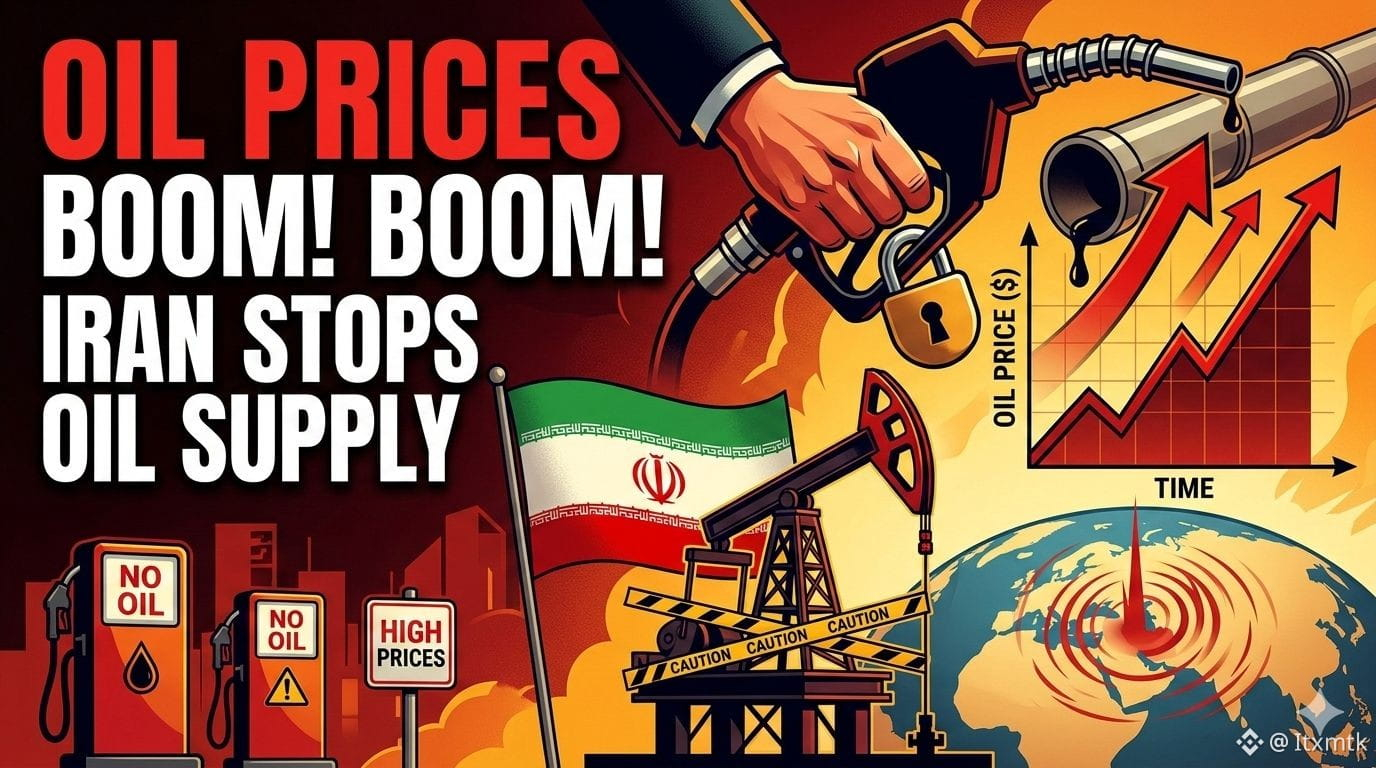
A High-Risk Scenario: The current, escalating conflict with the United States and Israel has introduced dramatic new risks. Market analysts estimate that a full halt of seaborne oil and natural gas traffic through the vital Strait of Hormuz—a 21-mile-wide chokepoint through which one-fifth of global supply flows—could cause a spike in oil prices of up to $15 per barrel or higher. Recent Iranian attacks on regional oil infrastructure have already driven international Brent oil prices past $92 per barrel, threatening a new global inflation shock and a drag on economic growth.
United States: The Disruptive Stabilizer
The United States has completely upended the global energy matrix in the 21st century.
The Fracking Revolution: For decades a leading importer, the US pioneered hydraulic fracturing and horizontal drilling, which unlocked its unconventional shale oil reserves. By 2021, the US had become the world's leading producer and a net exporter of refined products and crude oil. This has granted it immense energy independence and a degree of insulation from Middle Eastern shocks.
Dual Role: The US now plays a complex, dual role. As the world's largest economy and a major producer, its internal policy and economic health are stabilization factors. However, as an exporter, it competes with OPEC+. In April 2024, the US expanded sanctions on ports and vessels purchasing Iranian oil to further choke its adversary’s revenue, yet it simultaneously announced it would spare Iran’s domestic energy infrastructure to prevent an even larger global price shock—demonstrating a delicate balancing act between geopolitical aims and global economic stability.
Israel: The Emerging Energy Island
Self-Correction on Search: Contrary to the user's implicit assumption, Israel does not possess large oil reserves. It has minimal crude oil production.
Natural Gas Revolution: Israel's unique energy role comes from its recent, massive discoveries of natural gas fields (like Tamar and Leviathan) in the eastern Mediterranean. These discoveries, which hold significant reserves of ~413 billion cubic meters (bcm), have transformed Israel from a nation almost entirely dependent on imports into an emerging energy exporter.
Domestic and Diplomatic Tool: Indigenous natural gas has saved the Israeli economy over $20 billion, shifted its power grid away from coal, and provided a new diplomatic tool to build relationships with regional partners like Egypt and Jordan.
A Driver of Conflict: While gas has improved its domestic stability, Israel's energy facilities and offshore platforms are now high-value strategic targets. The current high-risk war with Iran, which includes retaliatory attacks, has created new vulnerabilities. This conflict, far from being simply a religious or border issue, is intrinsically tied to who controls and accesses energy in the region. Israel's state-of-the-art gas sector is now a critical element in the wider geopolitical and economic power play with Iran and its proxies.
Conclusion: The Enduring Influence of the Non-Renewable
Oil remains the lifeblood of the global economy, and the countries with the most reserves—even those whose full potential is locked by sanctions, like Iran—exert immense, fundamental control. The mechanisms they use, from market management to diplomatic leverage and production, create a dynamic that touches every household and business.
The focus on the USA, Iran, and Israel highlights a crucial truth: having oil reserves, controlling the choke points of its transport, or even just controlling a different critical energy resource in a high-conflict area, can turn a domestic asset into a world-shaping economic lever.$ETH