
Technological advancement consistently outpaces the frameworks meant to regulate it. We engineer powerful tools, yet lack coherent protocols for their deployment. This tension sits at the heart of contemporary robotics. Machines excel at task execution, but we desperately need blueprints for orchestrating, governing, and synchronizing them across vast networks. My exploration of Fabric revealed something far broader than mere robotics. The initiative aims to construct an architecture where machinery, programmers, and end-users converge within unified operational parameters.
Fabric operates as a permissionless network enabling robots and autonomous systems to integrate into economic and administrative structures. Its protocol distributes authority broadly—machines establish verifiable identities, carry out assignments, and interact openly without corporate intermediaries. The underlying blockchain guarantees that operational logs, property records, and inter-machine coordination remain permanently visible and independently verifiable.
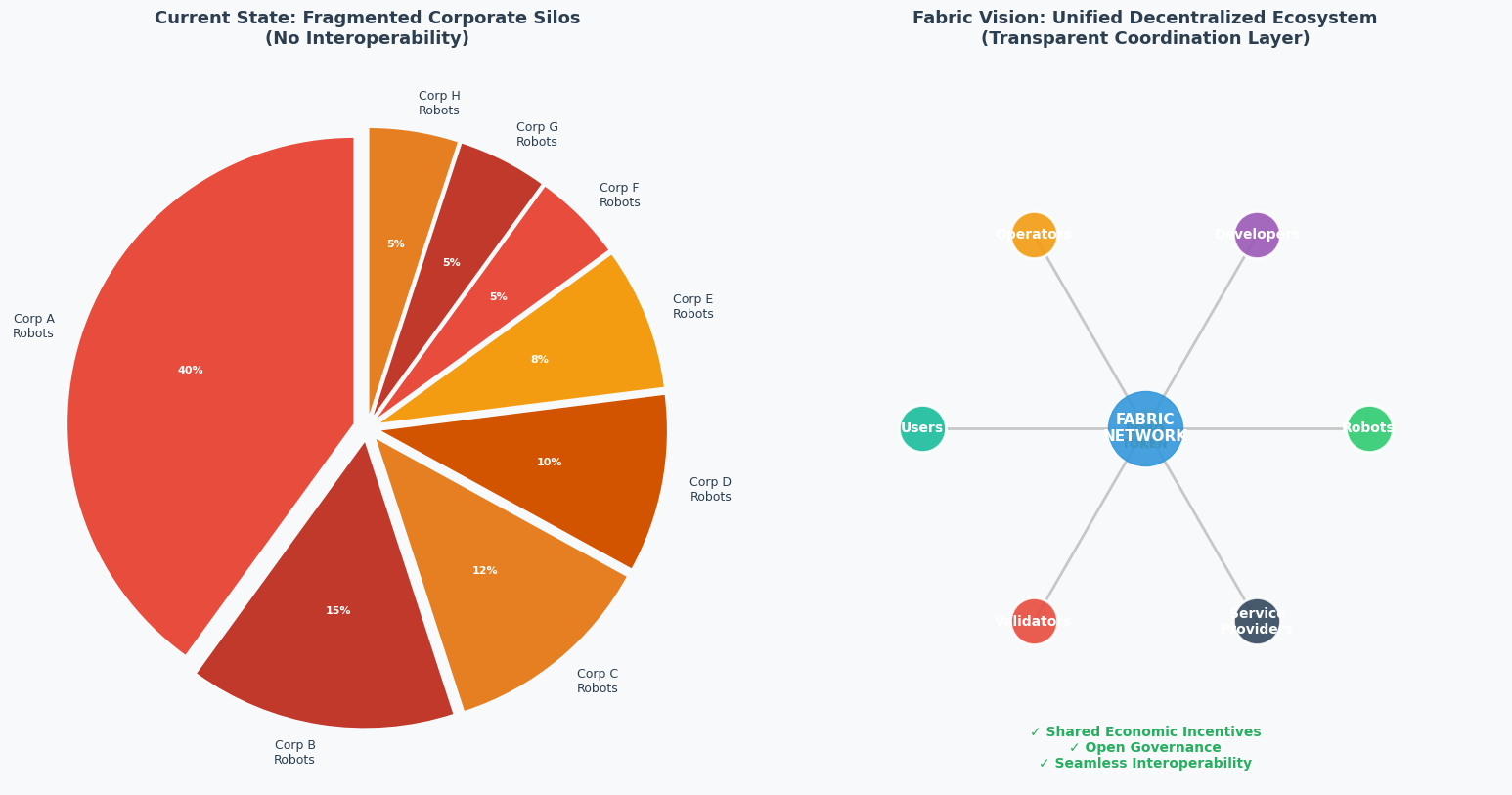
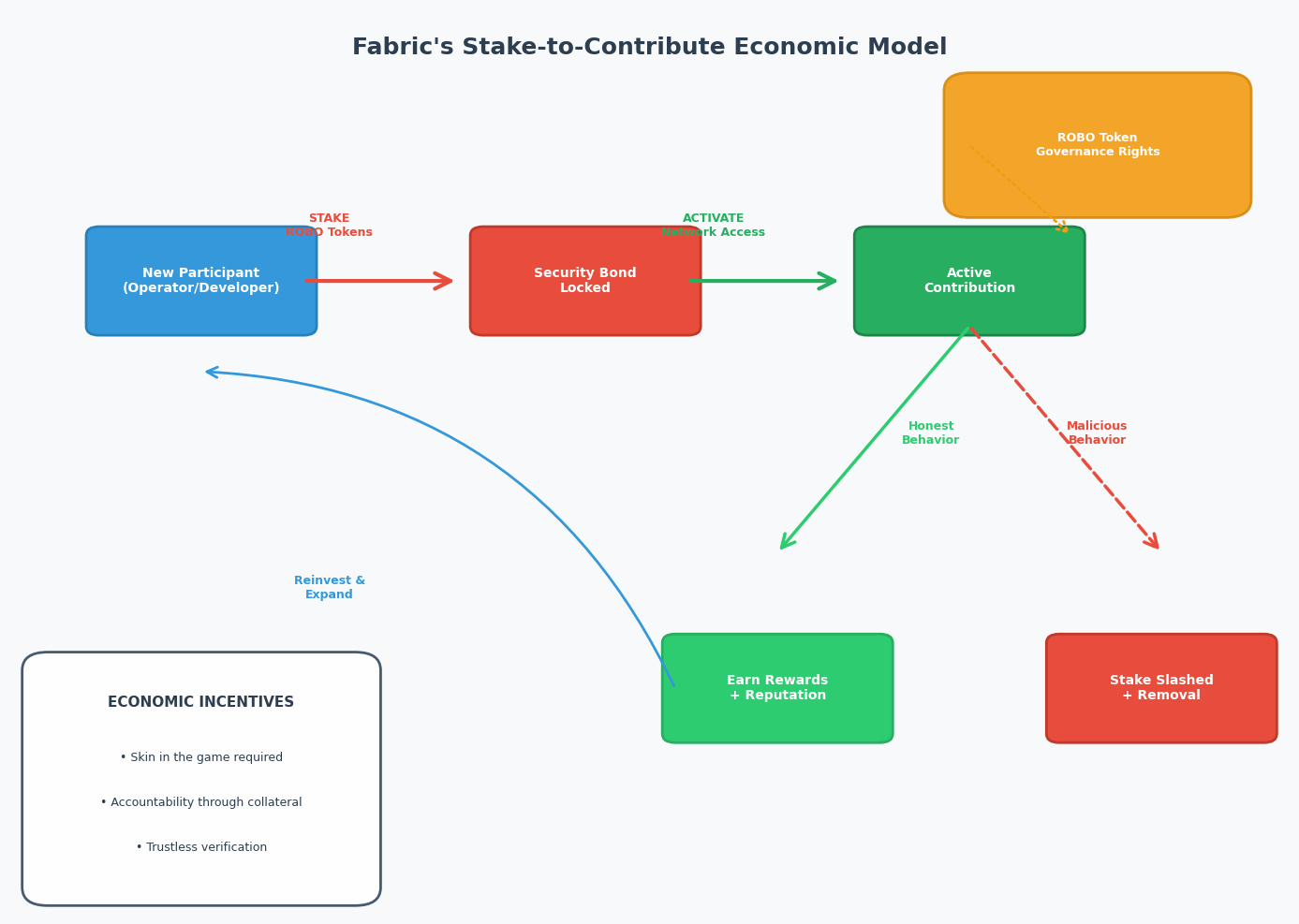
What distinguishes Fabric is its fusion of mechanical operations with financial motivation. The ecosystem employs ROBO tokens serving dual purposes: transactional medium and voting mechanism. Holders utilize these for network costs, collateral deposits, and collective decision-making. Consequently, power fragments across stakeholders rather than centralizing; evolution stems from communal engagement and market-driven alignment.
I believe this architecture will restructure robotics into an expansive, accessible marketplace unshackled from corporate dominance. Developers inject code and artificial intelligence; machine hosts deploy hardware; consumers tap robotic functionalities. Fabric strives to reimagine robotics as cooperative infrastructure—where mechanical, human, and computational agents engage through codified transparency instead of isolated proprietary gardens.
The significance here lies in tackling robotics' foundational fragmentation. Presently, countless robotic platforms function as disconnected islands under separate corporate flags, rendering interoperability nearly impossible. Fabric dismantles these barriers, substituting them with an open coordination stratum where machines exchange information, transfer value, and operate under collective stewardship.
$ROBO @Fabric Foundation #ROBO
