
Sometimes the best way to understand a technology is to just sit down and calmly explore it. Without fuss, without rushing. That's exactly how I'm approaching ROBO now. Not as another trend, but as a system I want to understand from the inside. @Fabric Foundation
When you start studying projects like this, the first thing that catches your eye isn't the token or the graphs. The architecture is much more interesting. How is the network logic structured? What problems is it trying to solve? And most importantly, how could it work in a real-world environment.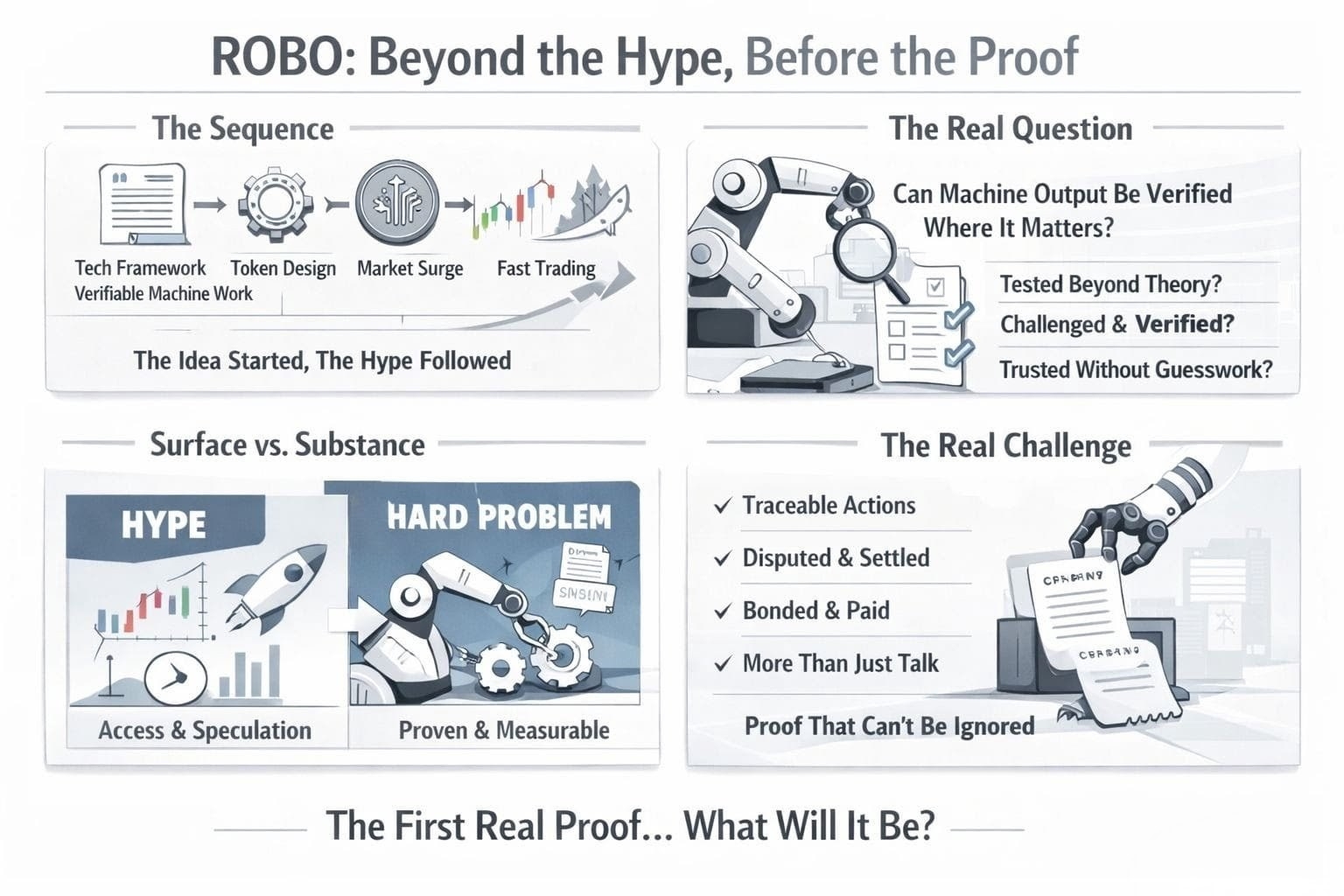
In the case of ROBO, I'm most interested in the idea of a machine economy. We're already accustomed to programs and algorithms performing tasks automatically. But the next step is systems that can interact with each other economically: paying for resources, exchanging services, accessing computing or data.
At first glance, this sounds futuristic, but if you break it down step by step, it becomes clear that we're talking about quite specific things. A machine needs a digital identity, a cryptographic key, and rules that restrict its actions. Essentially, the device becomes a participant in the network, capable of signing transactions and performing operations. 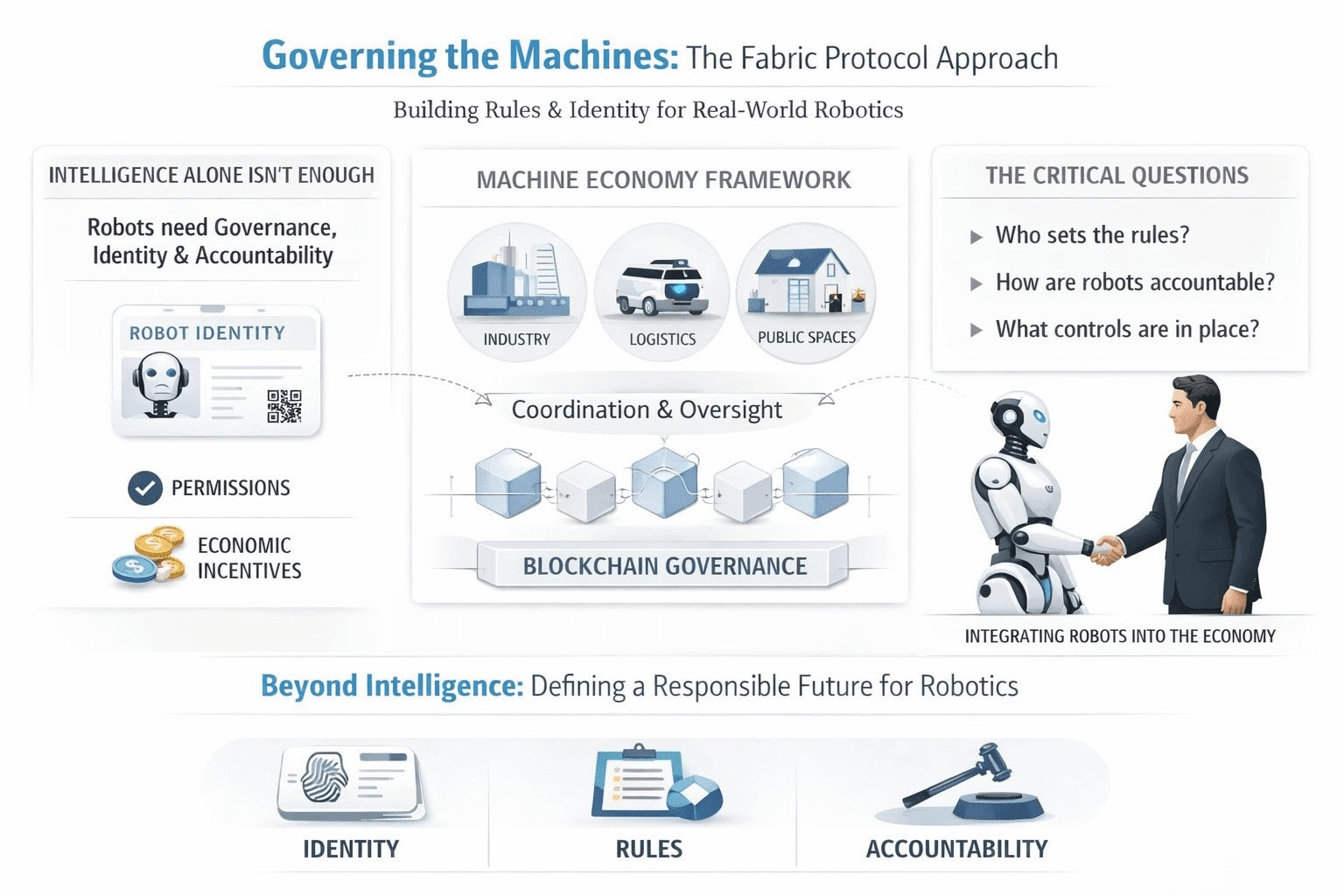
And this is where the interesting questions begin. Where are the keys stored? How are expenses limited? What happens if a device fails or loses network access? Any system that operates autonomously must be prepared for such situations.
The more I understand, the more I realize that such projects are less about cryptocurrency and more about infrastructure. An attempt to build an environment where technologies can interact securely and according to clear rules.
For now, I continue to study ROBO and observe how this idea develops. Many solutions may still lie ahead. But it is precisely this kind of research that allows us to see how new technological trends gradually take shape. Sometimes, simply examining a system closely is enough to understand that there may be much more to it than meets the eye.
