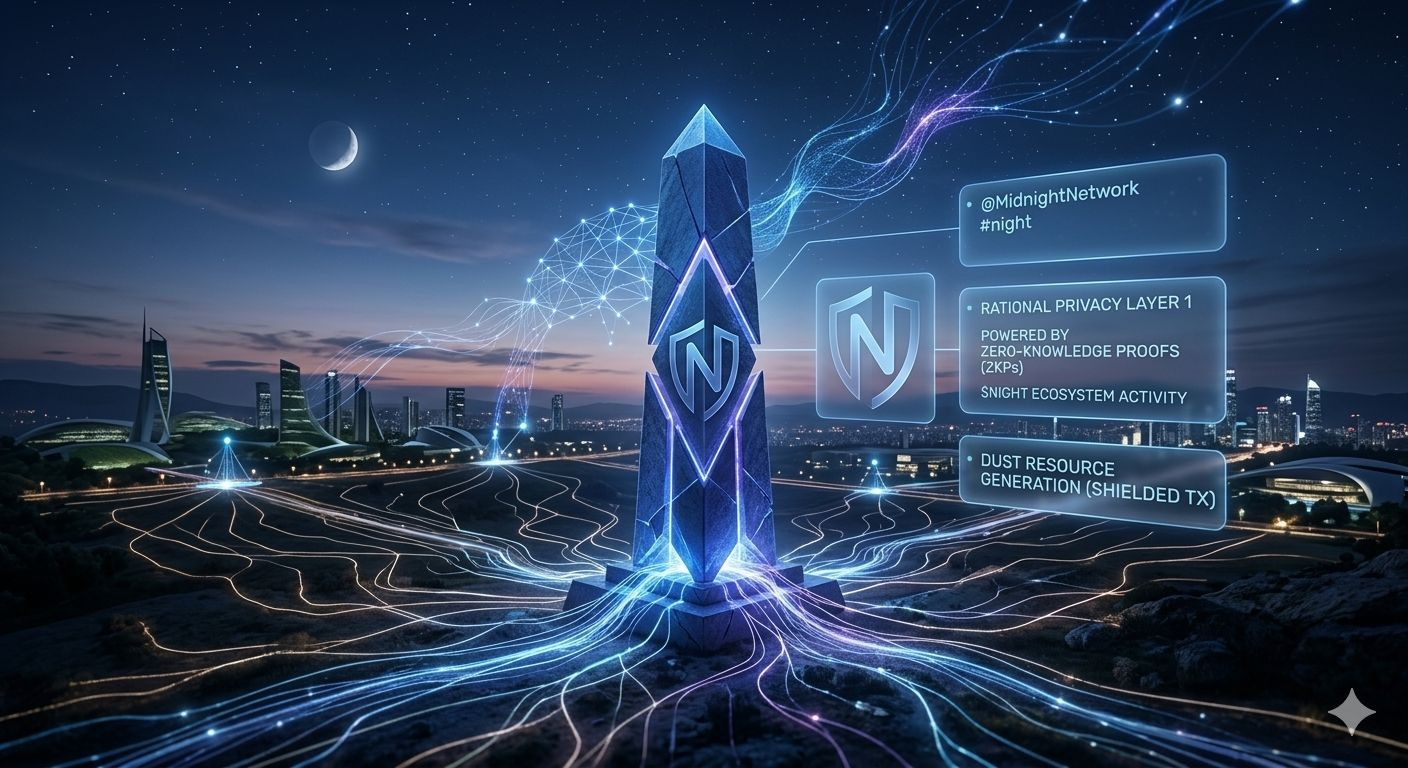
In den frühen Tagen von Web3 wurde Privatsphäre oft als eine einfache Binärdarstellung betrachtet: Entweder war eine Blockchain transparent, wie Bitcoin und Ethereum, oder sie priorisierte Anonymität, wie Monero und Zcash. Während beide Ansätze spezifische Probleme lösten, bot keiner einen ausgewogenen Rahmen, der gleichzeitig die Anforderungen von Regulierungsbehörden, Unternehmen und Nutzern erfüllen konnte. Hier wird das Konzept der **“Rationalen Privatsphäre”**, eingeführt von Midnight Network, transformativ für die Zukunft dezentraler Systeme.
Öffentliche Blockchains wurden um radikale Transparenz herum entworfen. Jede Transaktion, jede Wallet-Adresse und jede Interaktion können on-chain zurückverfolgt werden. Während diese Transparenz Vertrauen und Prüfbarkeit stärkt, bringt sie auch erhebliche Herausforderungen mit sich. Unternehmen können sensible Daten der Lieferkette nicht sicher offenlegen, Einzelpersonen können ihre finanzielle Privatsphäre nicht schützen, und Institutionen sehen sich Compliance-Risiken gegenüber, wenn sie mit vollständig transparenten Hauptbüchern umgehen.
Wenn ein Unternehmen Gehaltsabrechnungen auf einer transparenten Blockchain durchführt, könnten die Gehälter der Mitarbeiter öffentlich sichtbar werden. Ähnlich könnten Handelsstrategien, die durch Smart Contracts ausgeführt werden, leicht von Wettbewerbern kopiert werden. Diese Einschränkungen haben die Unternehmensakzeptanz von dezentraler Infrastruktur trotz des technologischen Potenzials verlangsamt.
Auf der anderen Seite haben datenschutzorientierte Chains wie Monero versucht, Transparenzprobleme zu lösen, indem sie Transaktionen fast vollständig untraceable machen. Während dies die Privatsphäre der Benutzer schützt, schafft es neue Probleme. Regulierungsbehörden haben Schwierigkeiten, die Compliance sicherzustellen, und Institutionen zögern oft, mit Netzwerken zu interagieren, in denen finanzielle Aktivitäten nicht auditiert werden können, wenn dies erforderlich ist.
Diese Spannung zwischen **Privatsphäre und Verantwortlichkeit** ist zu einem der größten Hindernisse für die Akzeptanz von Web3 geworden. Regierungen verlangen nach regulatorischer Aufsicht, während Benutzer Vertraulichkeit verlangen. Ein System, das beides nicht ausbalancieren kann, wird Schwierigkeiten haben, global zu skalieren.
Midnight Network schlägt ein neues Framework namens **Rationale Privatsphäre** vor, das darauf abzielt, ein Gleichgewicht zwischen Transparenz und Vertraulichkeit zu schaffen. Anstatt die Benutzer zu zwingen, zwischen vollständiger Sichtbarkeit oder totaler Anonymität zu wählen, ermöglicht Midnight **selektive Offenlegung von Daten**.
Durch fortschrittliche kryptografische Techniken wie **Null-Wissen-Beweise** können Benutzer beweisen, dass bestimmte Bedingungen wahr sind – wie z.B. regulatorische Compliance, Eigentum oder Identitätsverifizierung – ohne die zugrunde liegenden sensiblen Daten offenzulegen. Dies ermöglicht es, Transaktionen und Interaktionen mit Smart Contracts privat zu halten, während dennoch überprüfbare Beweise für relevante Parteien bereitgestellt werden.
Die Zukunft von Web3 wird von seiner Fähigkeit abhängen, sich mit realen wirtschaftlichen Systemen zu integrieren. Finanzinstitute, Regierungen und Unternehmen benötigen Datenschutzmaßnahmen, aber auch regulatorische Compliance. Rationale Privatsphäre bietet ein Framework, in dem beides koexistieren kann.
\u003ct-30/\u003e\u003cc-31/\u003e\u003cm-32/\u003e