
When people first discovered blockchain technology, transparency was considered one of its greatest strengths. Every transaction could be verified publicly, creating a system where trust was built through open data rather than central authority.
However, as blockchain technology started expanding beyond simple cryptocurrency transfers, a new challenge appeared. Not every industry can operate with complete transparency. Businesses often need confidentiality, especially when dealing with financial records, identity verification, or sensitive user information.
This tension between transparency and privacy is where Midnight Network enters the conversation.
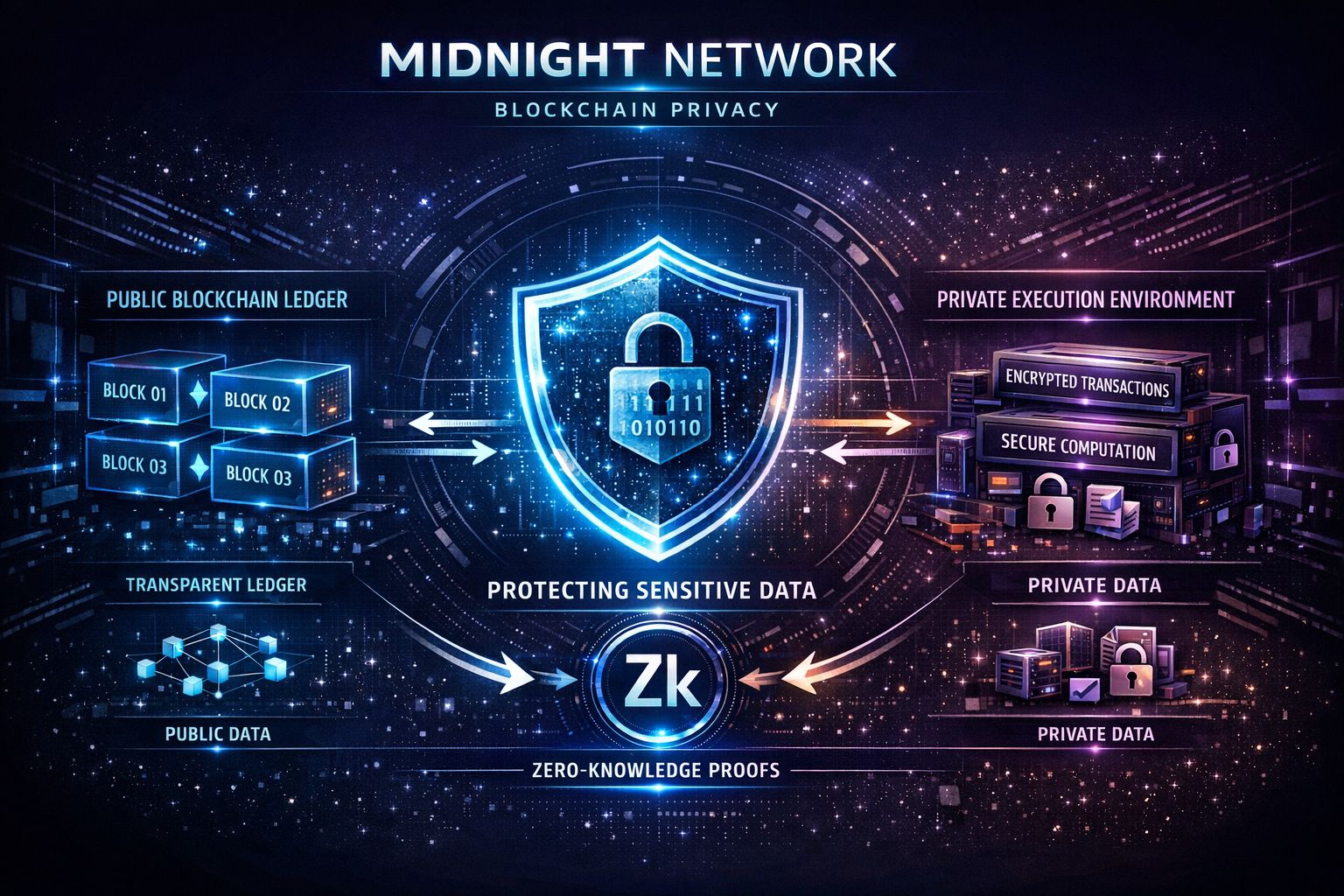
Midnight Network is designed as a privacy-focused blockchain environment that aims to balance these two needs. Instead of forcing all information to be public or completely hidden, the system introduces the idea of programmable privacy. Developers can decide what data should remain confidential and what information can be verified on-chain.
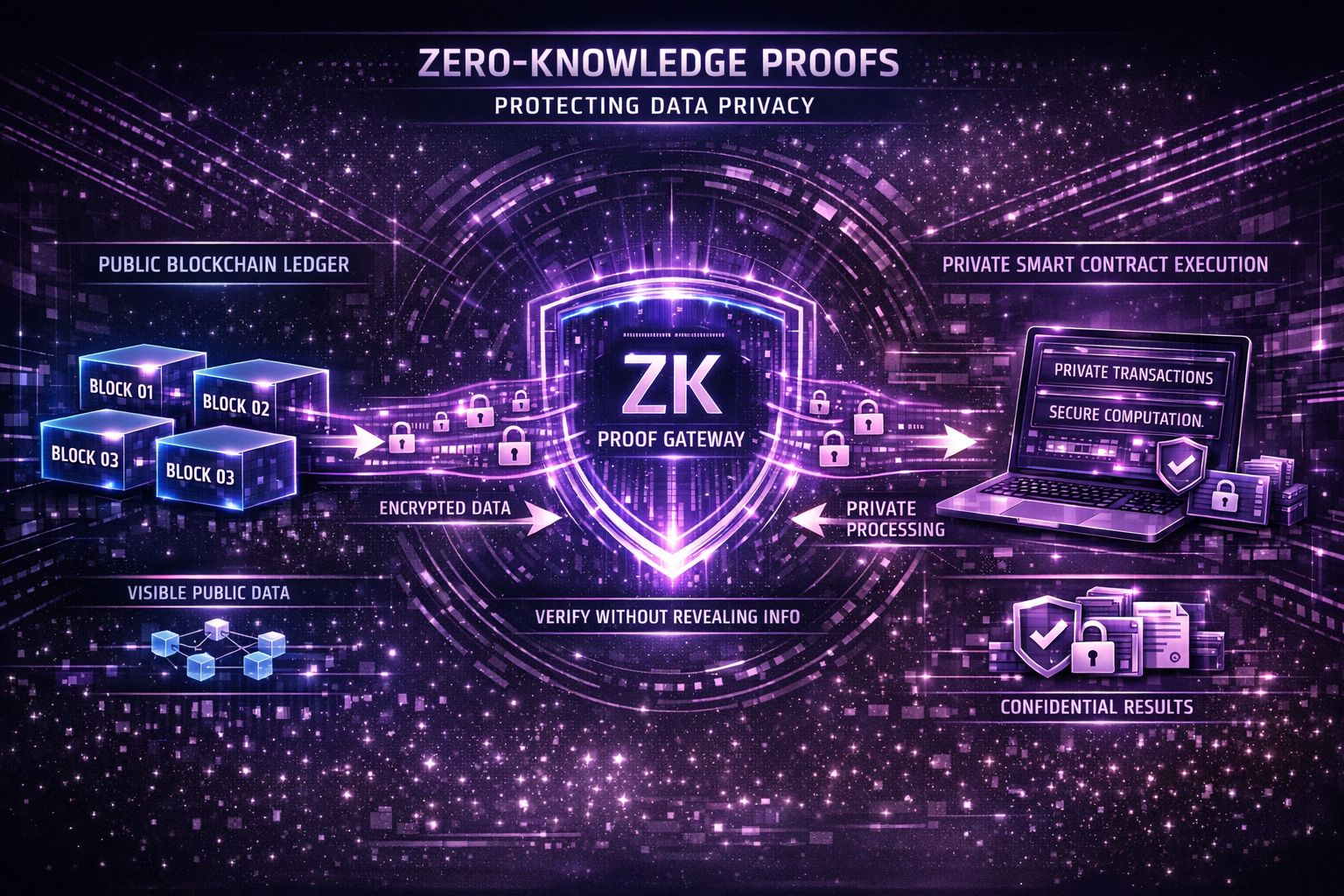
At the heart of this design is the use of zero-knowledge cryptography. This technology allows one party to prove that something is true without revealing the actual data behind it. For example, a system could confirm that a user meets certain requirements without revealing the user’s personal identity or private records.
This concept may sound subtle, but it could have a significant impact on blockchain adoption. Industries such as finance, healthcare, and digital identity require systems that can both protect sensitive information and still provide verifiable results.
Midnight Network attempts to create that balance. By allowing private computation while still publishing cryptographic proofs to the blockchain, the system can maintain both confidentiality and trust.
Another interesting element of the ecosystem is the role of the NIGHT token. The token helps support the network’s economic model while enabling the resources needed to run transactions and smart-contract logic.
Of course, like many emerging blockchain infrastructures, the real test will come as developers begin building applications and users start interacting with the system. Technology ideas can look promising on paper, but long-term success depends on real adoption and a growing ecosystem.
Still, Midnight Network represents an interesting direction for the future of Web3. If programmable privacy becomes widely adopted, it could allow blockchain technology to expand into industries that were previously unable to use fully transparent systems.
And sometimes, the projects that quietly experiment with new architectures end up shaping the next generation of digital infrastructure.