
The last couple of years in crypto have been completely flooded with AI hype. Every new project seems to shout “AI + blockchain = the future,” talking about smarter contracts, decentralized compute, automated systems… but if you look closely, most of it is heavy on narrative and light on actual utility. Just a lot of buzz and hype threads.
Then @Fabric Foundation comes along and asks a much more practical question: sure, AI is amazing at thinking and predicting, but what about robots doing real physical work in the world? How do we actually verify and reward that robotic activity on chain, without everything being locked inside a centralized company’s system?
That’s what hooked me. $ROBO isn’t trying to be yet another “AI token” it’s positioning itself as the economic layer for a decentralized robotics economy. Robots perform tasks (delivery bots dropping packages, warehouse arms shifting inventory, drones inspecting infrastructure, factory machines running production lines), they generate verifiable proof of that work, the network validates it, and rewards in ROBO flow automatically.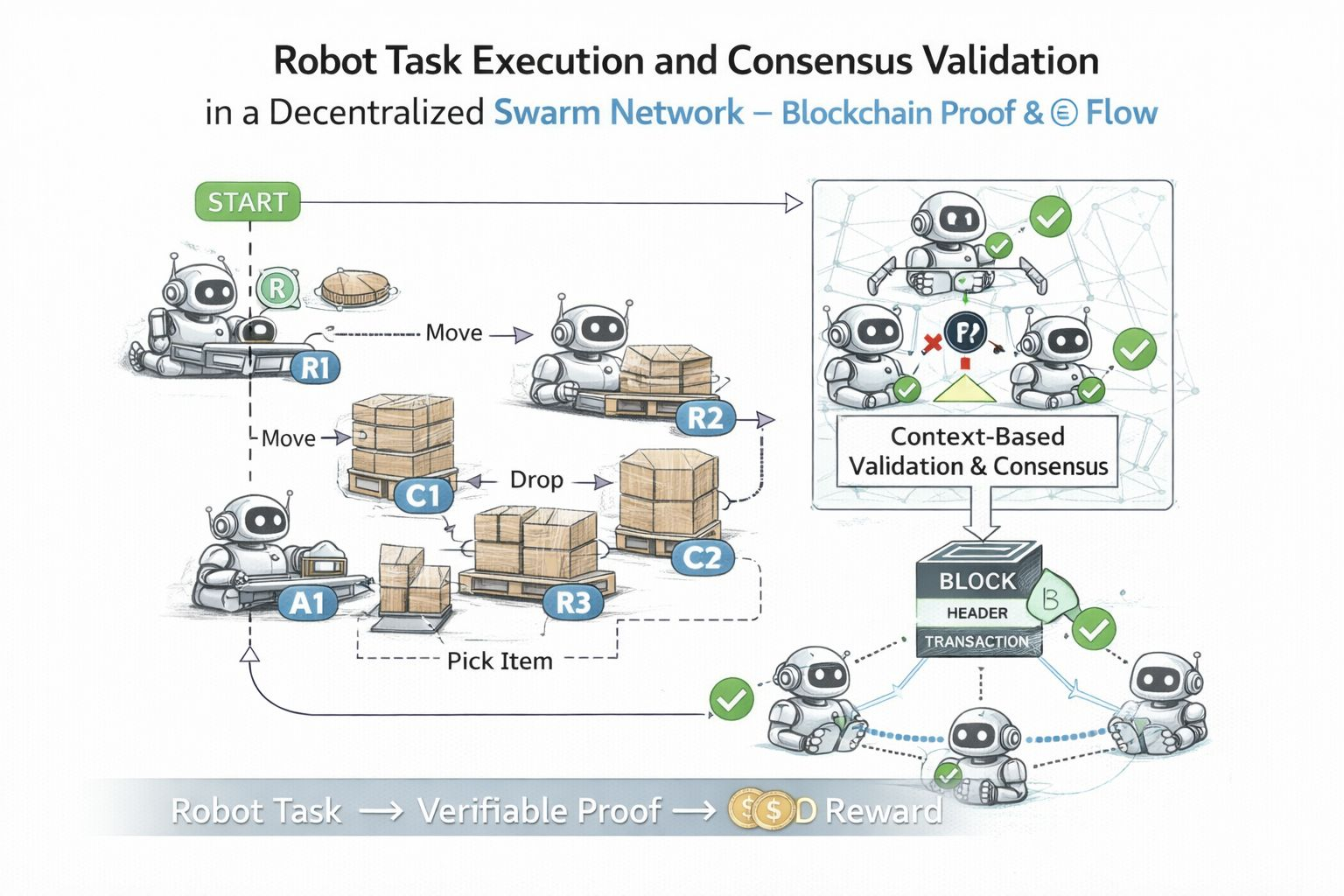
Imagine story like these:
A warehouse robot moves a pallet from one spot to another → today it’s only tracked in a private company system, but with Fabric, the action could be proven and logged on chain, triggering automatic rewards or payments.
An inspection drone completes a check on power lines or a pipeline → proof of completion hits the blockchain, and the system handles verification, performance tracking, or direct payouts.
The robotics and automation market is exploding logistics, manufacturing, agriculture, last mile delivery, services analysts are projecting trillions in economic value over the next decade. But right now, nearly all of it runs on closed, centralized platforms controlled by a few big players. Fabric is trying to change that by adding a decentralized layer for verification and incentives. In theory, machines could start participating in an open economy the same way people do in DeFi or Web3 today.
What sets this apart from most other AI crypto projects is the focus. Those projects usually target the “brain” side decentralized data networks, model training, compute marketplaces. Fabric is going after the “body” side: the physical execution of AI driven actions in the real world.
Of course, there are serious challenges ahead. Robotics is already complex hardware breakdowns, dirty sensors, unpredictable environments. Integrating that with blockchain adds even more difficulty. Scaling to thousands or millions of machines in the wild? That’s a massive engineering lift. The DePIN + AI space is getting crowded with competitors too. And like any early stage token, ROBO’s price will swing wildly on hype, news, and broader market sentiment.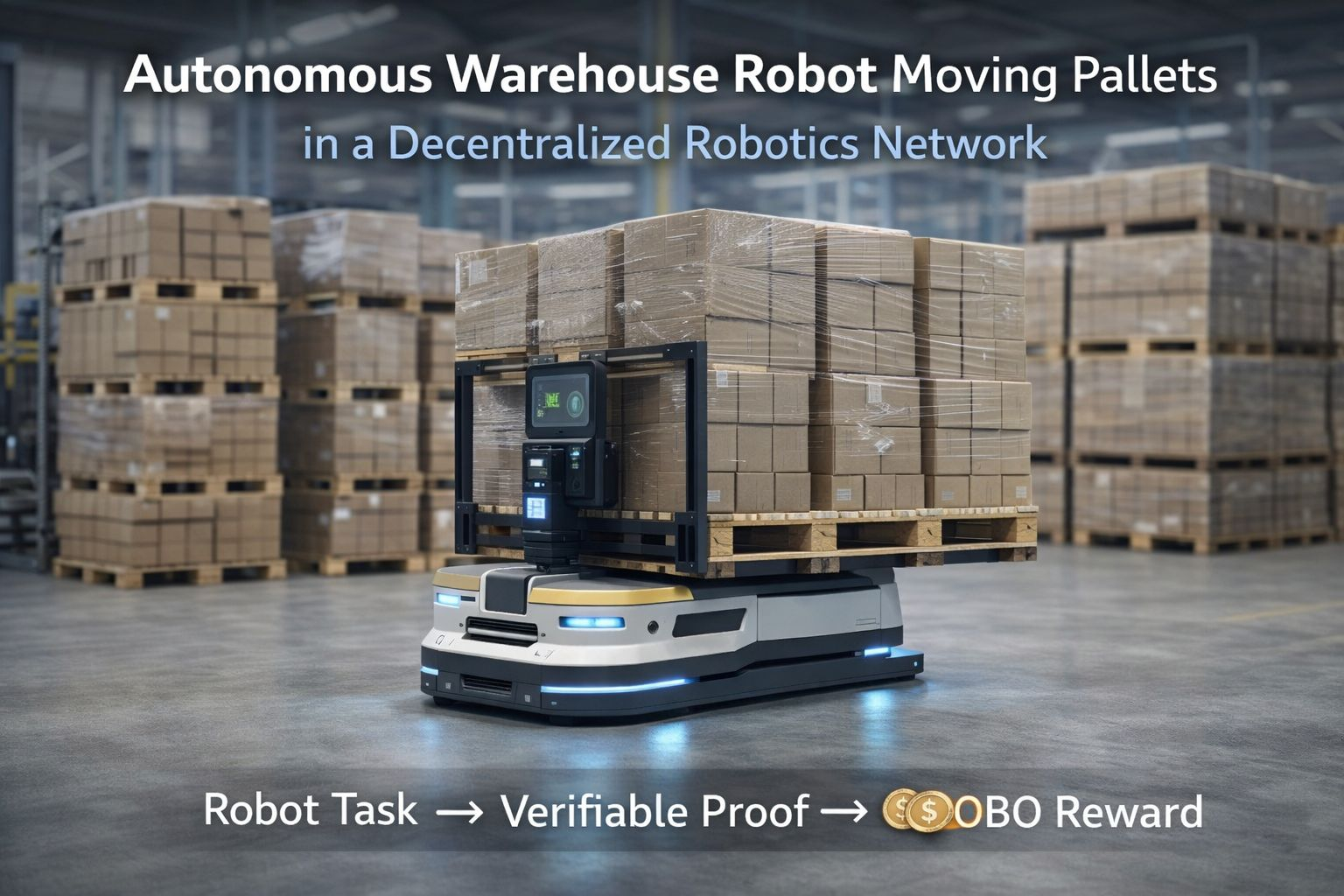
Even with those risks, the long term vision is compelling. If Fabric can actually deliver showing real robots onboarded, verifiable work being logged on chain, and rewards flowing this goes beyond just another token. It becomes a foundation for machines to become active participants in decentralized networks. The next step after humans got involved in Web3: now machines proving their own labor on chain.
It’s still very early. The market cap is small compared to the bigger AI narrative coins, which is exactly why it catches the eye of people looking for projects with genuine potential for real world integration.
In a market full of “AI but make it crypto” stories that rarely move past software, Fabric’s push to bring actual robotic work onto the blockchain stands out. It’s one of the more interesting directions in Web3 infrastructure right now.
What do you think can #ROBO and Fabric turn this ambitious idea into something real, or is it too far ahead of its time? Would love to hear your take!