Da ist etwas am Design der Blockchain, das mir nicht ganz koscher erscheint.
Alle reden über Privatsphäre – die eigene Identität, Transaktionen und Logik vor öffentlicher Sicht zu verbergen. Und ja, das ist wichtig.
Gleichzeitig erwarten wir jedoch, dass Blockchains schnell, interaktiv und von vielen Nutzern gleichzeitig nutzbar sind.
Genau da fangen die Probleme an.
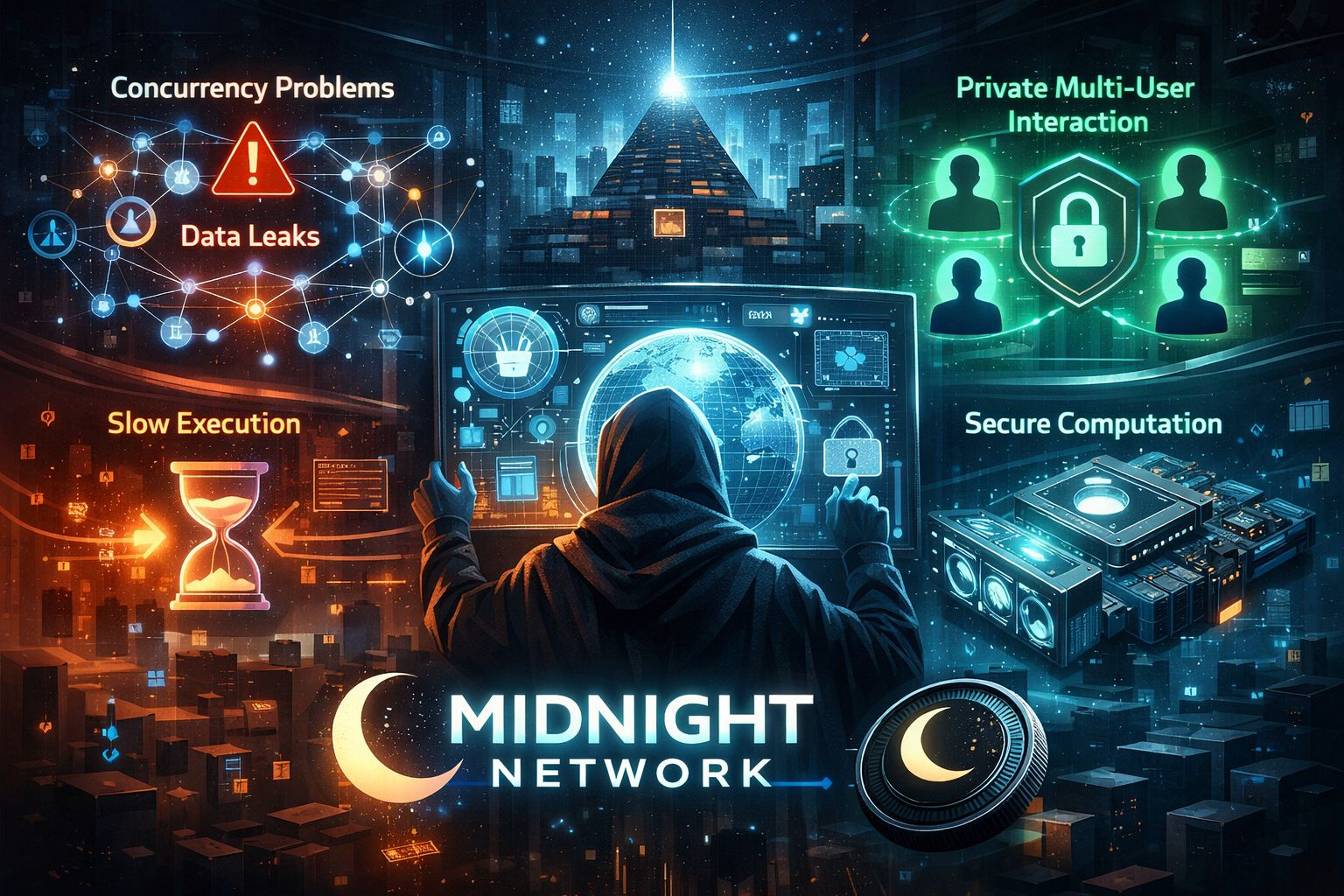
Denn in der Realität funktionieren Privatsphäre und Multi-User-Interaktion nicht gut zusammen. In dem Moment, in dem mehrere Nutzer versuchen, mit denselben privaten Daten zu interagieren, verlangsamen sich die Systeme oder beginnen, Informationen auf subtile Weise preiszugeben.
Das ist kein kleines Problem — es ist eine der größten Einschränkungen im aktuellen Blockchain-Design.
Und das ist genau der Bereich, in dem @MidnightNetwork einen anderen Ansatz verfolgt.
🔐 Datenschutz ist einfach… bis mehrere Nutzer beteiligt sind
Die meisten Datenschutzlösungen funktionieren gut, wenn ein einzelner Nutzer beteiligt ist.
Aber reale Anwendungen funktionieren nicht so.
Denk an Auktionen, Finanzvereinbarungen, gemeinsame Systeme — diese erfordern, dass mehrere Teilnehmer gleichzeitig interagieren. Alles privat zu halten und gleichzeitig eine reibungslose Koordination zu ermöglichen, ist unglaublich schwierig.
Viele Netzwerke lösen dies, indem sie die Interaktionen einschränken oder eine strikte Ausführungsreihenfolge erzwingen.
Ja, es schützt die Privatsphäre…
aber es zerstört die Benutzerfreundlichkeit.
Midnight versucht, diesen Trade-off zu überwinden.
⚙️ Ein anderer Ansatz für private Berechnungen
Was mir auffällt, ist, wie Midnight sich auf strukturierte private Ausführungen konzentriert, anstatt die Nutzerinteraktion einzuschränken.
Anstatt Daten offenzulegen oder alles zu verlangsamen, ist das System darauf ausgelegt, gleichzeitige private Aktionen zu ermöglichen, ohne sensible Informationen preiszugeben.
Einfach ausgedrückt:
👉 Mehrere Nutzer können mit derselben Logik interagieren
👉 Ohne die zugrunde liegenden Daten offenzulegen
Das ist nicht nur eine technische Verbesserung — es ist das, was private Smart Contracts in realen Szenarien tatsächlich nutzbar macht.
🚀 Entwickelt für die Richtung, in die sich die Technologie bewegt
Ein weiterer interessanter Aspekt ist, wie Midnight sich mit modernen Hardware-Trends ausrichtet.
Anstatt den Anstieg des GPU-Computings zu ignorieren, nutzt es ihn — indem es die Datenschutzmechanismen effizienter macht, während die Hardware sich verbessert.
Das ist ein kluger Schachzug.
Weil Skalierbarkeit in Datenschutzeinrichtungen immer ein Engpass war. Wenn die Kosten sinken, während sich die Technologie verbessert, wird die Akzeptanz viel realistischer.
🧠 Über Smart Contracts hinaus: Denken in Absichten
Was wirklich meine Aufmerksamkeit erregt hat, ist der Denkwechsel.
Die meisten Blockchains erfordern von Entwicklern, jeden Schritt der Ausführung zu definieren. Es ist starr und prozedural.
Midnight bewegt sich in Richtung etwas Flexiblerem:
👉 Definiere das Ziel
👉 Lass das System die Ausführung privat handhaben
Das wird extrem mächtig, wenn man an die Zukunft denkt — besonders mit KI-Systemen, die im Namen der Nutzer interagieren.
Datenschutz, Koordination und Automatisierung müssen alle zusammenarbeiten.
Und dort beginnt dieses Modell Sinn zu machen.
🌌 Letzte Überlegung
Midnight versucht nicht nur, eine weitere Blockchain zu sein.
Es packt Probleme an, die viele Netzwerke noch nicht einmal angegangen sind — besonders in Bezug auf Datenschutz in großem Maßstab mit echter Benutzerfreundlichkeit.
Es ist noch früh, und die Ausführung wird alles sein.
Aber wenn dieser Ansatz funktioniert, könnte er unsere Denkweise über Datenschutz im Web3 neu definieren.
Und ehrlich gesagt, deshalb achte ich auf @MidnightNetwork und die Evolution von $NIGHT .
Denn manchmal sind die wichtigsten Innovationen die, die Probleme lösen, die die meisten Menschen noch nicht vollständig verstanden haben.