
Lately I’ve been thinking a lot about how the AI narrative in crypto is evolving. For a while, it felt like every project was just adding “AI” to its description and hoping the market would get excited. Some of that hype is still happening, but every now and then you come across a project that seems to be thinking a bit further ahead.
For me, @Fabric Foundation has been one of those projects.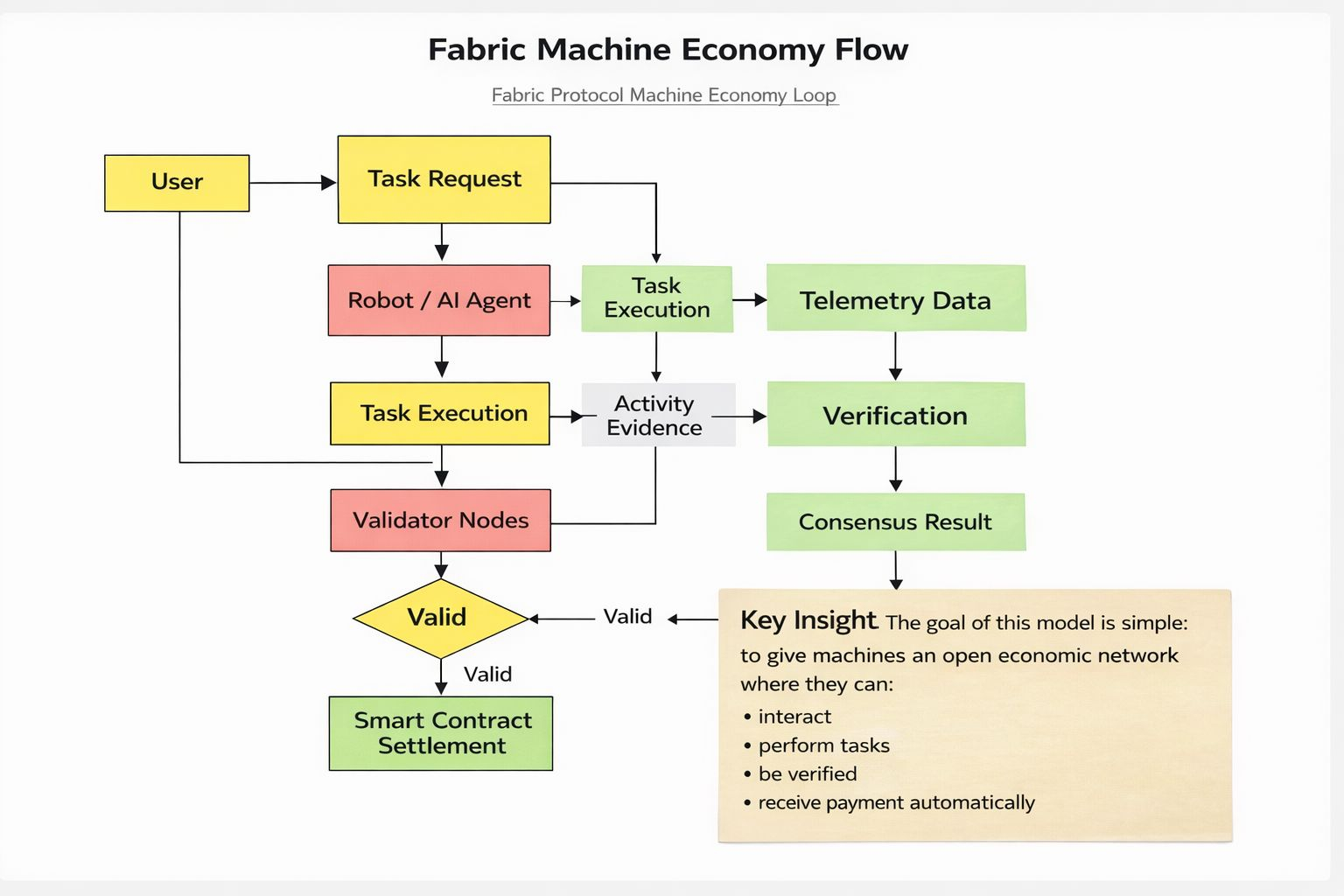
What caught my attention isn’t just the AI angle. It’s the idea that machines and free bots might finally need their own economic layer. If robots, AI services, or free systems are going to operate independently in the future, they’ll need ways to identify themselves, interact, and exchange value. That’s where Fabric’s idea starts to make sense.
From what I understand, the ecosystem around $ROBO is designed to help coordinate interaction between these systems. Instead of machines only operating under centralized platforms, the thought is that they could interact through decentralized infrastructure where payments, rules, and control happen on-chain. 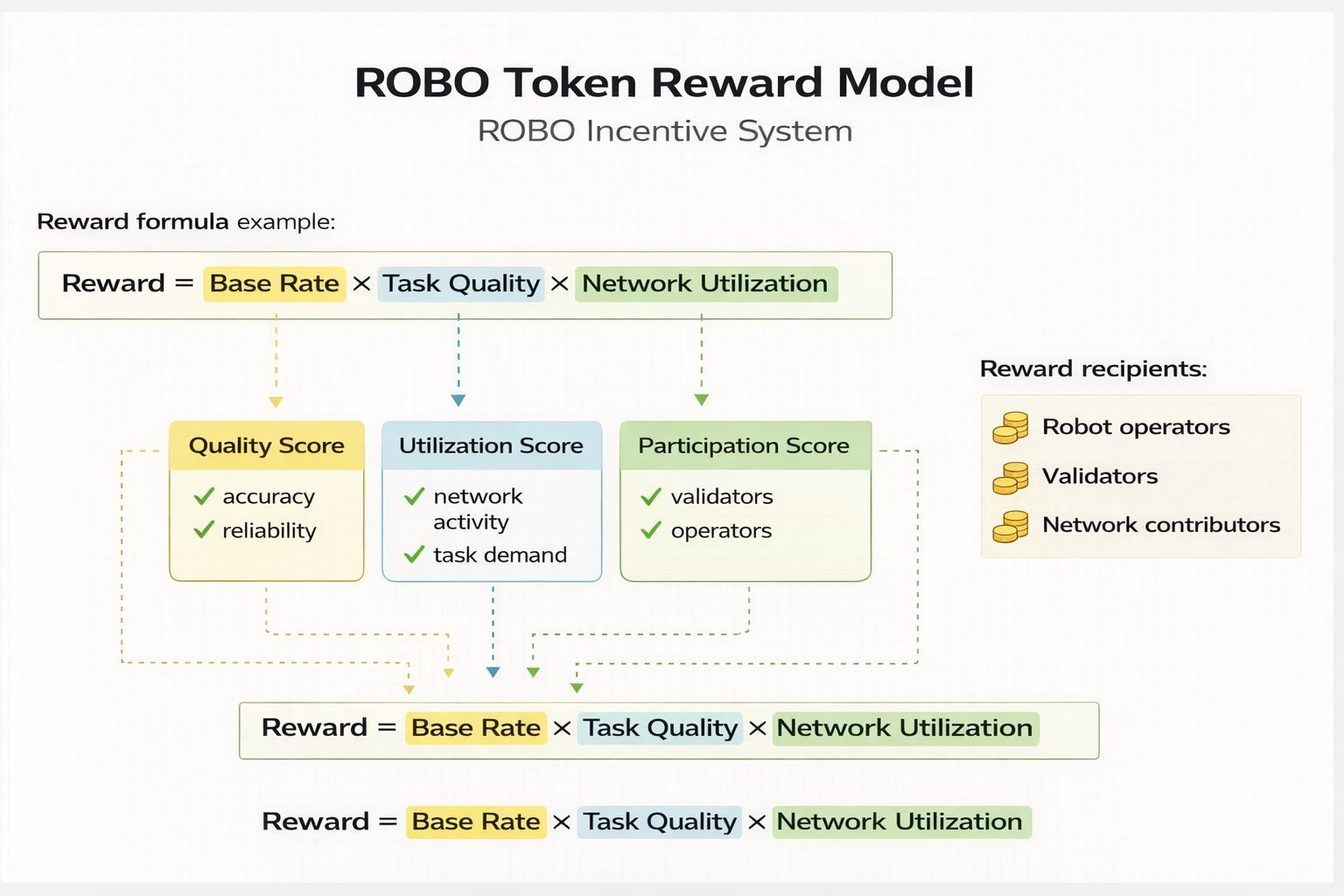
I find that idea interesting because it’s slightly different from many other AI projects in crypto right now. A lot of them focus on computation markets or AI model access. Fabric seems to be looking more at the coordination layer for machines and agents, which feels like a different piece of the puzzle.
Of course, it’s still early. The robotics economy isn’t exactly mainstream yet, and adoption will depend heavily on whether real-world robotics and AI systems start integrating with blockchain infrastructure. That’s a big challenge.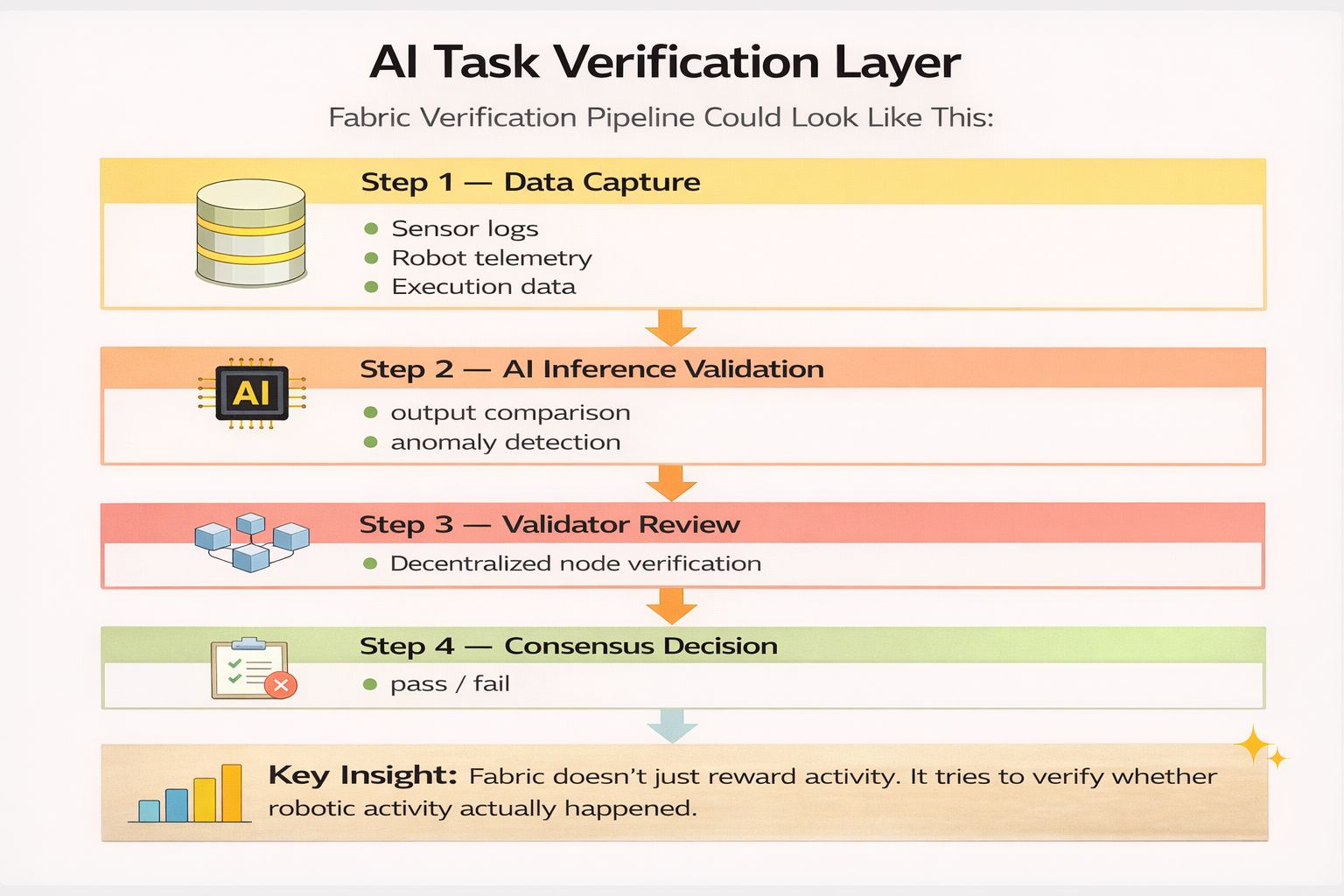
Competition is another factor. The AI-agent narrative is growing fast, and several frameworks are trying to build similar ecosystems. In a space moving this quickly, being early doesn’t automatically guarantee success.
Still, I keep coming back to the bigger picture.
If autonomous systems really do become a larger part of our economy in the next decade, they’ll need systems that allow them to coordinate and transact. In that scenario, infrastructure like what Fabric Foundation is building could become surprisingly important.
That’s why #ROBO has stayed on my radar.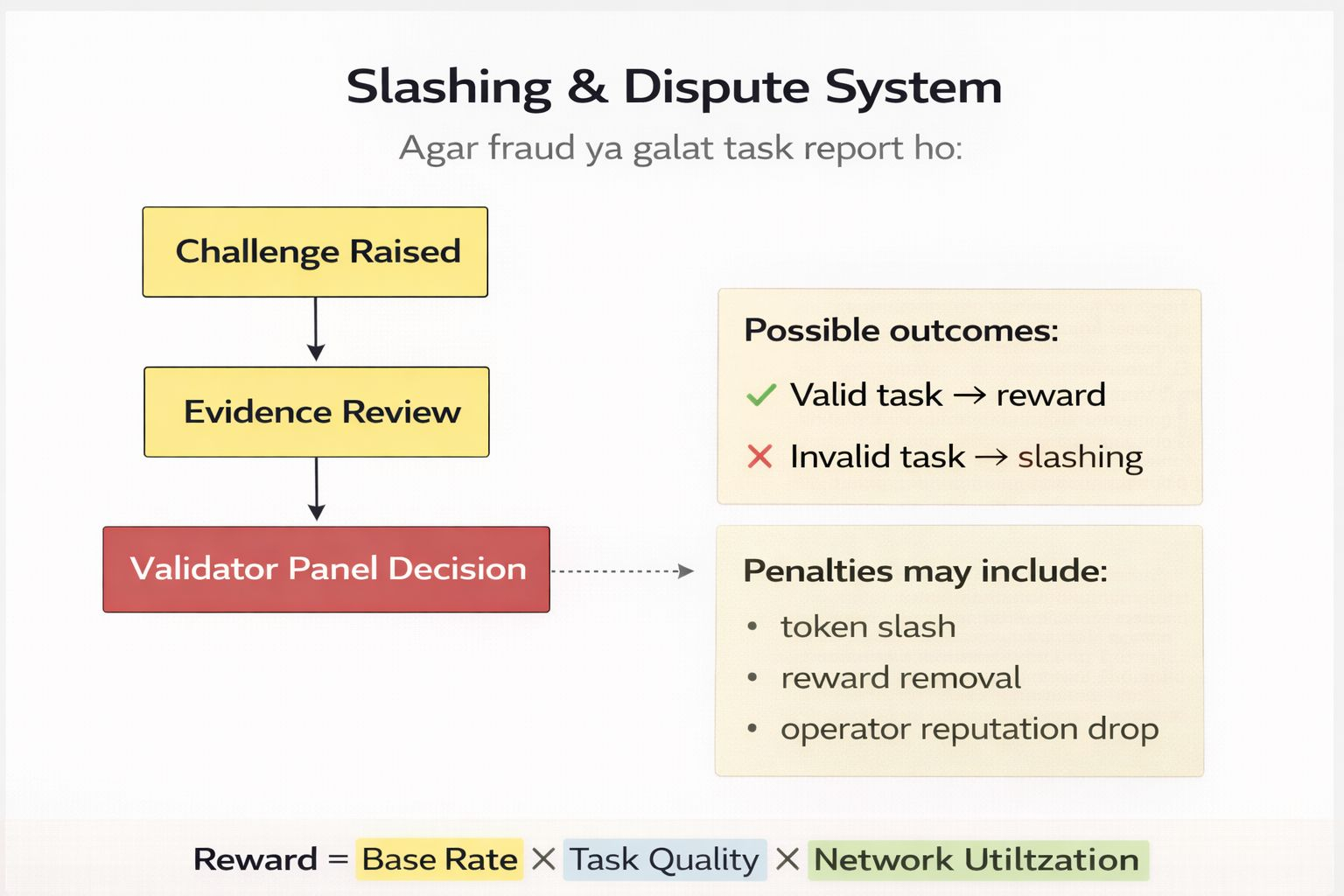
It’s not just about short-term market movements. It’s about whether the idea of a decentralized machine economy actually starts becoming real.
If it does, projects working on that infrastructure today might end up being much more important than people realize.
Fabric is attempting to solve a difficult problem in machine economies: how do you prove that a robot actually completed a task in the real world?