
The other day I was sitting with my tea getting cold, staring at the same wall crack I've meant to fix for months, thinking how everything around us is slowly getting automated—lights, thermostats, even the way groceries show up at the door. It feels inevitable, almost comforting in its predictability. Then I switched tabs and pulled up the CreatorPad campaign page for ROBO Network, the one where you have to post about staking mechanics and validator economics to climb the leaderboard for a slice of those millions of tokens.
I clicked into the staking section on their dashboard, scrolled past the usual APR numbers and delegation buttons, and landed on the validator requirements list—minimum stake thresholds, commission rates, the performance metrics that decide who actually gets to propose blocks or just sits earning scraps. That moment hit differently. While filling out the task, typing about how delegators hand over tokens to validators who then run the show, it struck me how much this mirrors the same old power dynamic we've always had, just dressed in code now.
Most people in crypto still talk about staking as if it's pure democracy: you lock tokens, you help secure the network, everyone wins equally. But staring at those validator economics breakdowns—how bigger stakers get probabilistically more block proposals, more fees, more everything, while smaller ones fight over crumbs or just delegate away their agency—it feels less like decentralization and more like permissioned capitalism with extra steps. The network might be "distributed," but the rewards concentrate in the same way wealth always has: the ones who already have scale keep scaling. ROBO Network, with its robotics focus layered on top, doesn't escape this. If anything, it sharpens the point—validators coordinating robot tasks or compute could end up as gatekeepers in a literal machine economy, deciding who gets priority access to real-world automation.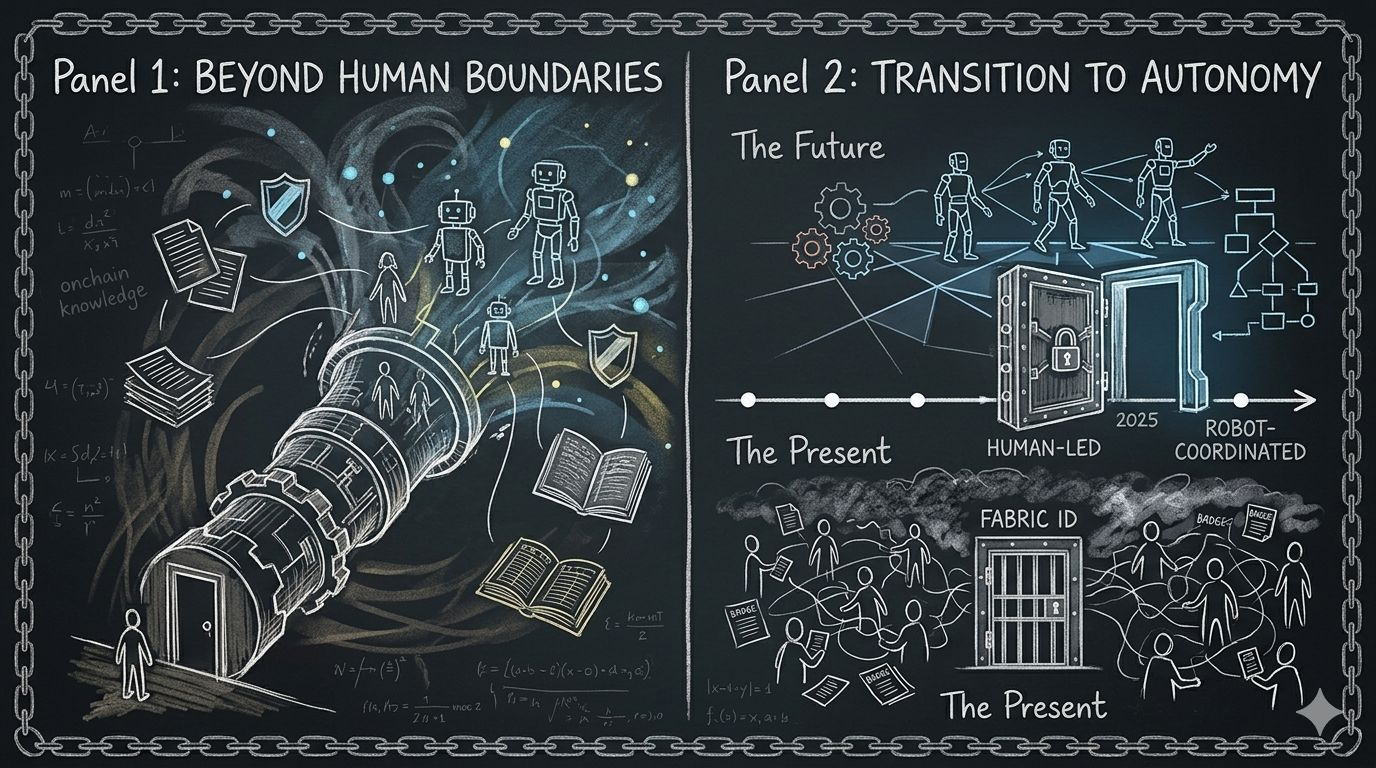
The uncomfortable part is admitting that maybe proof-of-stake wasn't the great equalizer we told ourselves it was. It solved energy waste, sure, but it quietly rebuilt hierarchy inside the system. Delegating feels passive and safe, yet it quietly cedes control to whoever runs the bigger nodes. Running your own validator sounds empowering until you see the hardware costs, uptime demands, and stake minimums that quietly filter out most people. We end up with networks that are technically decentralized but economically recentralized around the same familiar winners. ROBO's validator setup, with its emphasis on performance-linked rewards and governance weight tied to stake, just makes the pattern clearer when you're forced to describe it for a campaign task.
It's not that the system is broken or malicious—it's that we keep pretending the incentives are neutral when they're actually quite directional. The more I think about it, the more it disturbs the simple story that crypto fixes power imbalances. It relocates them.
So what happens when the same validator economics that concentrate rewards today start coordinating fleets of physical robots tomorrow? Are we building a more open future, or just automating the old bottlenecks?#robo $ROBO @Fabric Foundation