
The future of robotics is not just about building machines that are smarter, faster, or more advanced. It is also about building systems that people can trust. As $ROBO become a bigger part of everyday life, the conversation is changing. It is no longer only about what these machines can do. It is also about how they are built, how they are governed, and how they can safely exist alongside people. That is where Fabric Foundation is doing something truly important.
Through Fabric Protocol, a global open network, Fabric Foundation is helping lay the foundation for a new chapter in robotics. Its goal is not simply to push technology forward for the sake of innovation. Instead, it is working to create the kind of infrastructure that allows general-purpose robots to develop in a way that is open, accountable, and aligned with human values.
What makes Fabric stand out is that it understands the deeper challenge facing $ROBO today. As intelligent machines become more common in the real world, questions of trust, responsibility, and control become impossible to ignore. People do not just want powerful systems. They want systems they can understand, rely on, and feel safe around. Fabric Protocol responds to that need by bringing together data, computation, and regulation through a public ledger, creating a framework where transparency is part of the foundation, not an afterthought.

This matters because the future of robotics cannot thrive inside closed systems alone. Real progress happens when people can work together, build on shared standards, and contribute to something larger than themselves. Fabric embraces that idea through a modular approach that gives developers, researchers, organizations, and communities the freedom to participate without being locked into rigid or isolated environments. That openness creates space for collaboration, shared learning, and more meaningful innovation.
At the center of Fabric’s vision is a simple but powerful belief: robotics should make human-machine collaboration better, not more complicated. By combining verifiable computing with agent-native infrastructure, Fabric supports a future where robots are not just tools, but reliable participants in systems built around trust, safety, and accountability.
Fabric Foundation’s role goes far beyond supporting technical progress. It is helping shape the conditions that will define how robotics grows as a field. It is building the kind of ecosystem where advancement is measured not only by performance, but by responsibility. At a time when technology is moving quickly into everyday life, that way of thinking feels not just valuable, but necessary.
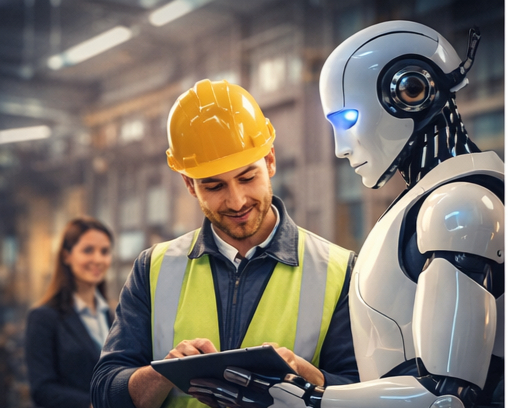
In many ways, Fabric represents a different way of thinking about innovation. It reminds us that the future of robotic should not be shaped behind closed doors or driven only by technical ambition. It should be built openly, guided thoughtfully, and designed to serve people in real and meaningful ways. That is the future Fabric Foundation is working toward — one where trust and innovation grow side by side.
In the end, Fabric Foundation is doing more than helping create better robots. It is helping create a better framework for how robotics can grow, adapt, and serve society over time. And in a world where human-machine interaction is becoming more real every day, that kind of work feels not only timely, but essential.