
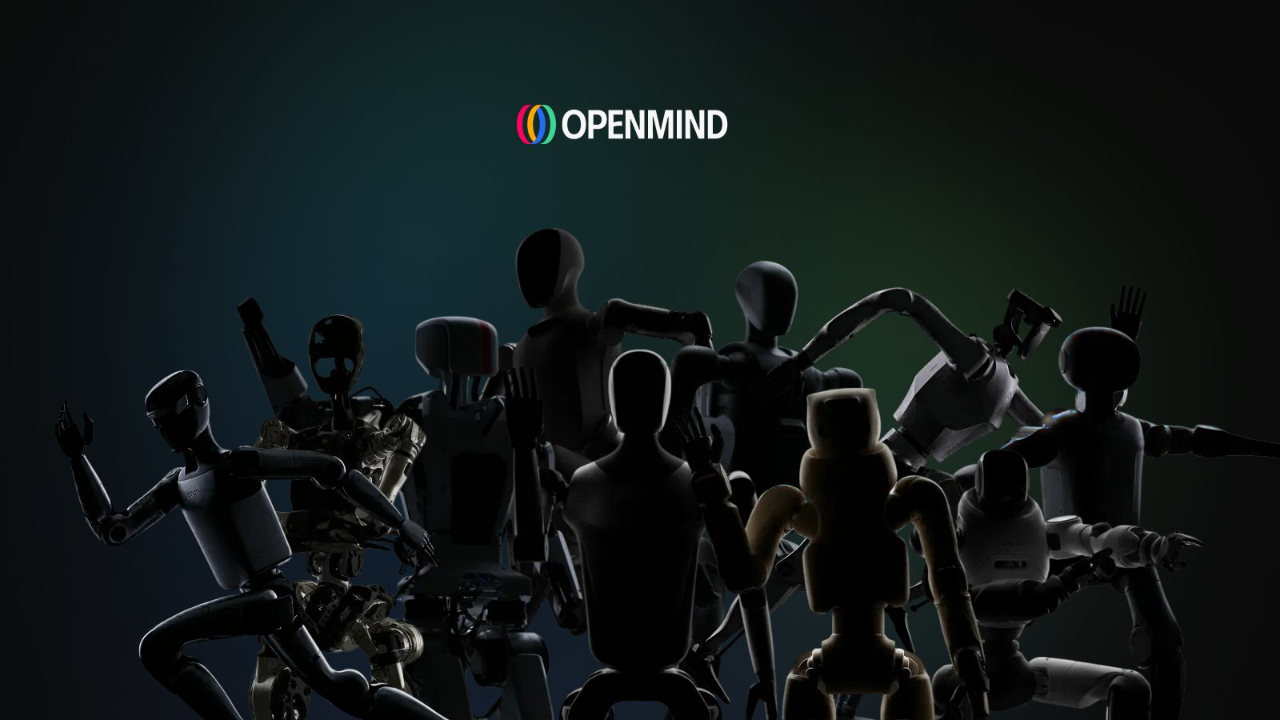
Ask anyone in robotics what the biggest bottleneck is, and the answer is rarely the hardware.
> It's the software.
Every humanoid robot today runs on its own isolated stack. A skill built for one platform dies there. Developers rebuild the same logic over and over just to support a different chassis. The industry is moving fast, but fragmentation is the silent tax slowing everything down.
In January 2026, @Fabric Foundation OpenMind decided to stop waiting for someone else to fix it.
OM1: One OS to Connect Them All
The launch of OM1: an open-source operating system for humanoid robots wasn't just a technical release. It was a direct answer to a structural problem the industry had been avoiding.
Write a skill once. Deploy it across any compatible robot. Let developers build on top of a shared foundation instead of starting from scratch every time.
Simple concept. Extremely hard to execute. And 10 of the most serious humanoid companies in the world signed on from day one.
Why These 10 Companies Matter
This isn't a list of random partners. Look closely and a pattern emerges - these are companies at very different stages, solving very different problems, operating in very different environments. And yet all of them saw value in joining the same platform.
Unitree Robotics builds some of the most affordable agile robots on the market. OM1 gives them a developer ecosystem they couldn't build alone.
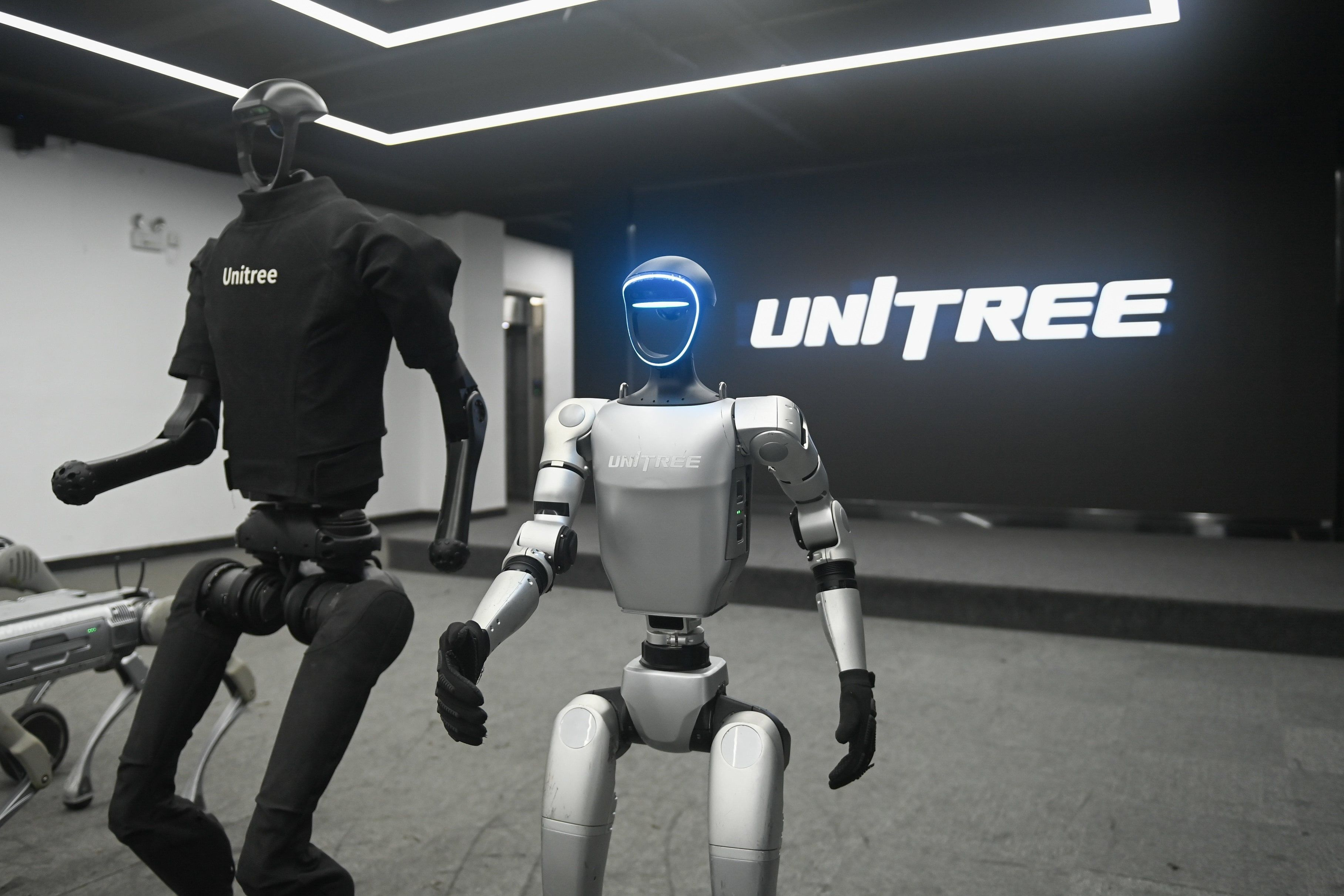
UBTECH Robotics deploys Walker series robots in real industrial and service environments. Standardized software means faster, more reliable global rollout.
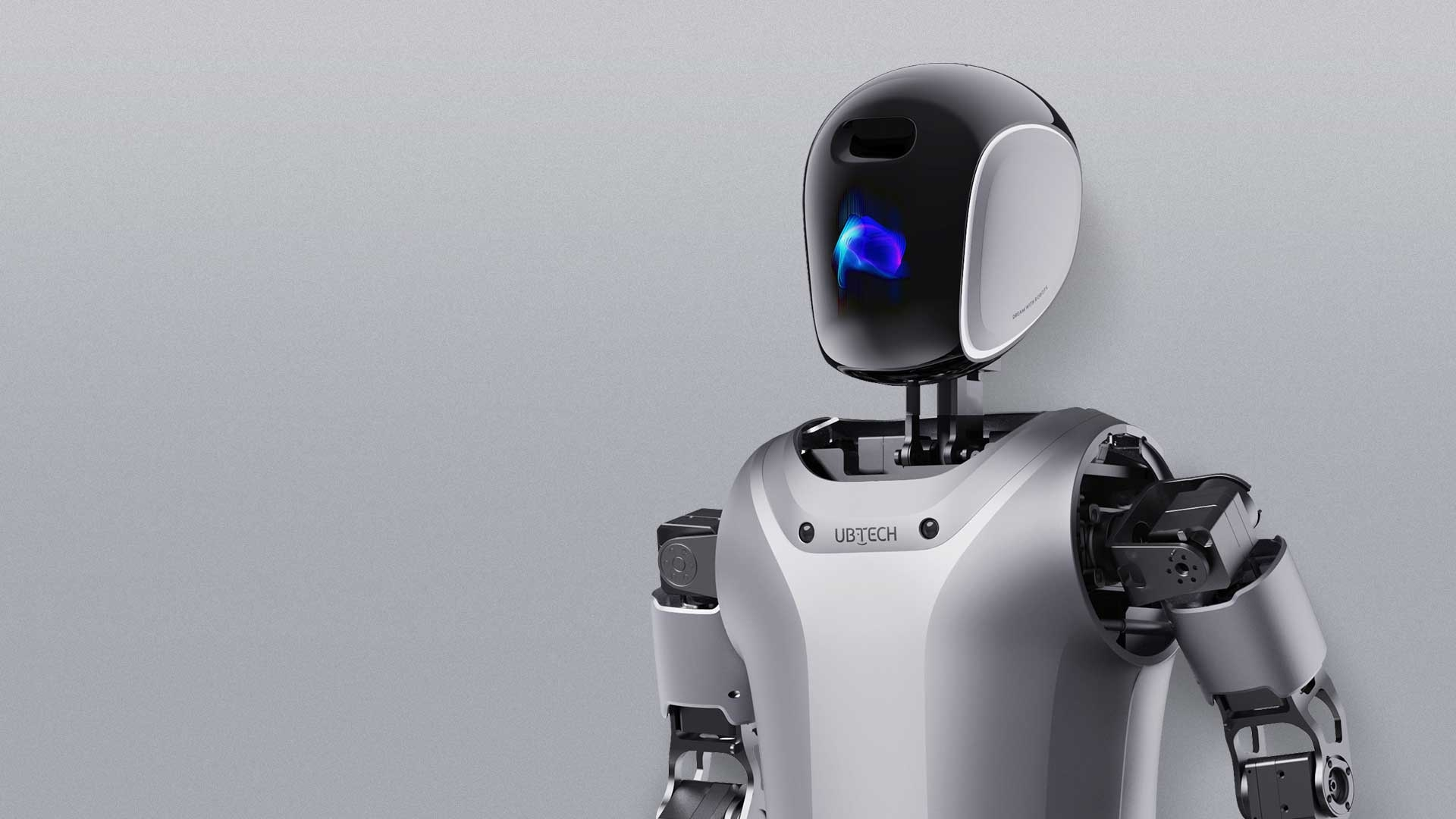
AgiBot shipped more humanoids than anyone in 2025. Volume without software infrastructure is a ceiling - OM1 removes it.
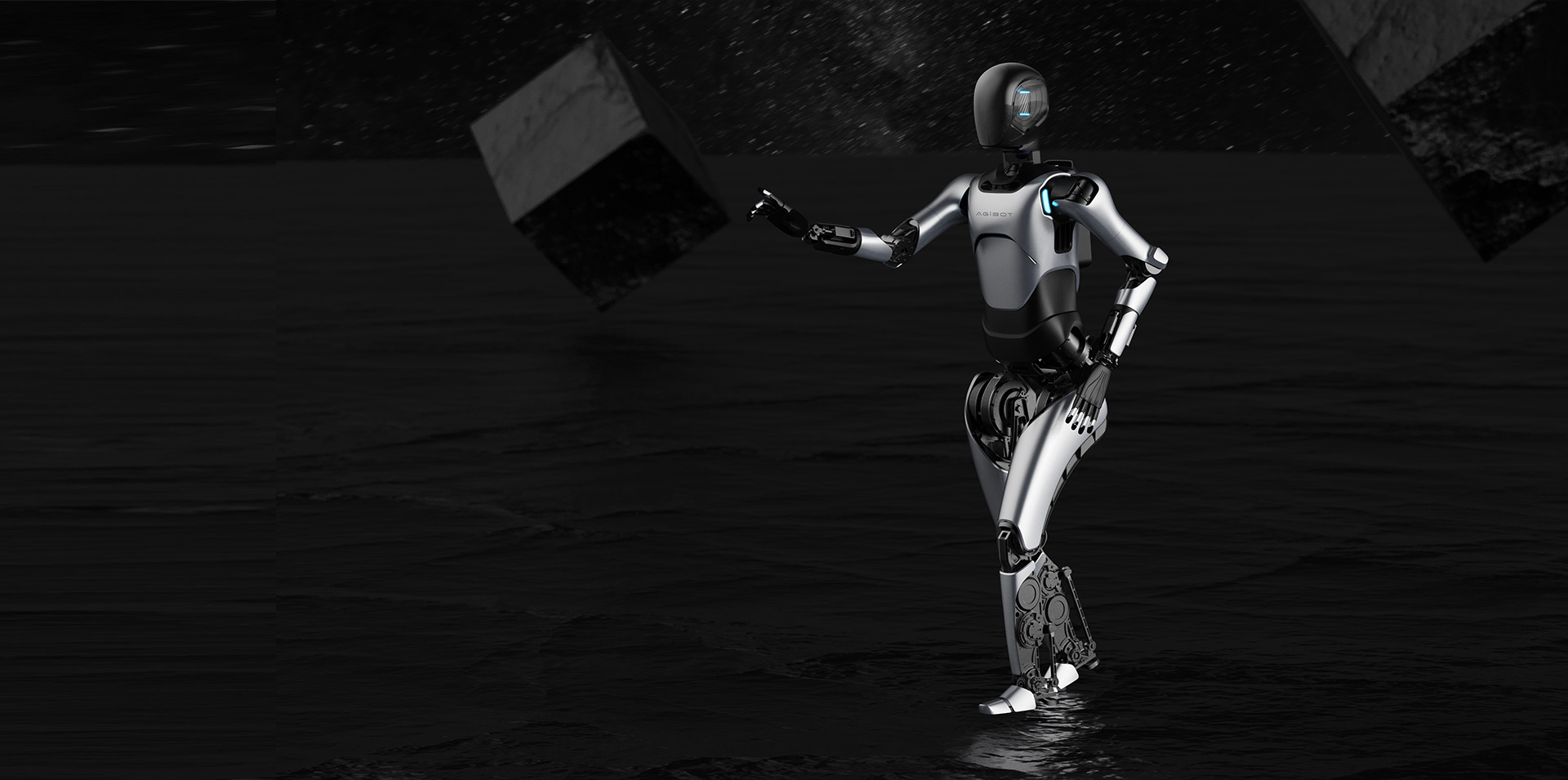
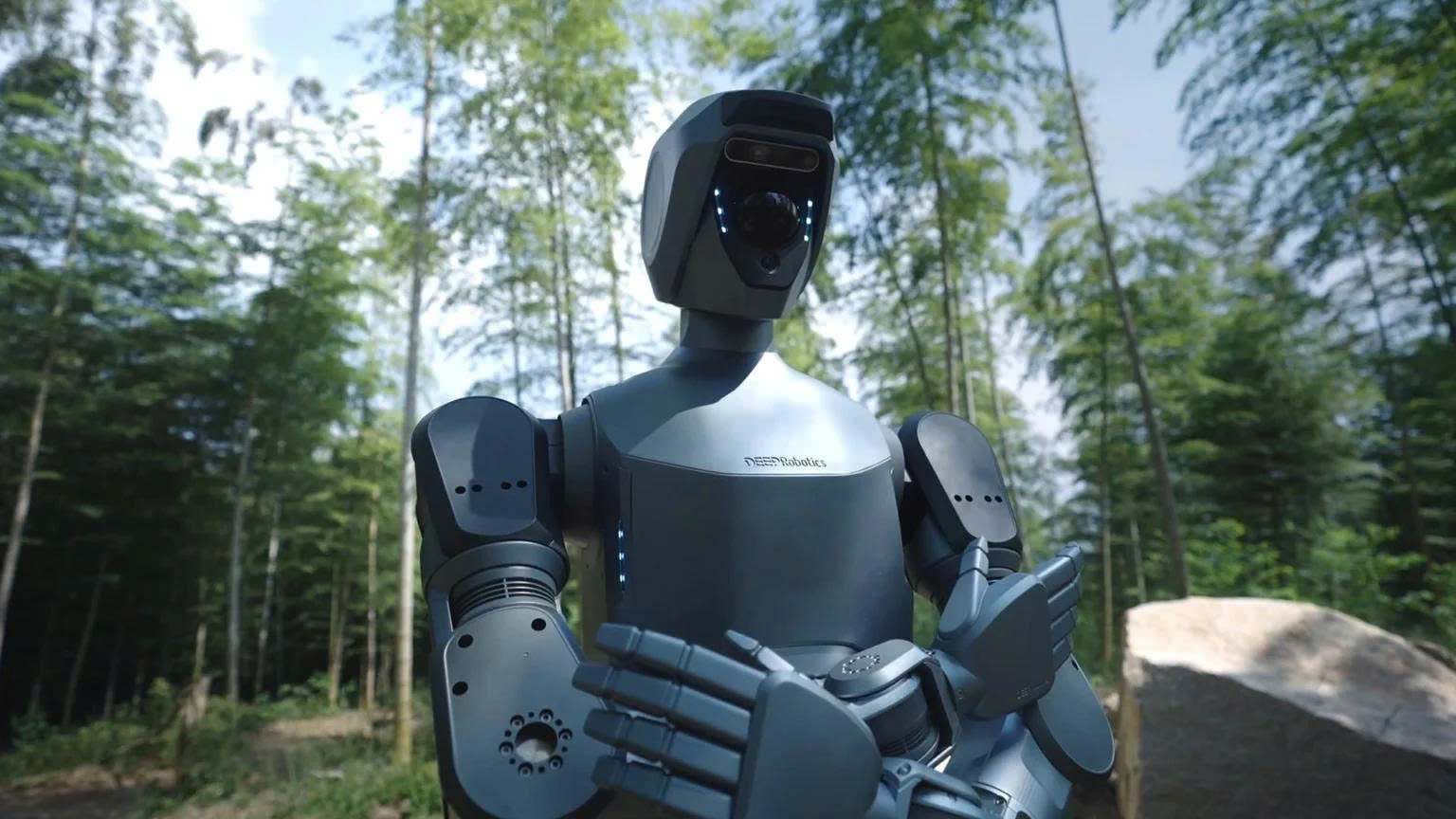
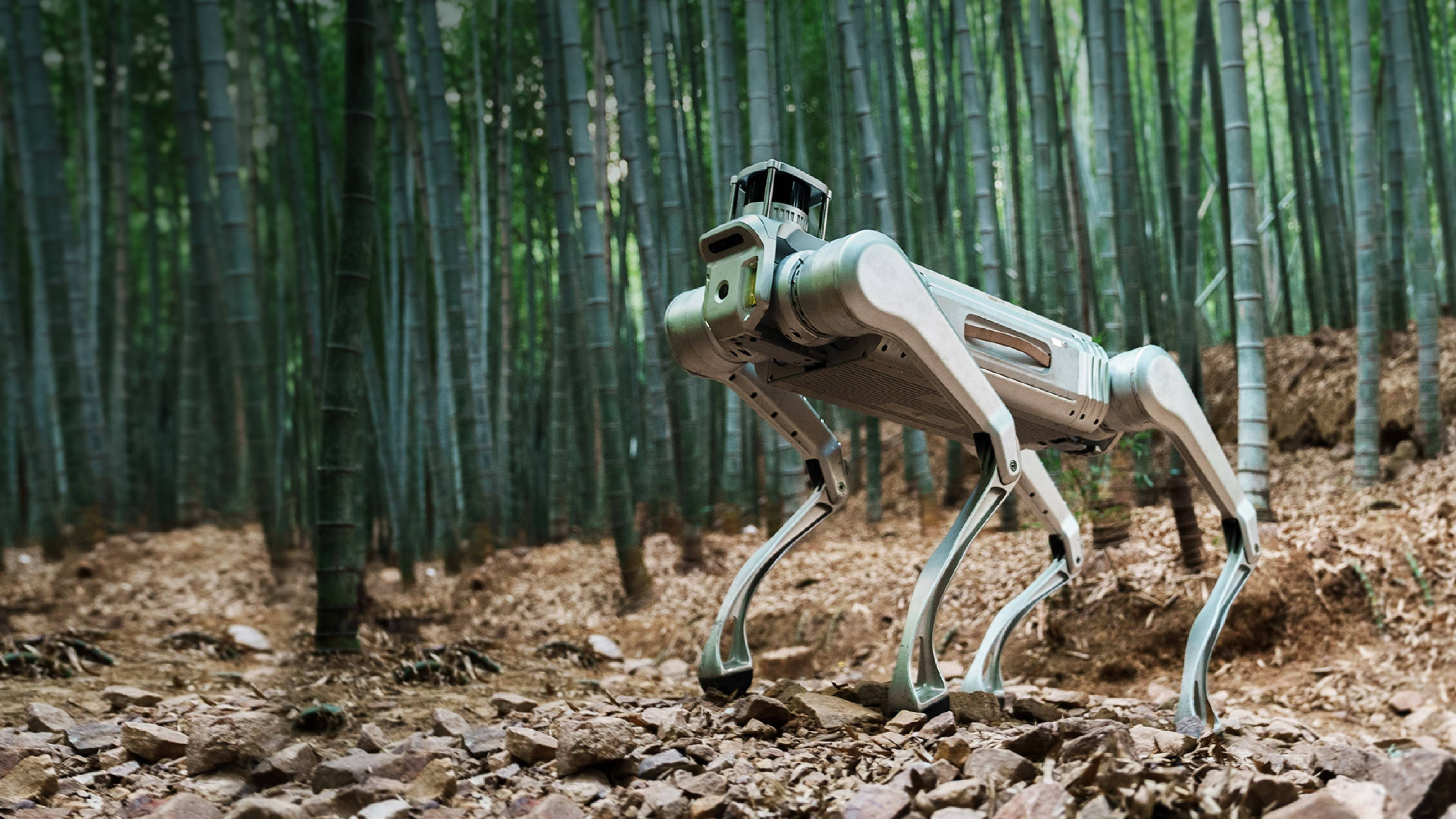
Deep Robotics operates in all-weather industrial conditions where reliability isn't optional. A verified, cross-platform skill library reduces integration risk where it matters most.
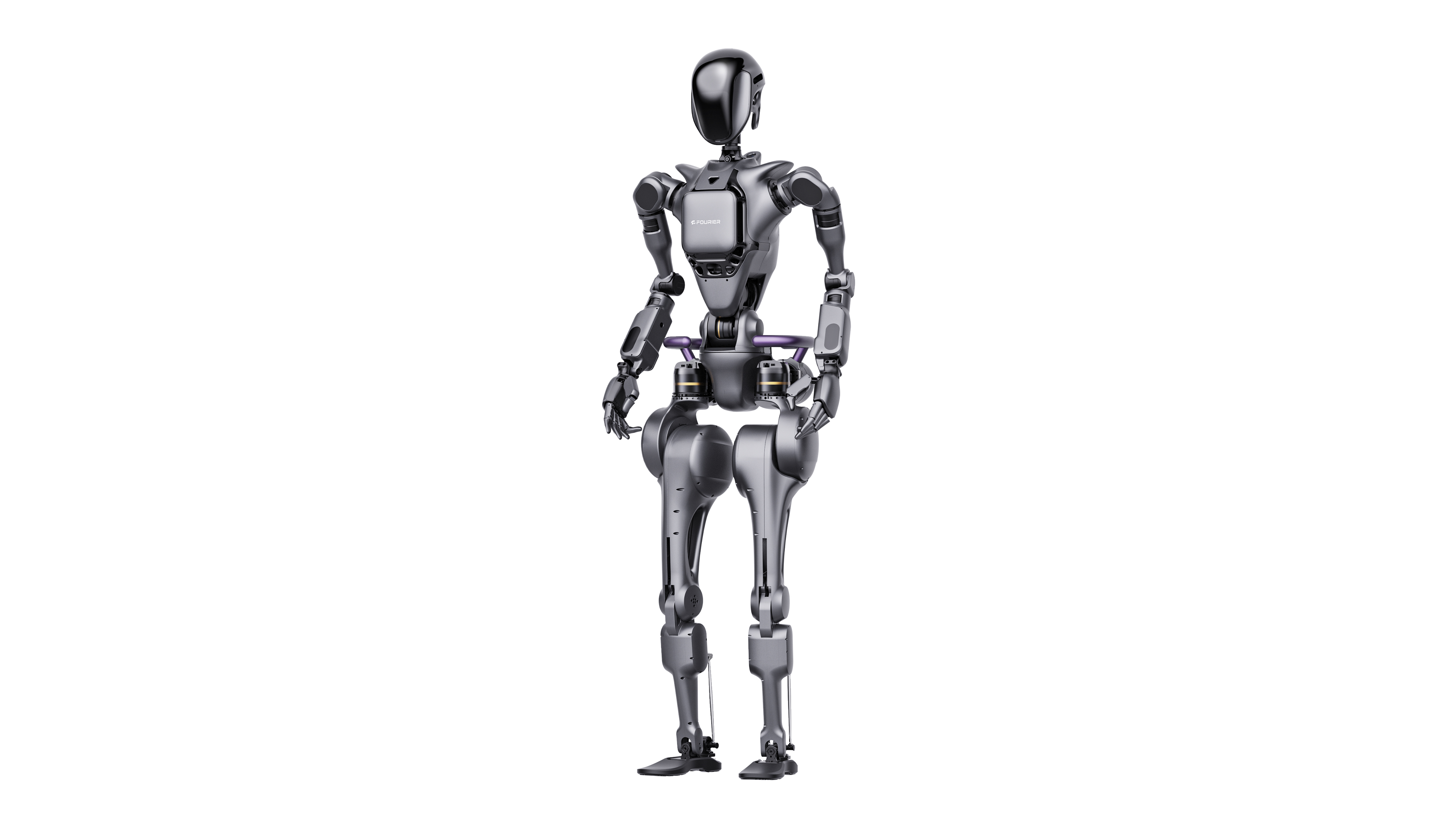
Fourier Intelligence focuses on medical and rehabilitation robotics - a space where specialized developer communities can contribute skills no single company could develop internally.
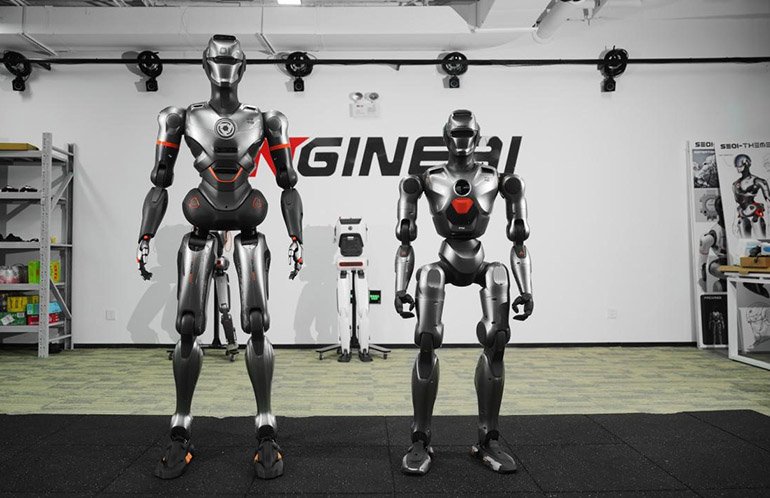
Engine AI builds for real-world mobility. Access to locomotion and navigation skills from a shared pool accelerates what would otherwise take years of internal R&D.
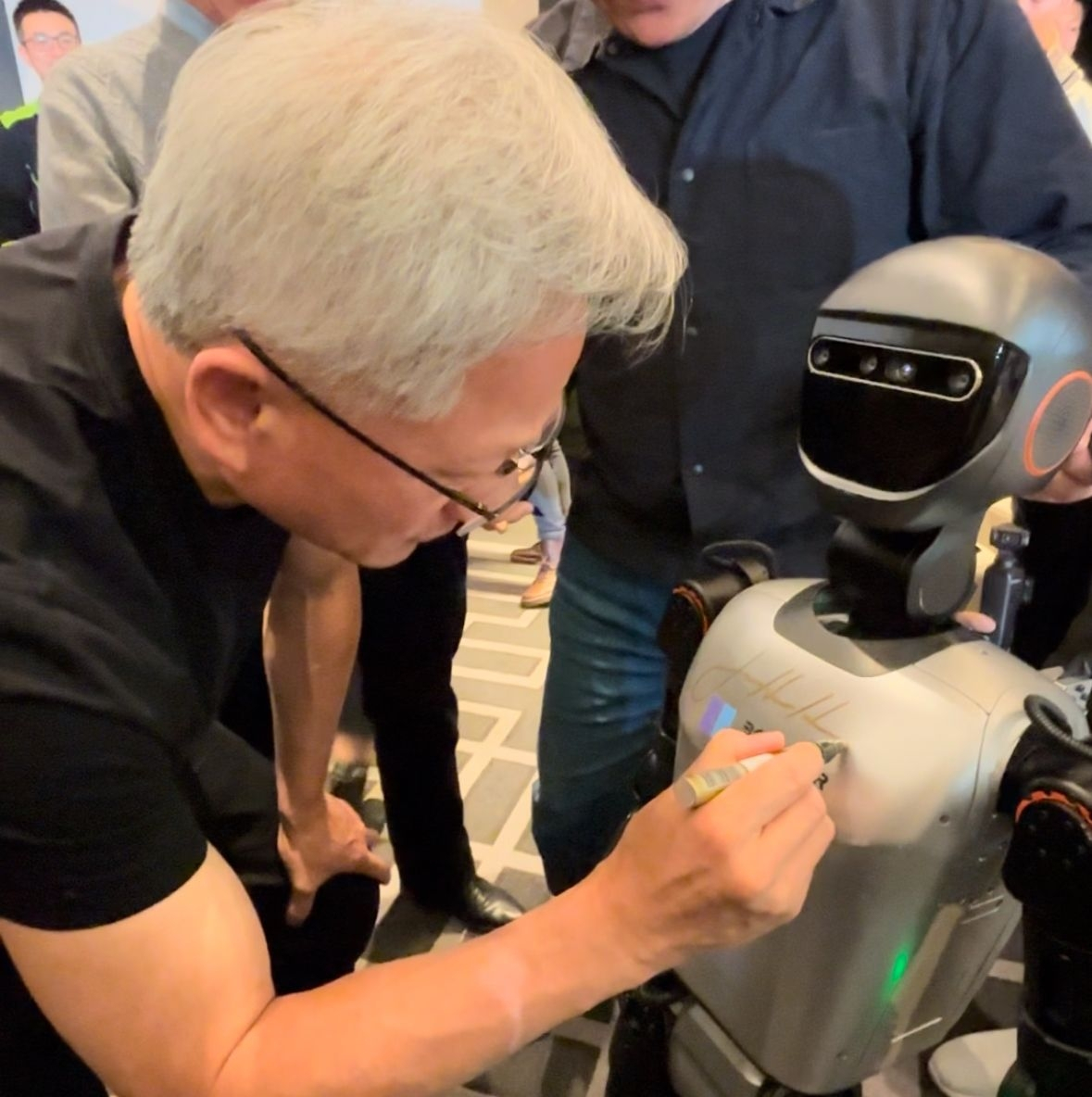
Booster Robotics pushes the performance ceiling on bipedal hardware. A common platform means performance breakthroughs get shared, not siloed.
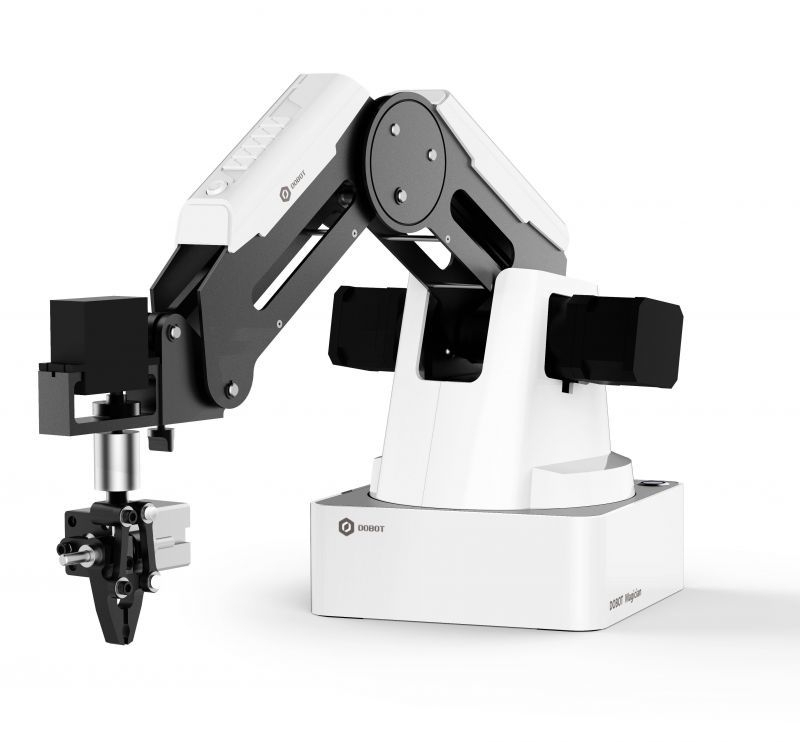
Dobot Robotics is mid-transition moving from collaborative arms into full humanoids. Joining OM1 early means building on proven infrastructure instead of improvising one.
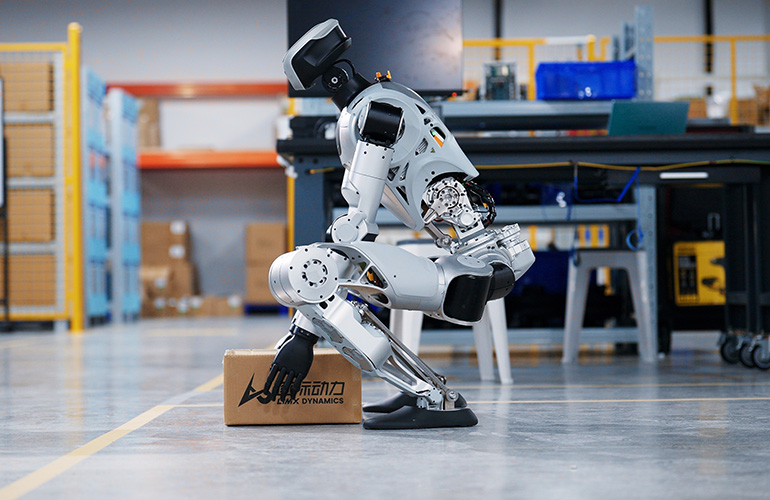
LimX Dynamics specializes in bipedal locomotion research. Being part of OM1 means contributing to and drawing from the most concentrated locomotion skill base in the industry.
MagicLab is still establishing itself in the domestic and service humanoid space. Platform credibility at this stage compounds fast.
The Strategy Nobody Is Talking About
Nine of these ten companies are Chinese manufacturers. World-class hardware. But hardware alone doesn't open global markets, ecosystems do.
OpenMind's software-first approach is designed to be that bridge. By building the open layer these companies deploy on top of, $ROBO isn't competing with any of them. It's making all of them more valuable and more globally accessible.
This is the same logic that made Android win mobile. Not by building the best phone. By building the platform everyone else built on.
The difference here: Android was built by one of the most powerful companies on earth. OM1 is being built as open infrastructure with $$ROBO t the center of the economy it creates.
Where This Goes
Ten partnerships in January 2026 is not the finish line. It's the proof of concept.
If OM1 becomes the standard operating layer for humanoid robotics and the trajectory suggests it might then every robot deployed, every skill developed, every application built on this ecosystem runs through the same infrastructure.
The humanoid era isn't a question anymore. The robots are already here.
The only question left is who owns the software layer when the industry scales.
Right now, Openmind is the most serious answer to that question.
