
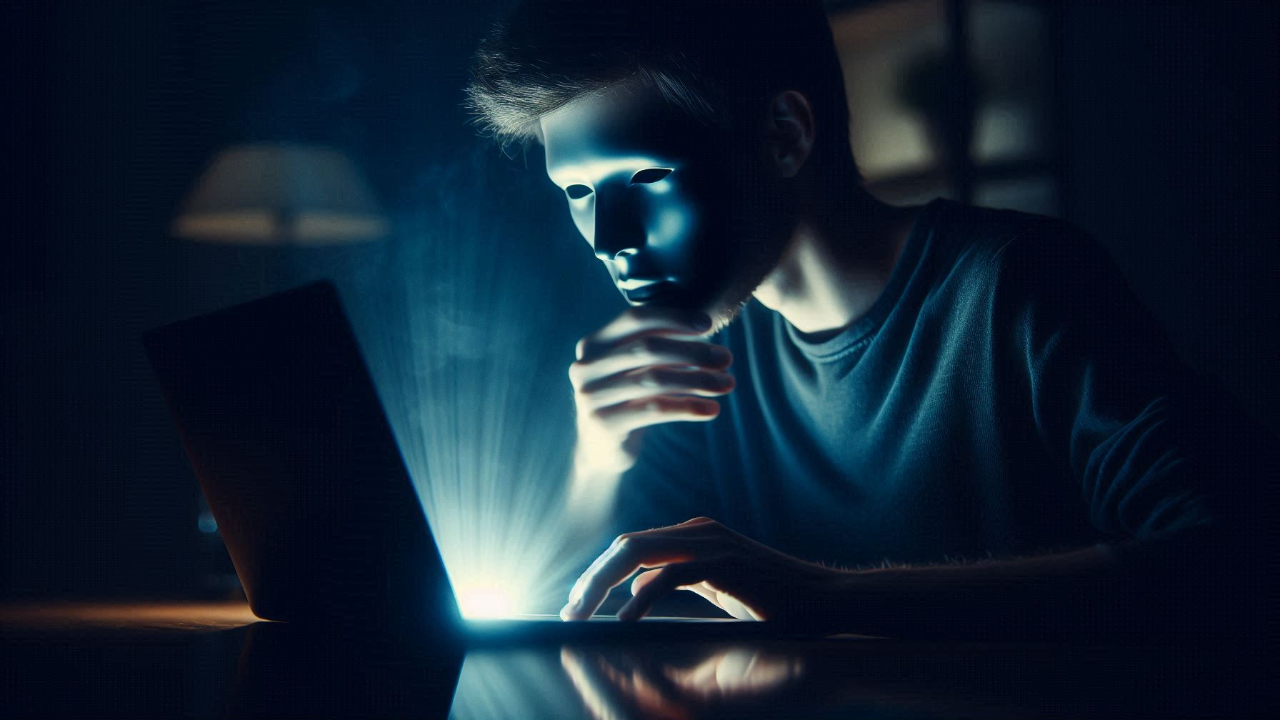

We grew up learning not to trust strangers on the street, and never accept candies from anyone. Then we learnt not to trust strangers online.
Now?
The problem is even worse.
You might be talking to someone you know… and still be talking to a scammer.
Welcome to 2026.
I wrote this after real incidents with hacked accounts, for anyone who uses social media, details below or TL;DR at the end.
🎭 The New Reality of Online Scams
It’s no longer just fake profiles with broken English and zero followers.
Today’s scammers can:
Hack real accounts
Clone profiles perfectly
Use AI to imitate voices
Act like someone you actually know
So when you see:
A familiar name
A real profile picture
Even a voice message
👉 That is NOT proof it’s really them.
⚠️ The #1 Rule (Easy to Remember)
If you can’t verify them live, don’t trust them.
That’s it. No exceptions.
Not:
“But I know them”
“But it’s their account”
“But they sent a voice message”
If you don’t verify them in real-time, assume risk.
🔍 What You Should Pay Attention To
Scammers don’t always make obvious mistakes. Sometimes it’s subtle.
Watch for:
Slightly “off” tone or writing style
Unusual urgency (“do this NOW”)
If someone always uses correct punctuation and makes no typos, it could be a sign that they use AI for translation and make an effort to write correctly.
Requests that don’t match the person’s personality
Strange links or “opportunities”
Offers for jobs/investment opportunities
Requests for codes, passwords, interviews or money
Even small things matter.
👉 If something feels off, it probably is.
🧠 Do This Before You React
If you feel even a bit suspicious:
Search parts of their message online
Check if others reported similar behavior
Look for scam patterns (they repeat a lot)
A quick search can save you time, money, accounts, and stress.
🚫 The Golden “DO NOT” List
No matter who you think you’re talking to:
DO NOT:
Click random links
Enter codes they send you
Share passwords or private info
Approve unknown requests
Send money or crypto
👉 Real people won’t pressure you like that. Scammers will.
📞 The Only Safe Move When It Matters
If it’s important:
Verify them through another channel.
Call them directly
Message them on a different platform
Ask something only they would know
And do it carefully, not through the same compromised account.
🧩 Final Thought
The biggest mistake today isn’t trusting strangers.
It’s trusting familiar names without verification.
Because in 2026… 👉 Social Identity ≠ authenticity
Stay vigilant.
🚨 What To Do When Something Feels Wrong
The moment you feel something is off - ACT immediately.
Not later. Not after “one more message.”
Immediately.
Here’s what you do:
🚫 1. Block & Report
Make sure you have activated 2FA and all security measures in your accounts.
(Remember to keep screenshots for evidence)
Don’t engage. Don’t argue. Don’t try to “figure them out.”
👉 Just block and report the account on the platform.
🤐 2. Don’t Reveal You Know
This is important.
Do NOT let them know you’re onto them.
Why?
Because:
They may escalate
They may target you differently
They may delete evidence
Silence is smarter than confrontation.
📢 3. Warn Others
Think beyond yourself.
If this is:
A hacked account
A known person
A community member
👉 Notify people who might be at risk.
A quick message can protect someone else from losing money or access.
In today’s digital world… It looks real, until it isn’t.
Why Am I Writing This?
Because this isn’t theory.
It’s happening right now.
Just 3 days ago, people I personally know had their accounts on X hacked.
They did everything right:
They warned everyone immediately
They reported the accounts
They started procedures to at least limit the damage
And yet…
👉 3 days later, the accounts are still compromised.
👉 The hackers are still sending messages.
👉 More people are being targeted every single day.
This is the reality.
Even when you act fast…
Even when you do everything correctly…
The damage doesn’t stop instantly.
And that’s exactly why YOU need to be careful.
For you, but for others too.
⚠️ Final Reminder
Trust less. Verify more.
Because the next message you receive…might not be from who you think.
⚡ TL;DR
You’re no longer just at risk from strangers online.
👉 You might be talking to someone you know, but in reality you may be talking to a scammer.
Accounts get hacked, identities get cloned, and even voices can be faked.
Rule #1:
👉 If you can’t verify them live, don’t trust them.
Watch for:
Urgency, weird requests, “off” behavior
Links, codes, opportunities, money requests
DO NOT:
Click links
Share info or codes
Send money
If something feels wrong:
Block & report
Stay cool
Warn others
📞 When it matters: verify them elsewhere.
Reality: Even real accounts of people I know are still hacked and scamming others days later.
👉 Familiar ≠ safe
Trust less. Verify more.
Because the next message you get… might not be from who you think.
This article is written with my input and help by AI so that it is written in a reader-friendly way.
Thank you for reading, please stay safe