
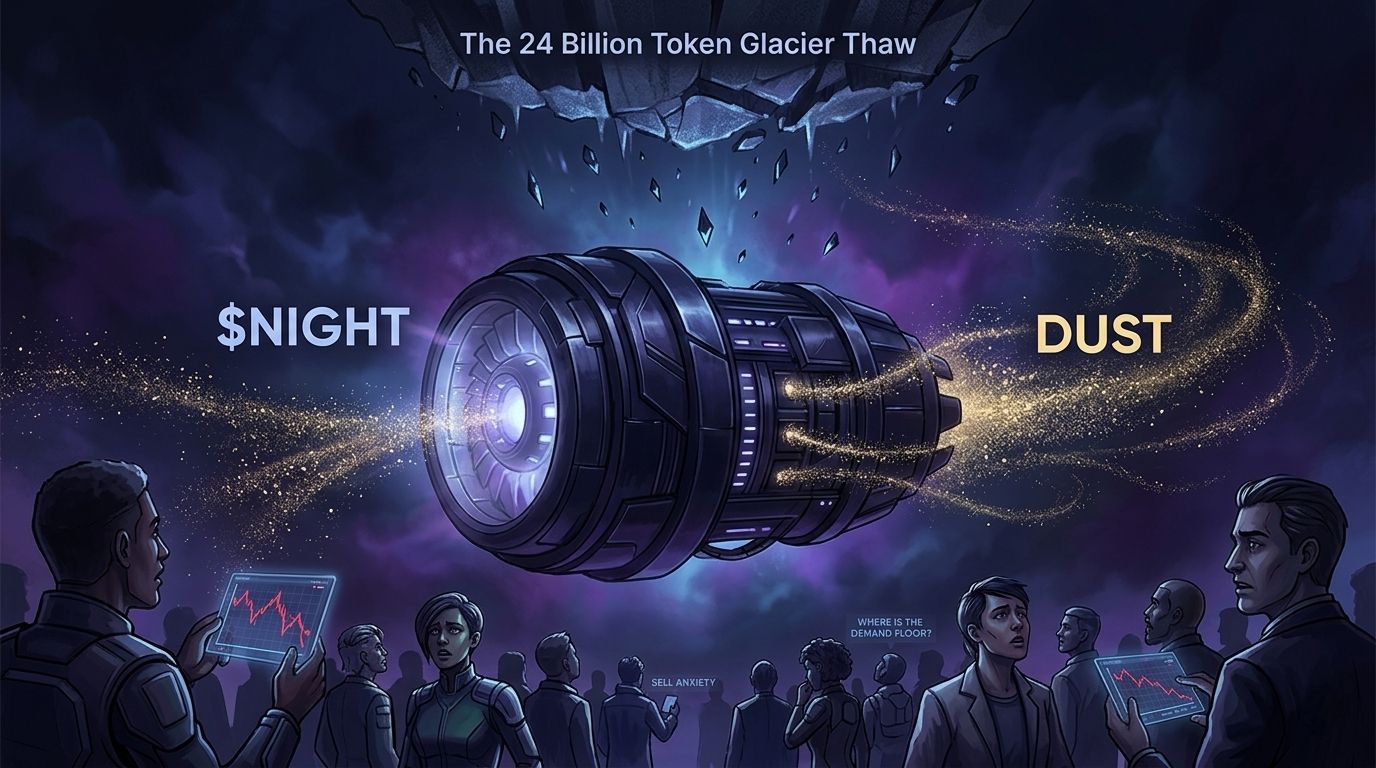
Hi gyuss, How are you hope everyone doing well. Tosdy will discuss an interesting topic about the Midnight Network and it's dual token Model. In the world of blockchain there is a bold experiment called the Midnight Network. Think of it as a massive engine designed for one purpose which is total privacy. To make this engine work the creators used a two-part system that separates the value of the network from the cost of using it.
The Engine and the Fuel
The system uses two different tokens. First there is NIGHT which represents the machine itself. When you hold NIGHT it automatically generates DUST. DUST is the actual fuel you use to send private messages or verify identities.
The idea is brilliant because it keeps fees stable. If you want to use the network for business you do not want the price of a stamp to change every hour. By holding the machine you get a steady supply of fuel.
The Shadow of 24 Billion
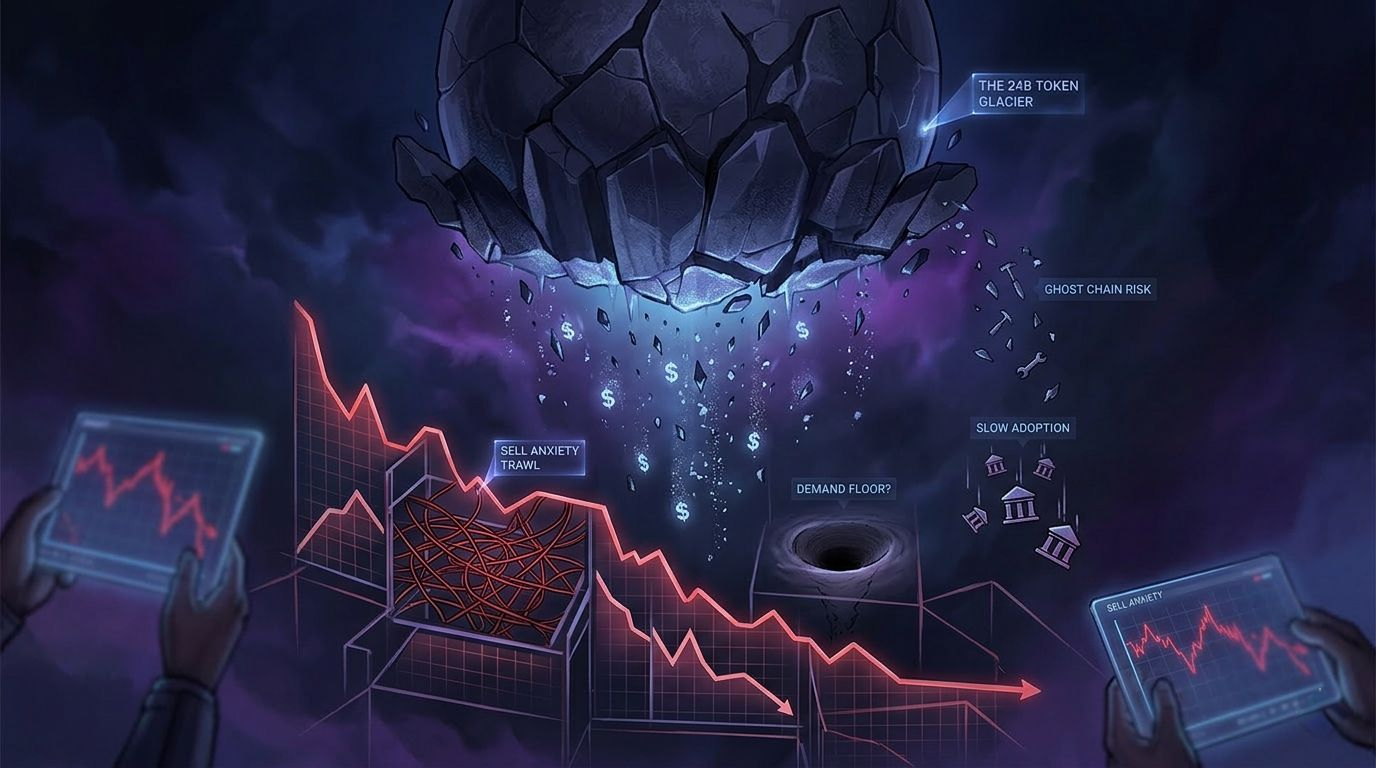
However a major challenge lies in the numbers. There are 24 billion NIGHT tokens in total. To prevent a massive price crash the network releases these tokens slowly over time. The team calls this a Glacier Thaw.
While this sounds safe on paper it creates a lot of stress for traders. Investors feel like they are standing under a sky where tokens could fall at any moment. This uncertainty leads to Sell Anxiety because no one knows exactly when the next big wave of tokens will hit the market.
The Human Element
The biggest risk is the gap between math and reality. The whitepaper assumes that big institutions will rush to buy NIGHT so they can get DUST for their private data needs. But in the real world big companies take years to adopt new tech while speculators arrive on day one.
If developers use the easy coding language called Compact to build apps that nobody actually uses the network will be flooded with DUST that has no buyers.
The Midnight Network is essentially a race. It needs to find real users who actually need privacy before the massive supply of tokens overwhelms the demand. If the fuel becomes worthless because no one is using the apps then the machine might lose its value too.
The project is trying to solve a human problem with math but the market only cares about one thing. Is there enough real demand to soak up all those billions of tokens?