
Look, I’ve seen this pattern before.
Something new shows up, people squint at it, don’t immediately get it… and then label it “overhyped” or “too niche.” Easy shortcut. Saves thinking.
This project? Same story.
Most people glance at it and go, “oh, another ZK chain.”
And I get why. On the surface, that’s exactly what it looks like.
But honestly… that’s not the real story.
The Misconceptions (aka where people get it wrong)
Misconception One: “Privacy chains don’t get real adoption”
Here’s the thing.
Old-school privacy chains forced you into a corner:
Be fully anonymous → regulators panic
Be fully transparent → users lose control
Pick your poison.
ZK flips that whole setup.
You can prove something is true… without showing the underlying data.
Simple example:
You prove you paid a hospital bill. Cool.
But you don’t expose your diagnosis, your treatment, your entire life story.
That’s where it gets interesting.
This isn’t against regulation. It actually fits with it.
People just haven’t caught up yet.
Misconception Two: “It’s too complicated”
Yeah, no argument ZK is complex.
But so is the internet.
And you’re not sitting there thinking about packet routing when you send a message.
Same idea.
Good tech hides the mess:
Devs handle the proofs
Users tap buttons
That’s it.
So the real issue isn’t “it’s too complex.”
It’s that UX isn’t there yet.
And honestly? That’s normal. It always lags.
Misconception Three: “The token doesn’t really do anything”
This one… people don’t talk about properly.
If there’s a dual-token model, it’s not random design. It’s intentional.
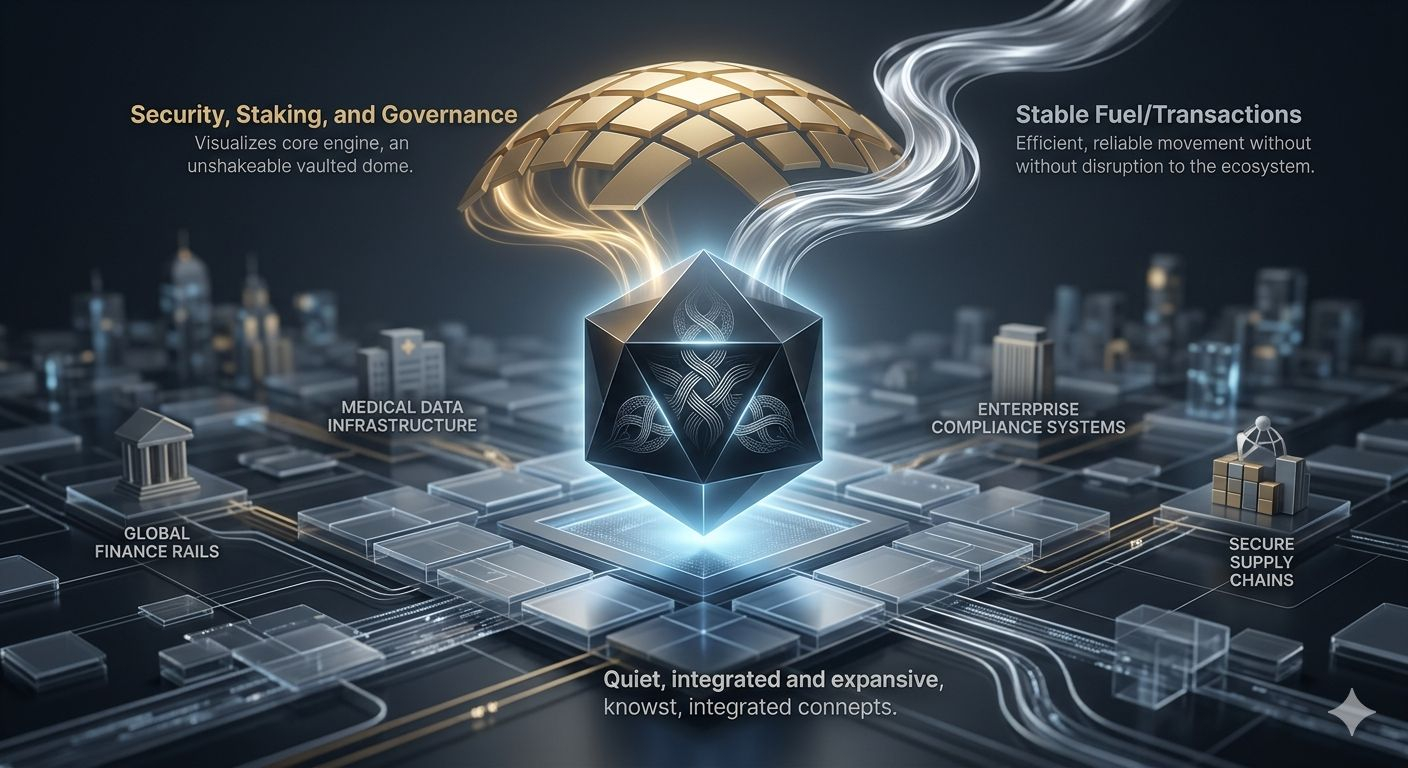
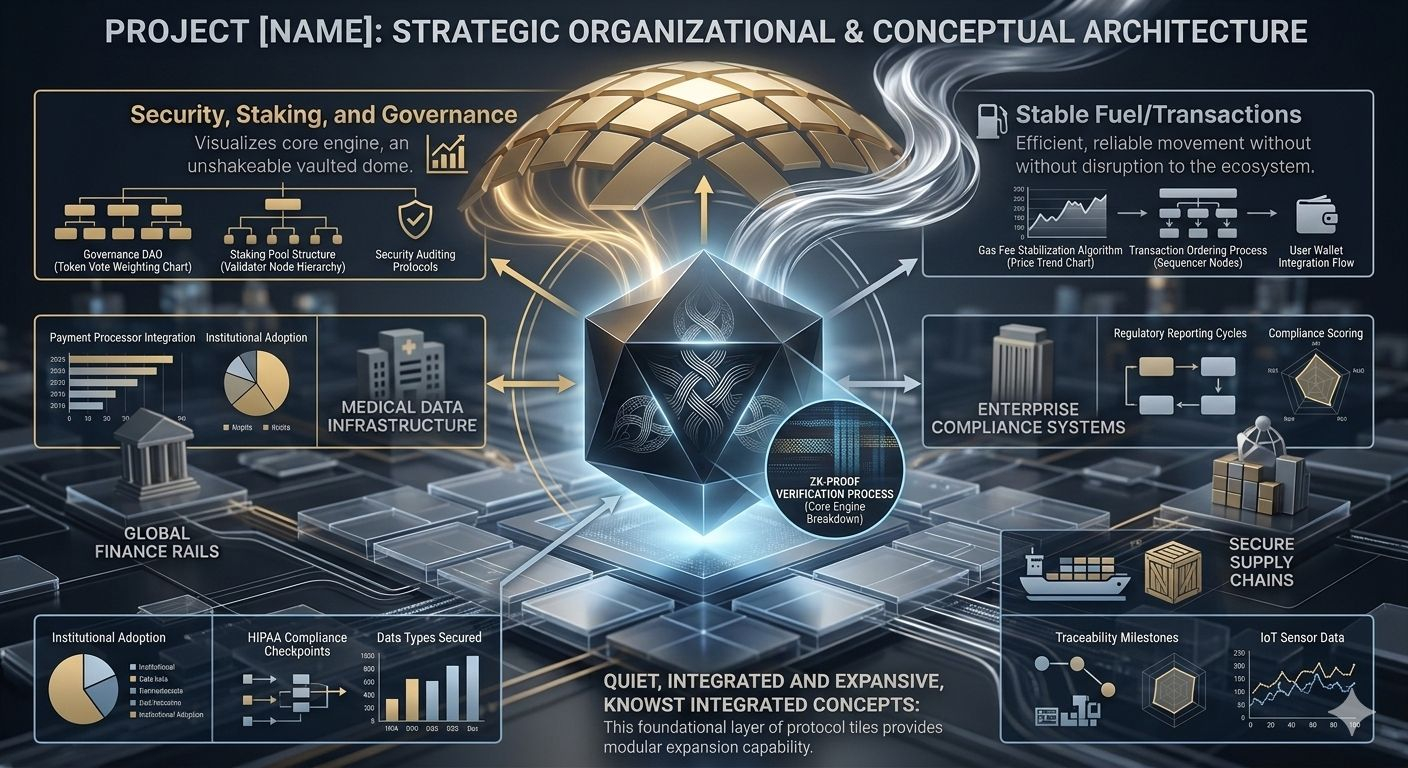
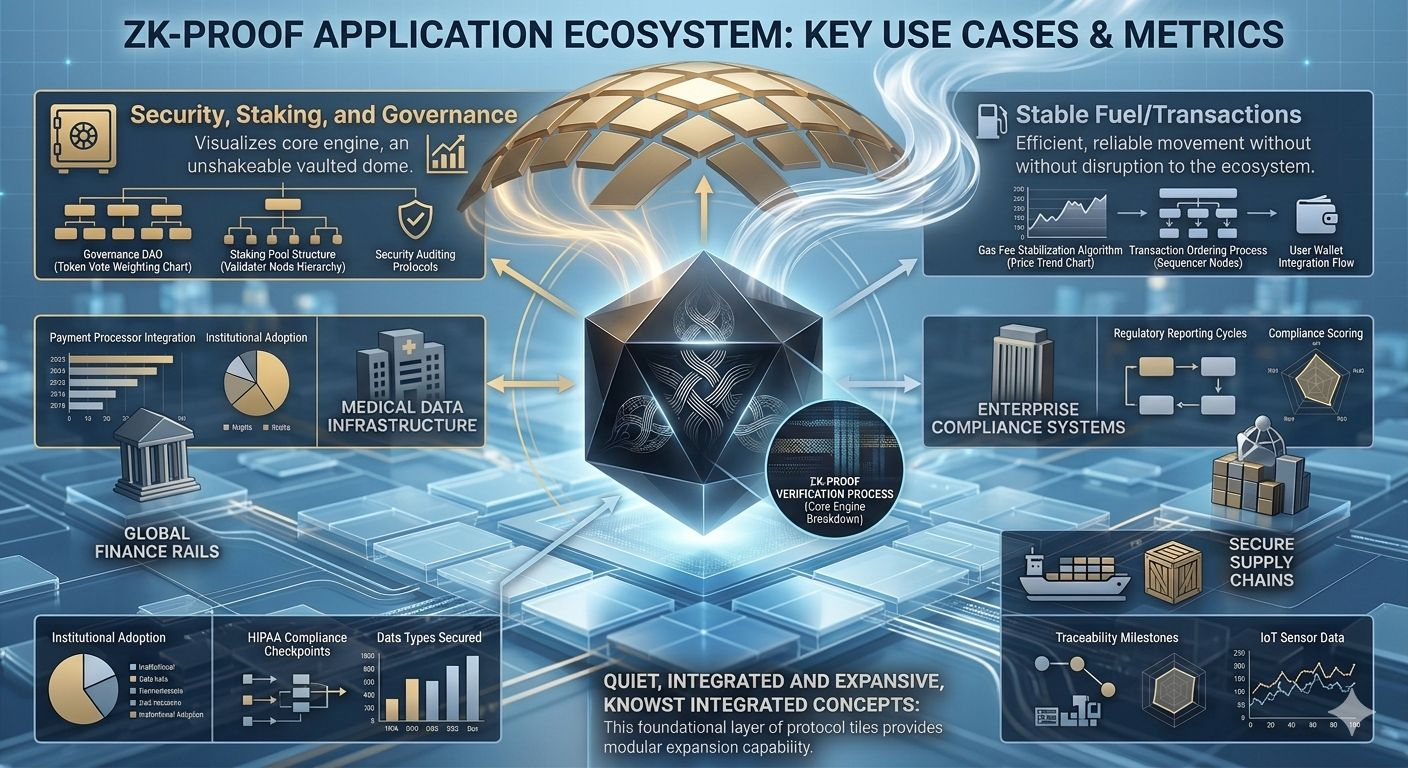
One token holds value, secures the network, handles governance
The other acts like fuel sometimes not even transferable
Why split it?
Because mixing speculation with usage usually breaks things.
You either get:
Fees going crazy
Or usage dying
This structure avoids that mess.
It’s boring, disciplined design.
And yeah boring usually wins long-term.
Misconception Four: “Privacy is niche”
Let’s be real for a second.
Who actually believes this?
Hospitals don’t want patient data public
Banks don’t want every transaction exposed
Companies definitely don’t want competitors reading their internal flows
This isn’t niche. This is… everything.
We’re talking:
Healthcare
Finance
Supply chains
Multi-trillion dollar systems.
And people are still comparing this to random small-cap coins.
Doesn’t make sense.
So how does it actually work?
Alright, zoom in.
ZK proofs (the core engine)
You prove something is valid.
You don’t show the raw data.
That’s the whole magic.
Like proving you’re over 18 without handing over your ID.
Clean. Efficient. Makes sense.
Dual-token setup (if the project uses it)
This part matters more than people think.
One token:
Security
Staking
Governance
Second token:
Powers transactions
Keeps costs stable
Result?
Developers don’t get wrecked by volatile fees.
The network doesn’t turn into chaos during hype cycles.
It’s controlled. Deliberate.
Compliance + privacy (this is the underrated piece)
I’ll be honest this is where most people completely miss the point.
They assume privacy means being against regulation.
But here’s what’s actually happening:
You can audit proofs
You can selectively reveal data when needed
So yeah, you get privacy…
But you also get accountability.
That balance? Rare.
Bigger picture it’s not just one chain
Serious projects don’t stay isolated. Ever.
If you’re paying attention, you’ll notice moves toward:
Cross-chain communication (think LayerZero-type setups)
Modular systems
Developer ecosystems
Why?
Because users don’t live on one chain.
Liquidity doesn’t either.
The future isn’t chains competing.
It’s chains coordinating. Quietly.
The part people really underestimate
Everyone keeps comparing this to other ZK projects.
Wrong comparison.
You should be thinking:
Global finance rails
Medical data infrastructure
Enterprise compliance systems
That’s the playing field.
Even tiny adoption from those sectors?
That’s massive demand.
People don’t zoom out enough. That’s the issue.
Let’s not pretend it’s perfect
There are real challenges.
ZK computations are still expensive
Dev tools aren’t fully polished
Most people don’t understand how this works
And yeah, that slows things down.
But I’ve seen this before.
These are engineering problems.
Not broken ideas.
Big difference.
What I actually think
Alright, straight up.
I don’t see this as a quick cycle trade.
Never did.
This feels like infrastructure. Slow. Quiet. Important.
The market right now is stuck in this outdated mindset:
> privacy vs compliance
But this project?
It’s building:
> privacy + compliance
That shift is subtle. But it changes everything.
And that’s really the point
The market usually ignores this kind of design…
Until it can’t anymore.
@MidnightNetwork #night $NIGHT
