

I have been observing the movements of capital on-chain for years, long enough to recognize the patterns that many overlook. There is a subtle erosion of value that occurs when systems reward behavior that looks good on charts but fails in practice. Traders, investors, and liquidity providers often find themselves reacting to incentives that were never designed with real-world efficiency in mind. I have seen how this leads to wasted capital, early exits, and strategies that burn more energy than they create. The Global Infrastructure for Credential Verification and Token Distribution is not flashy. It does not promise instant gains or viral adoption. Instead, it addresses the structural inefficiencies that silently undermine decentralized finance.

I understand that in most DeFi projects, growth is measured by raw numbers: liquidity locked, daily volume, total users. But I have learned that these metrics often hide underlying fragility. Traders are routinely forced to sell at the worst moments, governance structures reward participation over judgment, and protocols can appear healthy while silently compounding hidden risks. I have watched entire cycles where smart contracts executed perfectly, yet human behavior and misaligned incentives turned potential gains into opportunity costs. I see this project as a deliberate attempt to reduce those invisible leaks, not through hype, but by structuring token distribution around verified credentials.
I have thought deeply about why credential verification matters. On the surface, it seems technical, almost bureaucratic. But I have seen firsthand the chaos that emerges when eligibility is treated as optional or symbolic. Without verification, systems inadvertently favor the most reactive participants—the ones chasing trends, not the ones building sustainable positions. I have watched liquidity pools fluctuate wildly because incentives encouraged short-termism, not because of market fundamentals. When tokens are distributed based on verified credentials, I believe we can begin to slow that friction and create an environment where capital is allowed to stay in positions that make sense in the long run.
I am not blind to the criticism that such systems can feel restrictive. I have heard the argument that adding verification adds complexity or reduces participation. I have wrestled with that tension myself, and I have come to recognize that the cost of unverified distribution is far higher. When systems fail to differentiate between participants with real commitment and those merely present, the market pays for it quietly. Opportunity costs accumulate. Risk becomes opaque. Governance suffers. I see credentialed distribution not as a gatekeeping mechanism but as a guardrail that protects participants from both themselves and systemic fragility.
I have studied governance models across DeFi projects extensively. I have seen proposals that looked brilliant in theory crumble under the weight of human inconsistency. Voter apathy, poorly informed participation, and ephemeral enthusiasm can all create a governance illusion—a system that looks engaged but fails when decisions matter. I believe this project’s integration of verified credentials directly into token distribution is a subtle but powerful way to strengthen governance indirectly. When eligibility and trustworthiness are embedded in the system, the participants are not only accountable but aligned, and I see that alignment as a prerequisite for any durable protocol.
I have observed cycles where losses are not caused by technology but by misaligned human behavior. I have seen liquidity providers abandon pools during temporary volatility, only to return at a worse price. I have watched projects with carefully constructed tokenomics implode because they ignored the friction between incentive design and real human decision-making. I believe that credential verification addresses these frictions by making certain behaviors less costly and others more aligned with the long-term health of the system. It is not a perfect solution—no protocol ever is—but I have come to understand that small, structural improvements can compound into meaningful resilience over multiple cycles.
I have reflected on the emotional toll these inefficiencies create. I have talked to traders who describe constant stress, forced timing of exits, and a feeling of being pushed by incentives they cannot control. I have seen the same in myself when evaluating projects that look perfect on paper but fail to deliver in real-world conditions. I think about how a protocol that incorporates verification can reduce that cognitive friction. When participants know that token allocation is aligned with verified commitment, I believe they can make decisions that are more rational, less reactive, and ultimately less costly.
I have also considered the broader systemic implications. I have noticed that wasted capital, early exits, and fragile governance are not isolated phenomena—they propagate through the ecosystem. I have seen projects that fail quietly, taking users’ trust with them. I have observed cycles where collective behavior amplifies hidden risks, leading to cascading effects that few anticipated. I believe this protocol matters precisely because it addresses these hidden pressures head-on. By connecting token distribution to verifiable credentials, I think it creates a framework where trust is not just aspirational but operational, where incentives and verification work in concert.
I have questioned whether this approach can truly scale. I have reviewed similar systems that faltered under operational complexity or slowed participation. But I have also learned that resilience often demands patience, not speed. I believe that embedding verification into the core of distribution is a way to slow down the compounding of hidden risks without halting utility. I think of it as adding a subtle but crucial layer of discipline to a market that too often rewards the reactive over the reflective.
I have come to a quiet conclusion: what matters in decentralized finance is not just growth or adoption, but alignment, prudence, and the preservation of capital. I have seen cycles where instant gratification overshadowed structural health, and the consequences were real. I believe that by verifying credentials and linking them to token distribution, this protocol is addressing one of the slow, persistent drains that erode DeFi over time. It does so without spectacle, without hype, and without promising quick wins. That restraint is itself a signal that the system is designed with observation, reflection, and real-world consequences in mind.
I have witnessed the costs of poorly aligned systems enough to appreciate the subtlety of what this protocol offers. I see it as a quiet infrastructure that does not shout but matters because it corrects invisible inefficiencies, preserves capital, and encourages behaviors that make sense beyond a single cycle. I have learned that these are the kinds of improvements that compound quietly into long-term resilience.
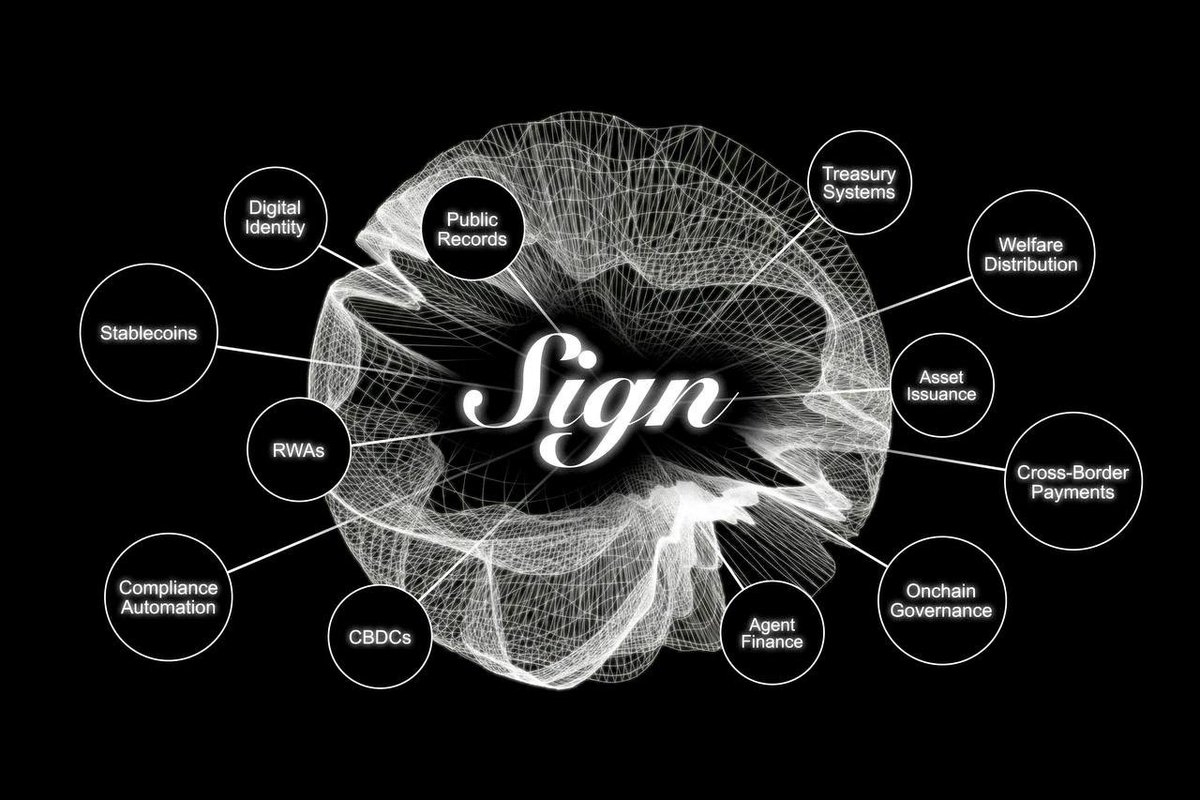
@SignOfficial #SignDigitalSovereignInfra $SIGN
