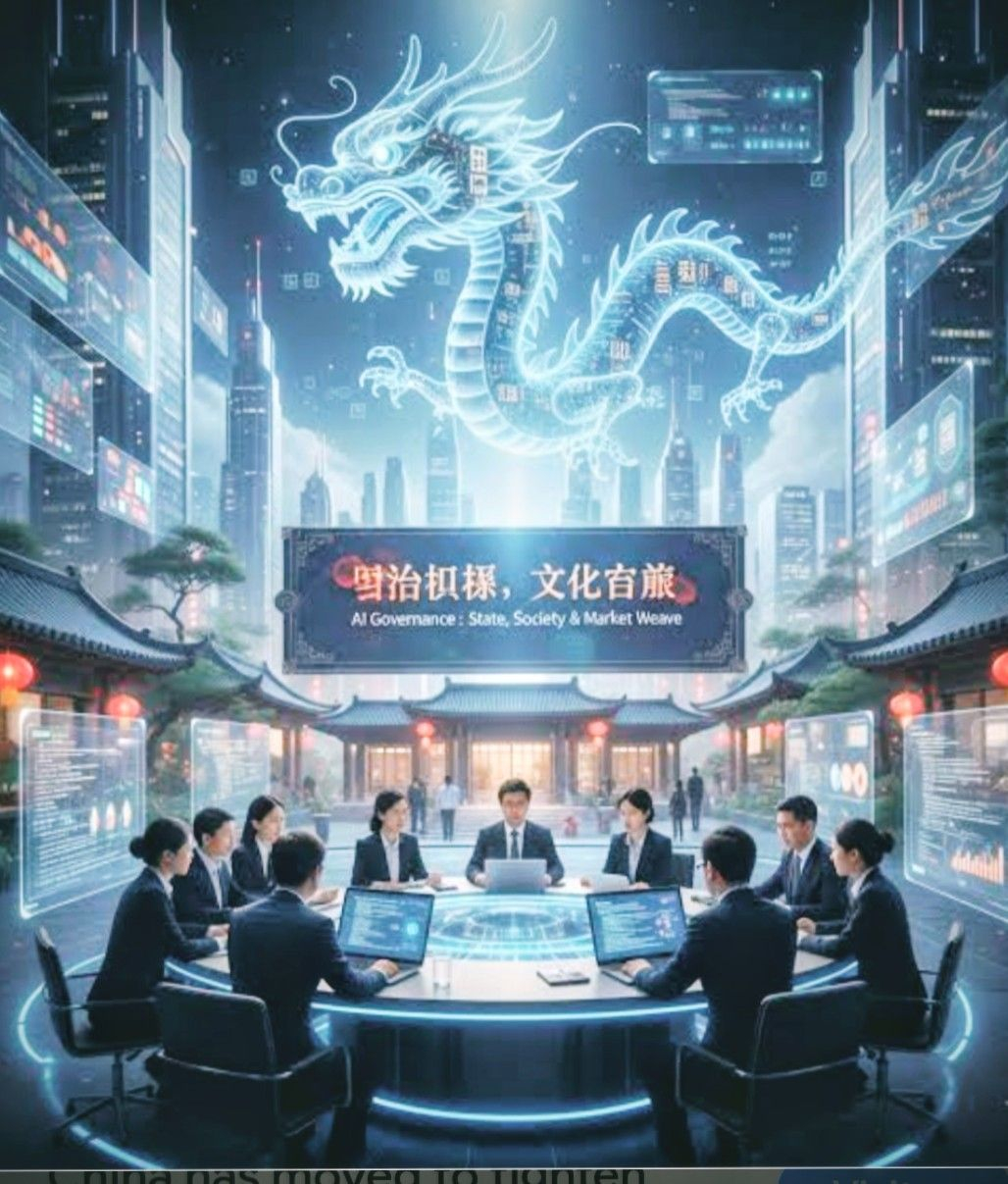
As the global digital economy accelerates into a new era of decentralized finance and open blockchain ecosystems, China has taken a markedly different path—one defined not by openness, but by control, structure, and long-term state strategy#night
While much of the world embraces cryptocurrencies like Bitcoin and Ethereum as symbols of financial freedom and borderless exchange, China continues to enforce a strict ban on crypto trading and mining within its mainland. This position, often misunderstood as resistance to innovation, is in fact a deliberate move to reshape digital infrastructure on its own terms.@MidnightNetwork
China is not rejecting the future—it is redesigning it.
At the core of this strategy lies a strong endorsement of blockchain technology, separate from cryptocurrency speculation. Government-backed blockchain initiatives are being deployed across industries, from supply chain logistics to digital identity systems. These networks prioritize transparency, traceability, and centralized oversight—offering efficiency without relinquishing control.
The centerpiece of China’s digital ambition is the digital yuan (e-CNY), a central bank digital currency designed to modernize payments while maintaining full regulatory authority. Unlike decentralized cryptocurrencies, the e-CNY operates within a controlled ecosystem, allowing real-time monitoring of transactions and enhanced financial governance. Its rollout across major cities and integration into everyday transactions signal a future where digital payments are seamless, but not anonymous.
Beyond domestic use, China is actively exploring cross-border digital currency systems. These initiatives aim to reduce dependence on traditional financial infrastructure like SWIFT and the U.S. dollar, positioning China as a key player in the next generation of global financial networks. Quietly, a new kind of “network” is emerging—one built not on decentralization, but on strategic alignment and state coordination.
Hong Kong plays a unique role in this vision. As a regulated crypto-friendly hub, it serves as a controlled gateway between China and the global digital asset market. This dual-structure approach allows China to observe, adapt, and engage with international trends without compromising its internal regulatory stance.
In contrast to the open, permissionless ethos of Web3, China’s model represents a parallel evolution: a state-centric digital ecosystem where innovation operates within defined boundaries. It is not a rejection of progress, but a recalibration of power within the digital age.
As the world builds networks driven by decentralization, China is constructing a digital framework rooted in sovereignty and control. The result is not a slower future—but a different one.
In the silent hours of the global “night network,” China is not absent. It is simply operating on its own frequency.$NIGHT