
I’ll be honest — nothing about “data structure” sounds exciting.
It doesn’t trend. It doesn’t pump narratives. It doesn’t give you that instant feeling of “this changes everything.”
But the more time I spend looking at $SIGN, the more I feel like we’ve all been looking at the wrong layer.
Because crypto doesn’t struggle with innovation.
It struggles with coherence.
Most apps today feel like they work… until they have to talk to something else.
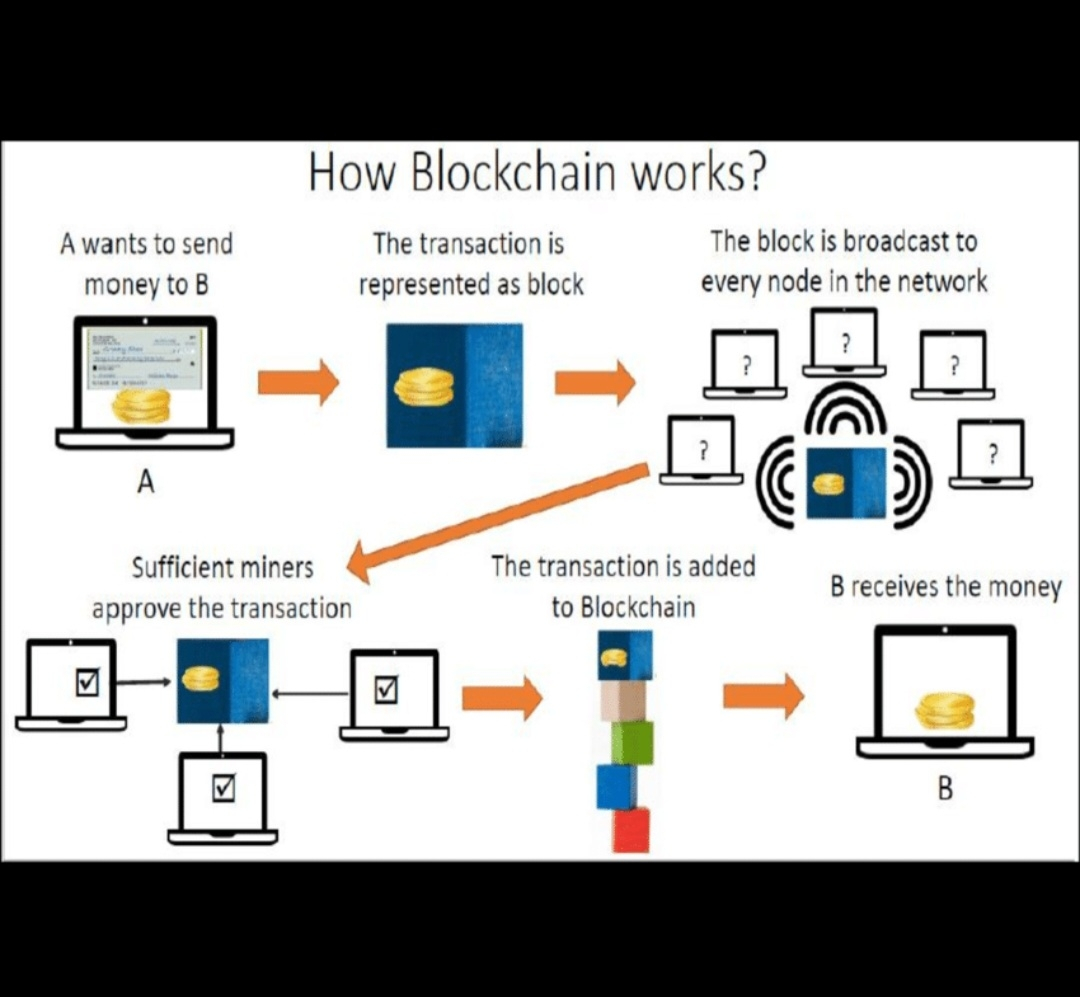
That’s where everything starts breaking.
Different formats. Different assumptions. Different ways of storing the same thing. And suddenly what should be a simple interaction turns into a mess of custom logic, patches, and workarounds.
Developers don’t talk about this enough, but it’s everywhere.
You’re not building on a shared system.
You’re constantly translating between systems.
And that’s the part that changed how I look at $SIGN.
It’s not trying to build another product.
It’s trying to make sure everything else can actually understand each other.
Through schemas.
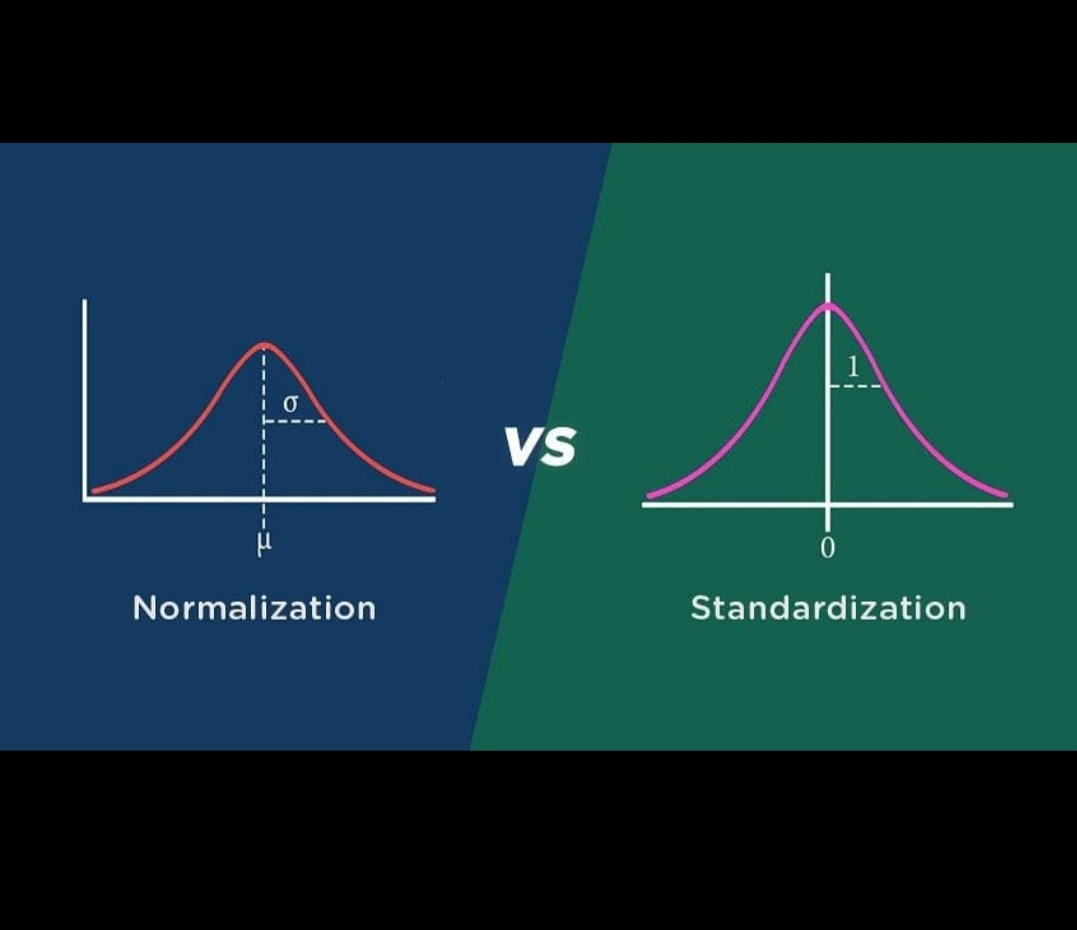
Not flashy. Not complicated. Just… consistent.
At first, it feels small.
Like, okay — structured data, sure. That’s useful.
But then you start thinking about what that actually unlocks.
If every app is reading and writing data in the same way, integration stops being a problem. New products don’t have to rebuild context. Systems don’t need constant translation layers.
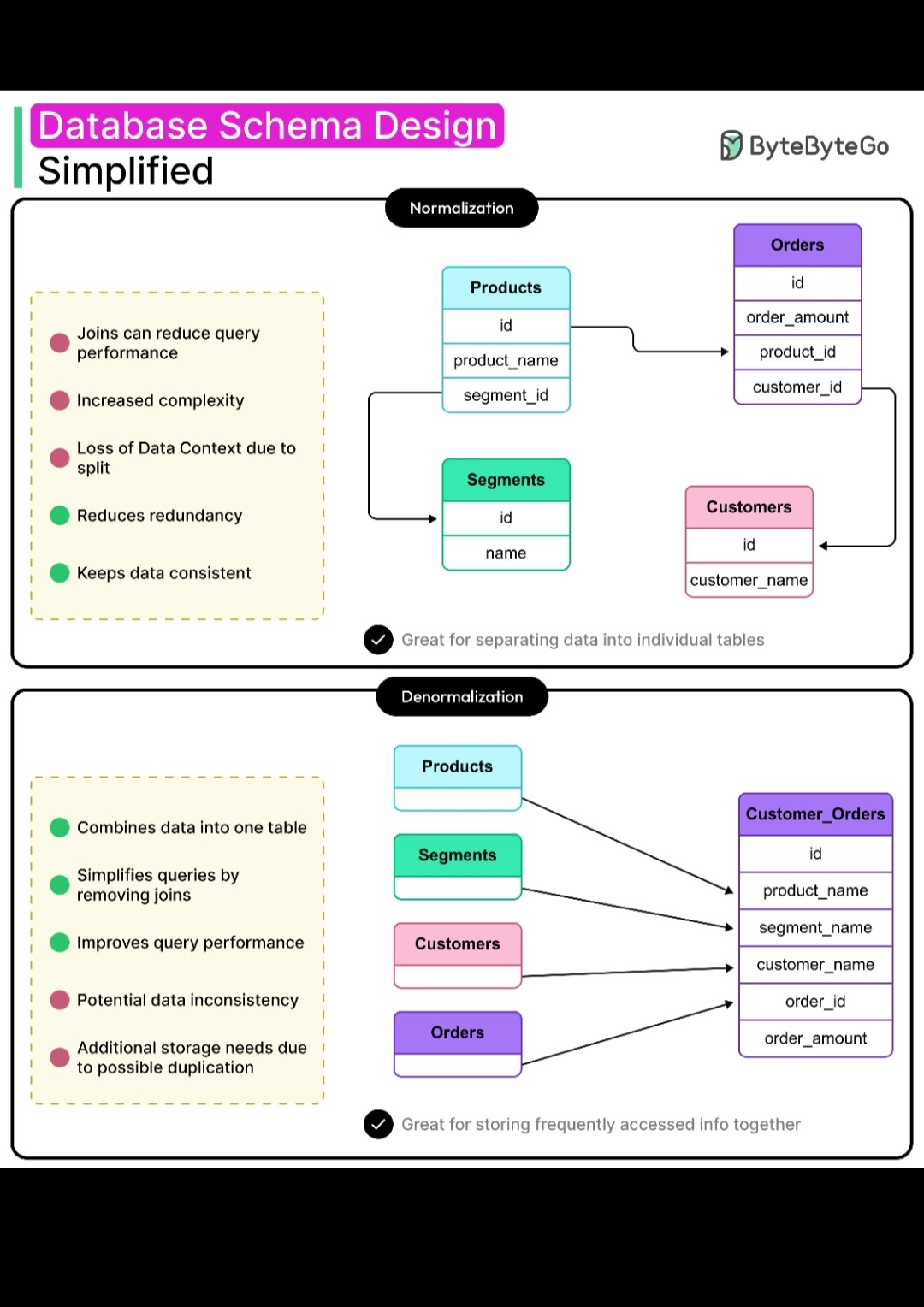
Things just… connect.
And that’s when it clicks.
This isn’t about better data.
It’s about removing friction that shouldn’t exist in the first place.
The deeper implication is even more interesting.
Because once data becomes consistent, it becomes machine-friendly by default.
Not “AI-enabled” in a marketing sense — actually usable.
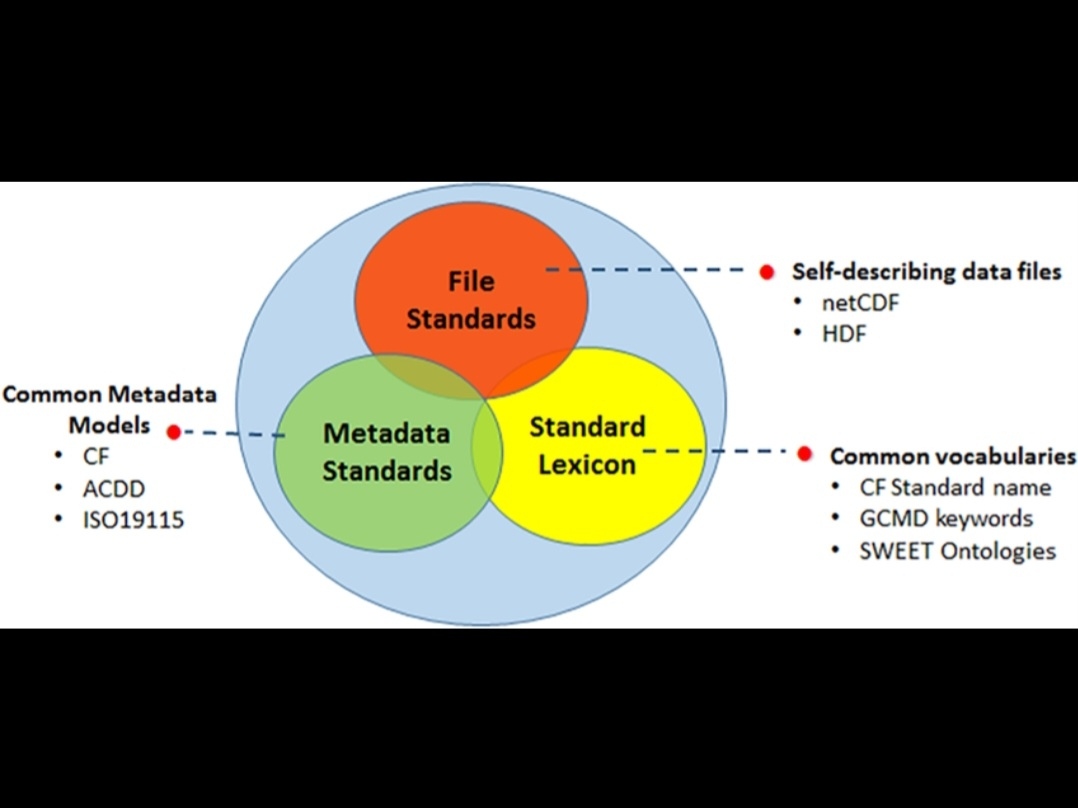
Agents can read it. Systems can react to it. Automation becomes cleaner, faster, and more reliable.
And suddenly you’re not just improving developer experience.
You’re setting the foundation for systems that operate on their own.
I think what makes SIGN easy to overlook is that it doesn’t try to impress you.
It’s not loud. It’s not trying to sell a future.
It’s fixing something that should have been done properly from the start.
And those are usually the things that end up mattering the most.
Because if you step back for a second, the question isn’t:
“Do we need better apps?”
It’s:
“Do we even have a system where apps can properly connect?”
Right now, the answer is… not really.
But if SIGN works the way it’s supposed to, that answer changes quietly — and then all at once.
That’s why I’ve started to see it differently.
Not as something you notice immediately.
But as something you feel later — when everything starts working the way it always should have.
And by then, it won’t look like innovation.
It’ll just look like how things are done.