
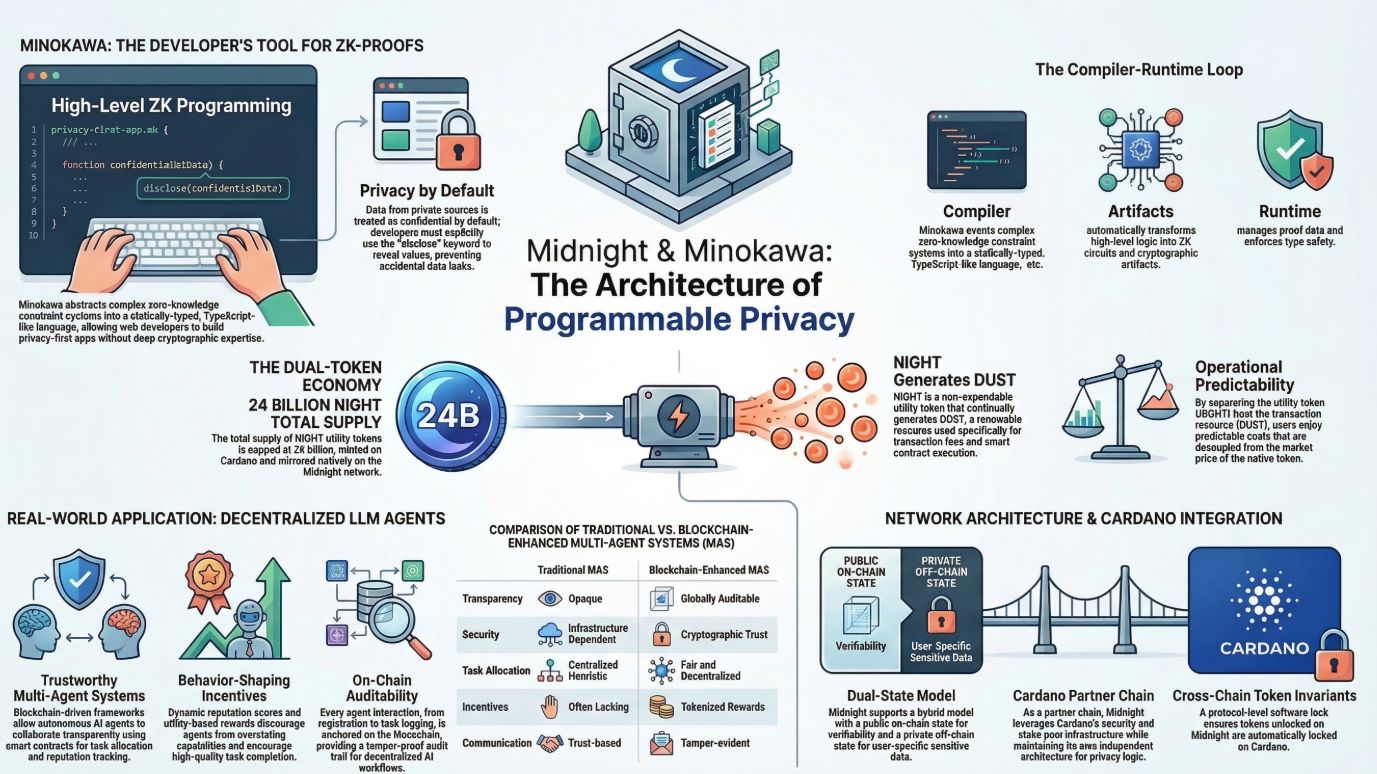
Whenever I look into a new blockchain project, I try to understand one thing early.
Is the growth I’m seeing coming from real usage, or from incentives temporarily pulling people in?
With Midnight, that question became more interesting than I expected.
After going through the design and thinking about how the network might evolve, I realized the answer is not as simple as it looks 😅
At a surface level, incentives are everywhere in crypto.
Token rewards, staking yields, liquidity programs, early participation benefits. Most networks rely heavily on these mechanisms to bootstrap activity. The assumption is straightforward. If you reward participation, the network will grow, and over time that growth will stabilize into real usage.
That logic works in the short term.
But it often hides a deeper problem.
Participation driven by incentives does not always translate into long term value.
Users can arrive without intending to stay.
And systems can show strong activity metrics while still lacking real structural demand.
This is where Midnight becomes interesting to me.
@MidnightNetwork does not seem to position itself primarily around attracting users through aggressive incentive narratives. Instead, it appears to focus on building a type of functionality that other systems might eventually need.
That changes how growth is approached.
What stands out is not how quickly users can be pulled in, but whether the network becomes useful enough that participation happens naturally.
One signal of this is how Midnight can integrate into existing ecosystems rather than forcing users to migrate entirely.
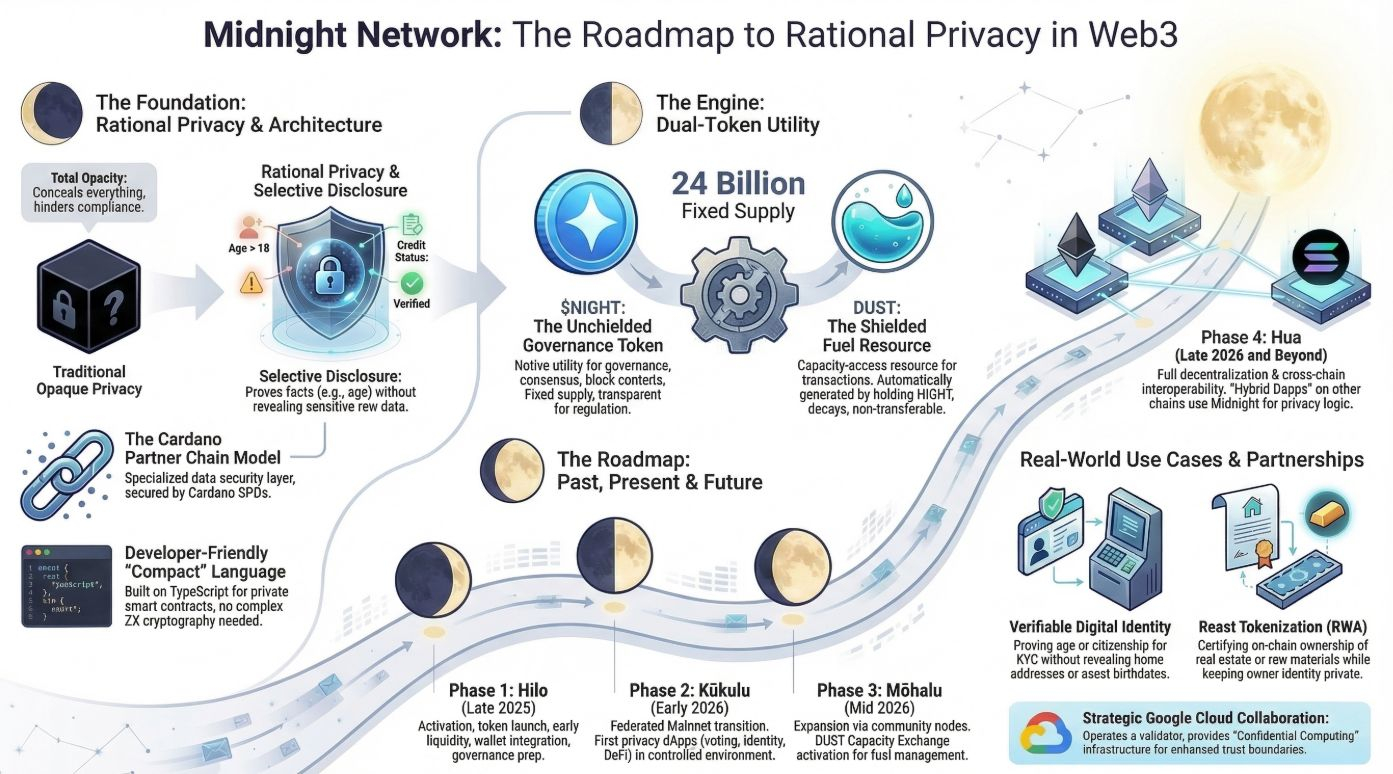
If applications can use Midnight as a layer when needed, then growth does not depend only on direct user acquisition. It depends on whether other systems choose to connect.
That is a very different dynamic.
From a structural perspective, this shifts the focus away from incentive-driven expansion and toward utility-driven integration.
A network built on incentives competes for attention.
A network built on utility competes for necessity.
And those are not the same game.
I have been comparing this to how many blockchain networks have developed so far.
A lot of early growth comes from rewards.
Activity spikes when incentives are high.
And then fades when those incentives decrease.
Midnight seems to be exploring whether a network can grow in a more durable way.
But this is also where execution becomes critical.
Building real utility is harder than distributing rewards.
Integration requires trust, stability, and reliability over time.
And systems that aim to become infrastructure need to prove themselves under real usage conditions.
The ecosystem is still early.
Developers need to see clear value.
Applications need to integrate in meaningful ways.
And the network needs to demonstrate that it can support real demand, not just theoretical use cases.
There is also the competitive landscape.
Other chains may build similar capabilities.
Some ecosystems may develop native solutions.
And not every infrastructure layer becomes essential.
So this is not a guaranteed outcome.
But it does raise an important question.
Midnight may not need to win by attracting the most users at the start.
It may win by becoming something that other systems cannot easily replace.
I am watching two signals closely.
Whether applications begin integrating Midnight for specific functionality.
And whether that usage continues even without strong incentive programs.
If those signals appear, then Midnight is not growing because of rewards.
It is growing because it is needed.
And once a network becomes necessary, growth stops being something you have to create.
It becomes something that sustains itself.
Do you think incentives are still the main driver of blockchain growth, or will utility eventually take that role?
Curious to hear your thoughts 👇