
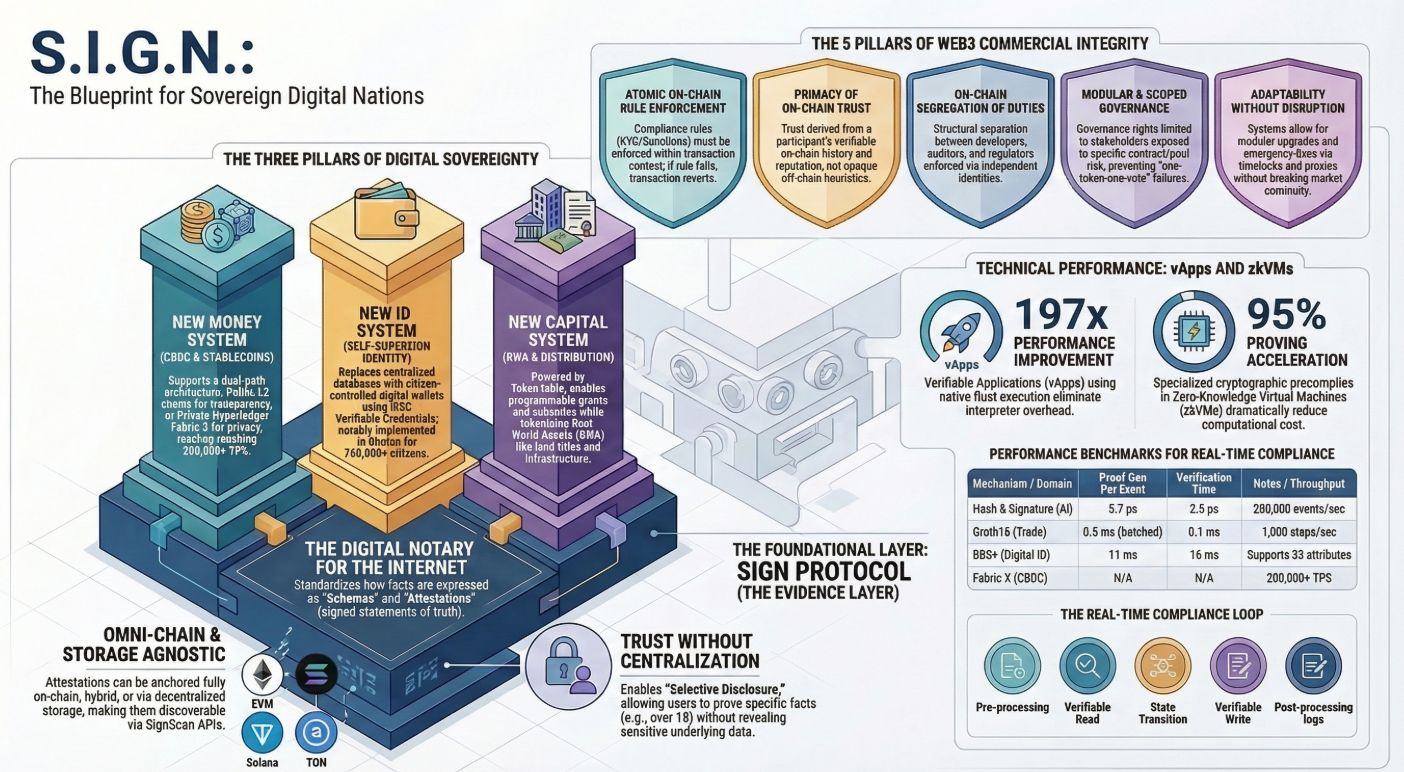
Most digital systems are designed to ensure that actions can be executed correctly. A transaction goes through. A user receives an allocation. A program distributes resources according to predefined rules. At that moment, everything appears to be complete.
But execution alone does not guarantee integrity.
In simple terms, execution integrity is about whether an action can be trusted not only at the moment it happens, but also after it moves across different systems and contexts.
Right now, many systems focus heavily on making execution efficient, but far less attention is given to how those actions are preserved as reliable records. Once data leaves its original environment, its meaning can become harder to verify.
This creates a gap between what was executed and what can actually be proven later.
You can see this across different parts of the ecosystem. A transaction may be valid onchain but difficult to reconcile with external reporting. A distribution event may be completed but hard to audit in a broader system. A verified action may lose clarity when it is interpreted outside its original context.
That gap is where trust starts to weaken.
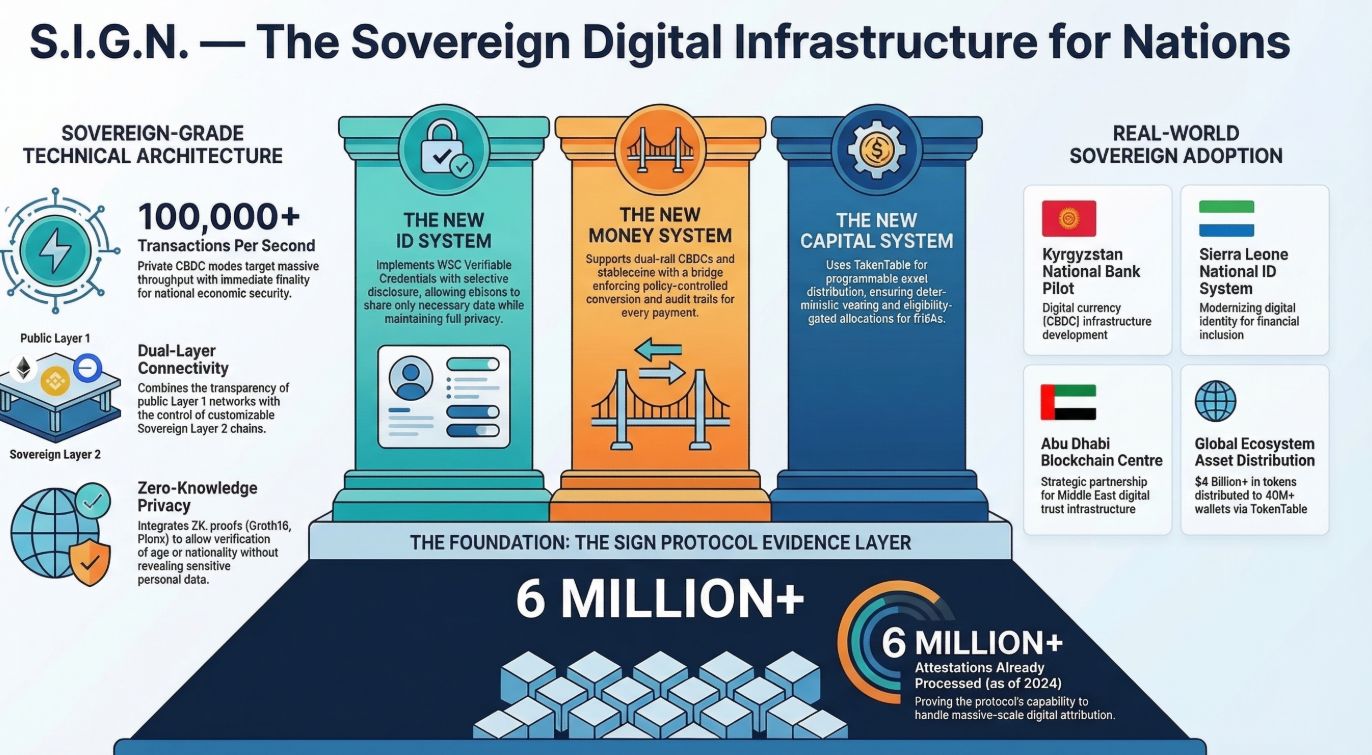
SIGN approaches this problem by focusing on how execution can be tied to verifiable evidence that persists beyond a single system. Instead of treating execution as an isolated event, it treats it as something that needs to remain interpretable and provable across environments.
When actions are expressed in a structured and verifiable way, they do not lose their meaning when they move. They become part of a system where integrity is maintained throughout the entire lifecycle.
This changes how digital infrastructure is evaluated. It is no longer enough to ask whether something works. The more important question is whether it can still be trusted after it interacts with other systems.
As more real world applications rely on blockchain, this distinction becomes critical. Systems do not operate in isolation. They connect with reporting layers, compliance processes, and external institutions.
Without execution integrity, every connection introduces uncertainty.
In a broader sense, execution integrity acts as a foundation for reliable systems. Without it, complexity increases faster than confidence. With it, systems can scale without constantly rebuilding trust.
SIGN positions itself within this layer by enabling actions to be represented as verifiable evidence that can move across systems without losing clarity.
There is also a token involved, but its long term value depends on whether this layer becomes widely used in practice. Adoption determines whether it remains an idea or becomes part of real infrastructure.
The challenge is that execution integrity is not something users directly notice. It does not create immediate excitement, and it is often overshadowed by more visible narratives.
But as systems grow more interconnected, the ability to preserve trust across every step becomes essential.
Execution is only the beginning. What matters more is whether that execution can still be trusted everywhere it goes.