
Honestly, this has been on my mind for a while, but I never really put it into words. The more technology improves, the less we seem to notice it. Everything becomes smoother, faster, more seamless. But at the same time, it feels like we understand less about what is actually happening underneath.
Look at how we use apps today. You click, confirm, and things just work. Payments go through, actions are completed, everything feels instant. But if someone asks you what actually happened behind that process, most people wouldn’t be able to explain it clearly.
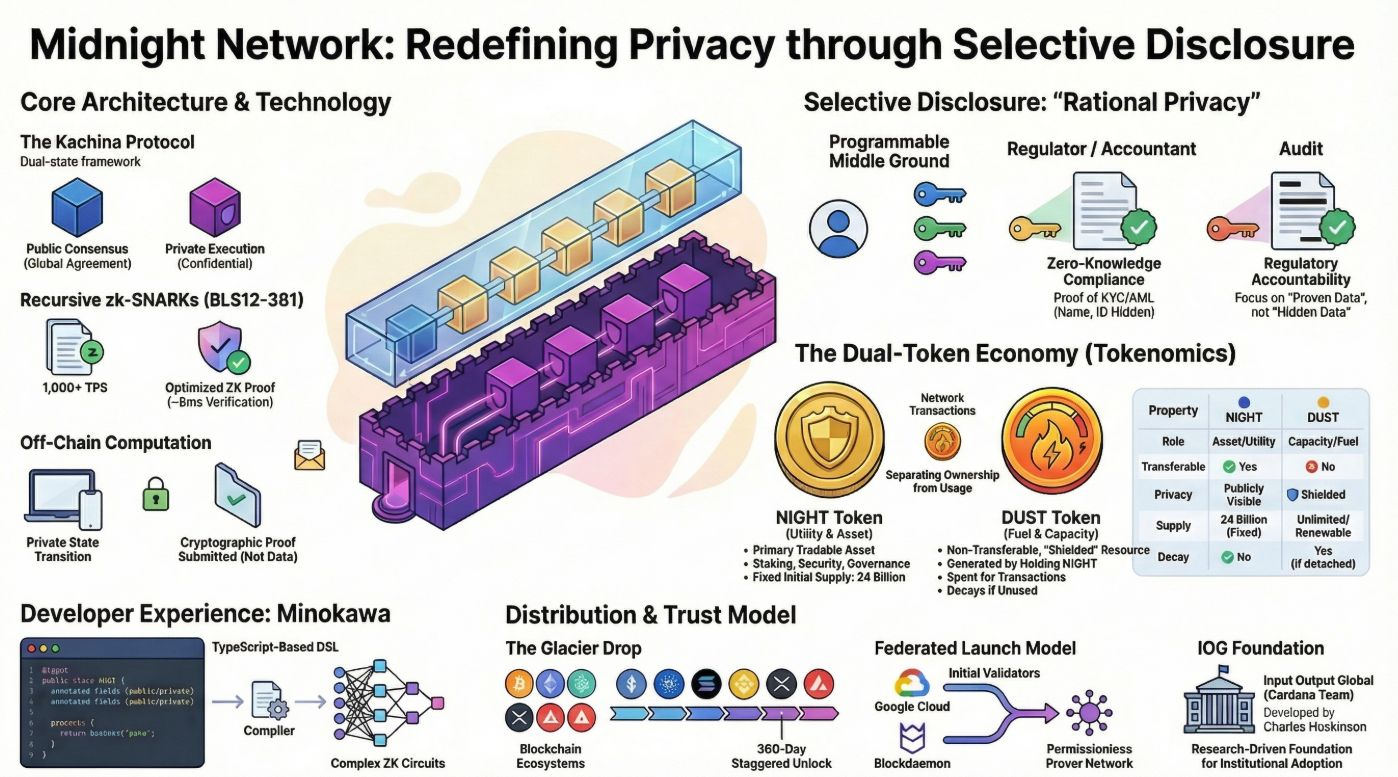
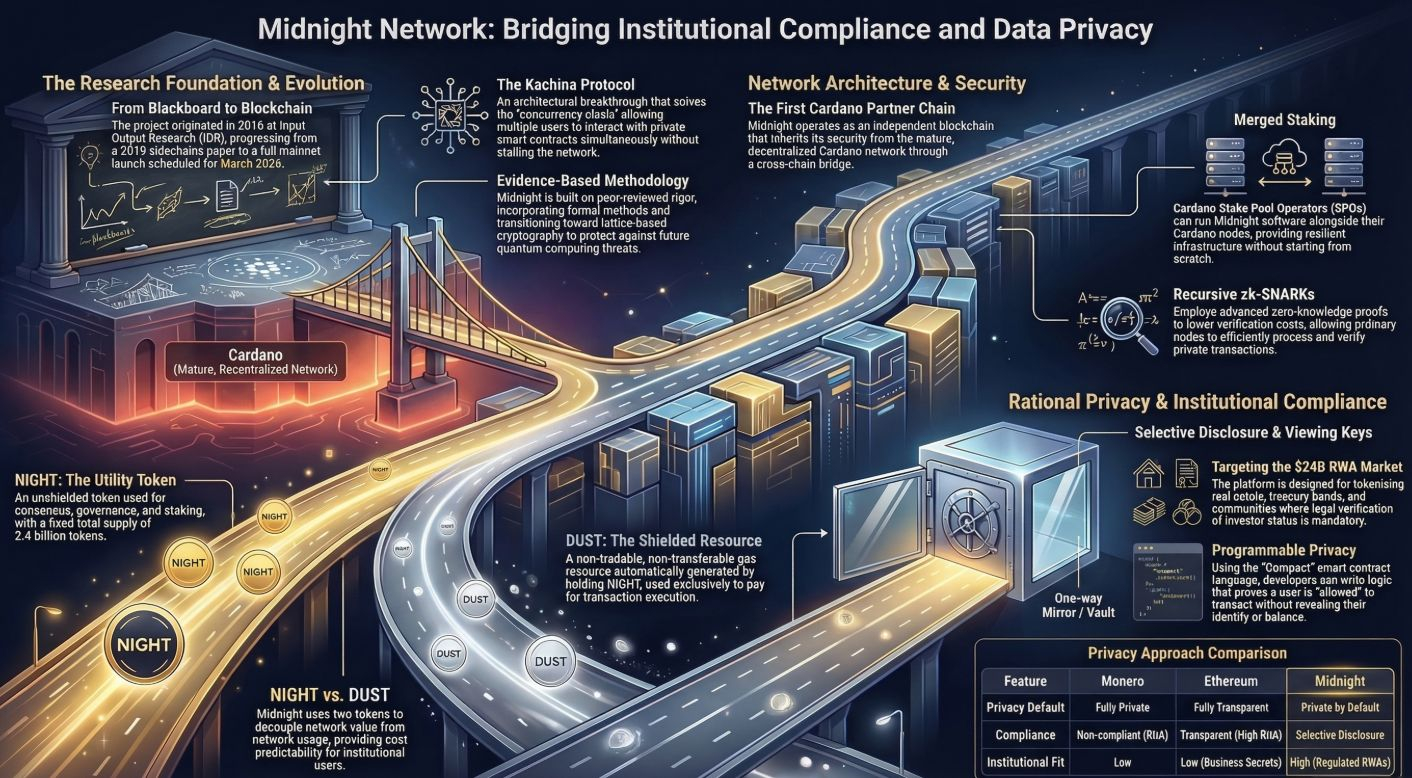
That is where I started to understand why something like Midnight Network exists.
The idea itself is quite simple, but also quite deep. You don’t need to see everything to trust that something is correct. The system can prove that the result is valid without showing you the full process behind it. On paper, this sounds like a very natural evolution of how systems should work.
Imagine using a financial app.
You approve a transaction without reading every detail.
You trust that the system has already verified everything for you.
You don’t need to trace every step, you just rely on the outcome.
In theory, this makes everything easier and more efficient. Less friction, less effort, less need to constantly check what is happening.
Personally, I find this idea very appealing. It feels like technology is finally adapting to human behavior instead of forcing humans to adapt to technology.
But I can’t ignore the other side of it.
If the system becomes too invisible, what happens when something goes wrong?
In a traditional system, you can at least try to follow the steps. You can see the transaction, trace the flow, and understand where things break. But in a system designed to hide complexity, how do you investigate?
This is not just a technical issue.
Because in the end, we are not just trusting the system, we are trusting the logic behind the system.
If the system says everything is valid, then it must be valid.
But valid according to what?
And more importantly, who defines that standard?
What if the logic itself is flawed?
Then the system can still appear correct, even when the foundation is wrong. And that is what feels uncomfortable. You are interacting with something that works, but you don’t fully understand why it works.
This is something I don’t see many people talk about.
Older systems are messy, sometimes slow, sometimes inefficient. But they are visible. You can inspect them, question them, and form your own understanding.
Midnight feels like the opposite direction.
It looks clean, efficient, and reliable when everything works. But when something breaks, it becomes much harder to see what is really happening underneath.
From my own experience following this space, I’ve noticed something interesting.
The more a system hides, the more you end up depending on it.
And the less you understand it, the more you have to trust it.
Which is a bit ironic for something that is supposed to reduce the need for trust.
So in the end, I think the question is quite simple.
Are we moving toward systems we truly understand?
Or toward systems that simply work well enough for us to stop asking questions?
And if we had to choose, which one would you be more comfortable with?