

Sign Protocol is one of those projects I’ve been quietly circling for a while, not because it’s loud or everywhere, but because it sits in a part of crypto that never quite gets resolved. It’s easy to overlook at first. There’s no obvious spectacle to it, nothing that immediately signals “this is the next big thing.” But the longer I look at it, the more it feels like it’s trying to touch something fundamental that most systems here tend to avoid.
I’ve been noticing how much of crypto still runs on loose assumptions. We pretend things are verifiable, but most of the time we’re just trusting interfaces, reputations, or momentum. Wallets interact, contracts execute, tokens move—but when it comes to proving anything beyond that, things get blurry. Who actually contributed? Who qualifies for something? Which actions matter, and which are just noise?
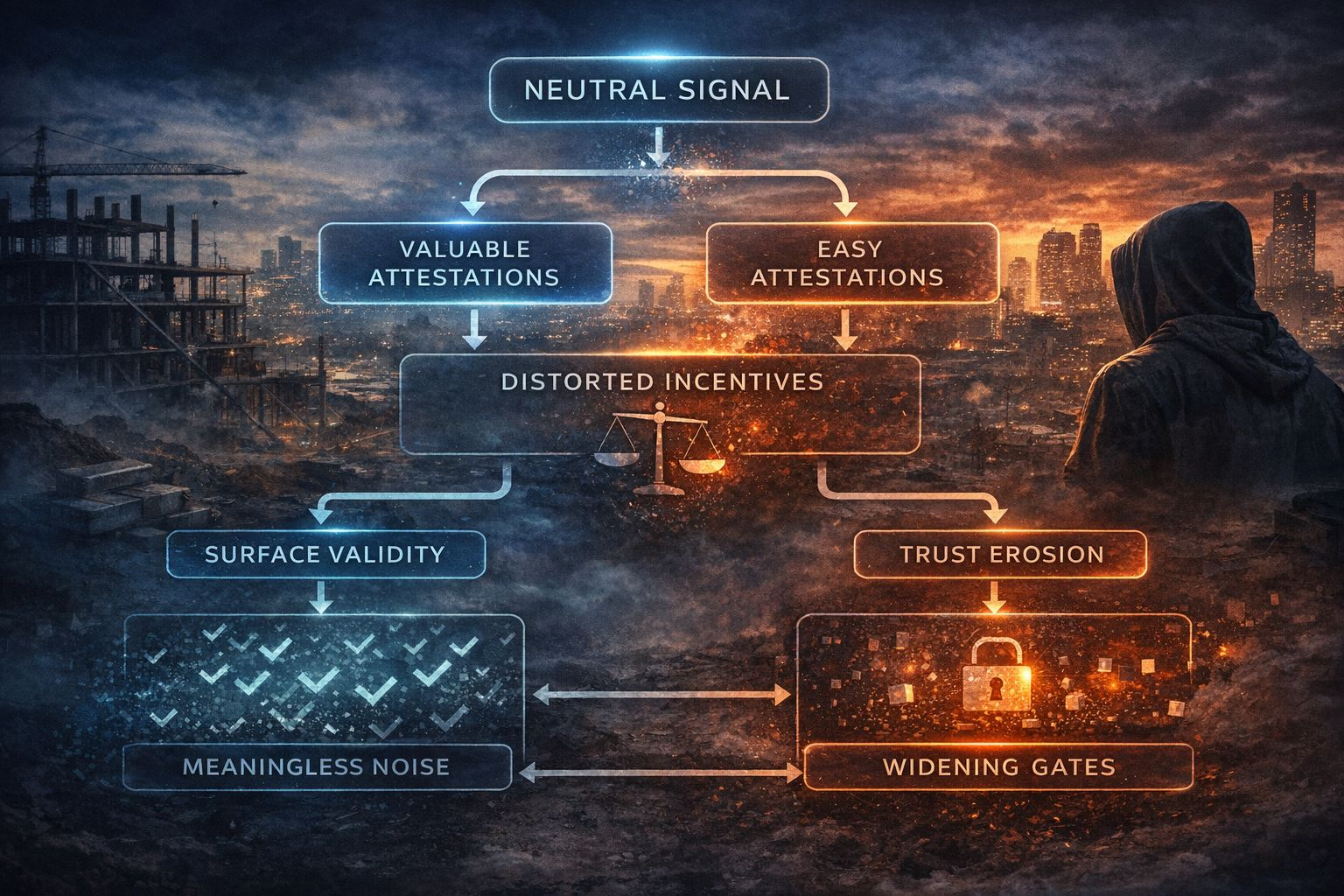
Sign Protocol seems to be stepping into that blur and trying to give it shape. Not in a grand, definitive way, but more like it’s laying down a framework for people to make claims about reality—attestations that can be recorded, checked, and reused. On the surface, it sounds almost administrative. But the more I think about it, the more I realize how much of crypto quietly depends on something like this existing.
Still, I don’t find myself fully convinced. Not because the idea is weak, but because the environment it’s entering has a habit of distorting things. Any time you introduce a system that assigns meaning or recognition, people start to optimize around it. And optimization here rarely looks clean. It’s subtle at first—small shortcuts, repeated patterns, incentives bending behavior just slightly off course.
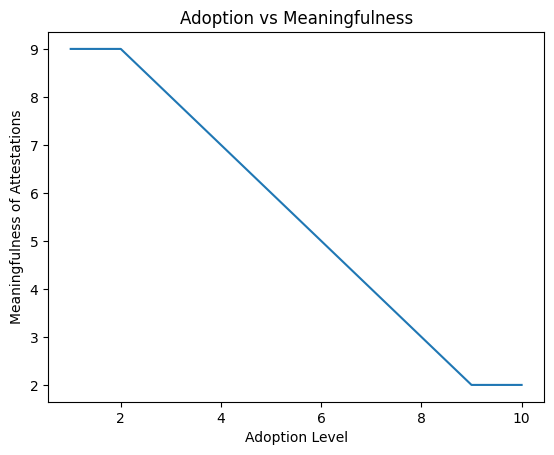
I keep wondering what happens when attestations stop being neutral. When they become valuable enough that people want to collect them, trade around them, or manufacture them. It’s not hard to imagine a scenario where the system fills up with technically valid but practically meaningless claims. Everything checks out on the surface, but the signal underneath starts to thin.
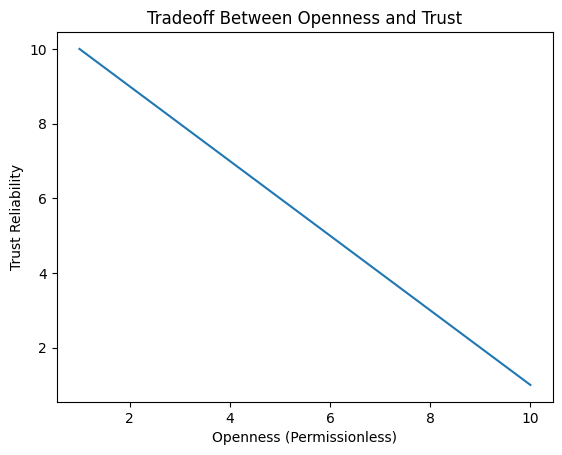
And then there’s the question of who gets to matter inside the system. If certain entities become widely accepted as “trusted attestors,” then their influence grows quietly but significantly. If anyone can issue attestations freely, then you’re left with a different problem—too much input, not enough clarity. Either way, it doesn’t stay neutral for long.
What makes this interesting, though, is that Sign Protocol doesn’t feel like it’s pretending to solve all of that upfront. It feels unfinished, and I mean that in a neutral way. Like something that’s aware it will be shaped by how people use it, not just how it’s designed.
I’ve also been thinking about how this fits into the broader rhythm of crypto. Most projects try to capture attention quickly. They need a narrative that travels fast, something people can latch onto without thinking too deeply. Sign Protocol doesn’t really do that. It’s quieter. More structural. The kind of thing that might only become visible once other systems start depending on it.
But that also makes it harder to evaluate. Right now, a lot of what surrounds it feels like early movement—experiments, integrations, hints of use rather than sustained pressure. And without pressure, it’s difficult to know where the weak points are.
Because every system has them.
In this case, I suspect the weak points won’t come from the technology itself, but from how incentives wrap around it. If there’s value in being recognized, people will find ways to appear recognizable. If access depends on attestations, then attestations become something to game. Not necessarily in obvious ways, but gradually, persistently.
I’ve seen this pattern enough times to not ignore it.
At the same time, I can’t dismiss what it’s trying to do. There’s something persistent about the problem space it’s addressing. Identity, reputation, verifiable actions—these aren’t temporary issues. They keep resurfacing in different forms, across different cycles. And each time, the solutions feel partial.
Maybe this is another partial solution. Maybe that’s all it needs to be.
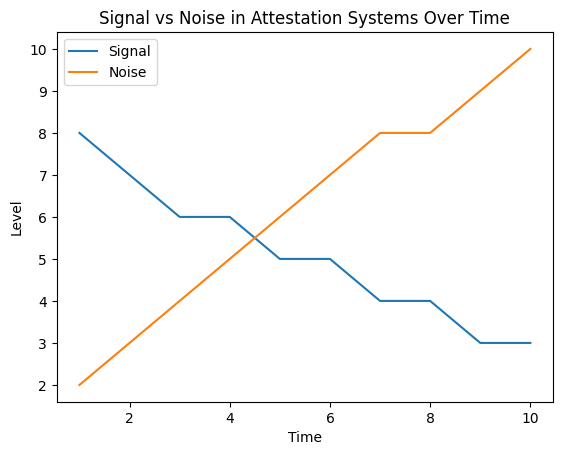
I find myself less interested in whether Sign Protocol “wins” and more interested in how it behaves over time. Does it stay flexible, or does it harden into something rigid? Does it accumulate meaningful signal, or does it slowly fill with noise? Do people use it because they have to, or because it actually helps them make better decisions?
Those answers won’t come quickly. Systems like this don’t reveal themselves all at once. They change slowly, shaped by the people interacting with them, by the incentives layered on top, by the edge cases no one planned for.
So for now, I’m just watching it exist in that early, uncertain state. Not polished enough to trust, not flawed enough to ignore.
And in a space that tends to move too fast for its own understanding, that kind of ambiguity feels strangely worth paying attention to.