
I recognize that the emergence of $SIGN Official and the foundational Sign Protocol represents a defining chapter in the evolution of digital integrity and global credentialing systems.
By building a robust and scalable infrastructure for attestations this project addresses one of the most fundamental needs in our modern age. It provides the ability to verify data without relying on a single central authority. This is a major move toward a more transparent world.
The technical excellence of the project is visible in its unique ability to operate seamlessly across a variety of blockchains. This ensures that trust is no longer confined to a single ecosystem or a specific network silo. This level of interoperability is a significant achievement that has already caught the eye of major industry players. They are looking for ways to solve the difficult problem of data provenance and identity verification. 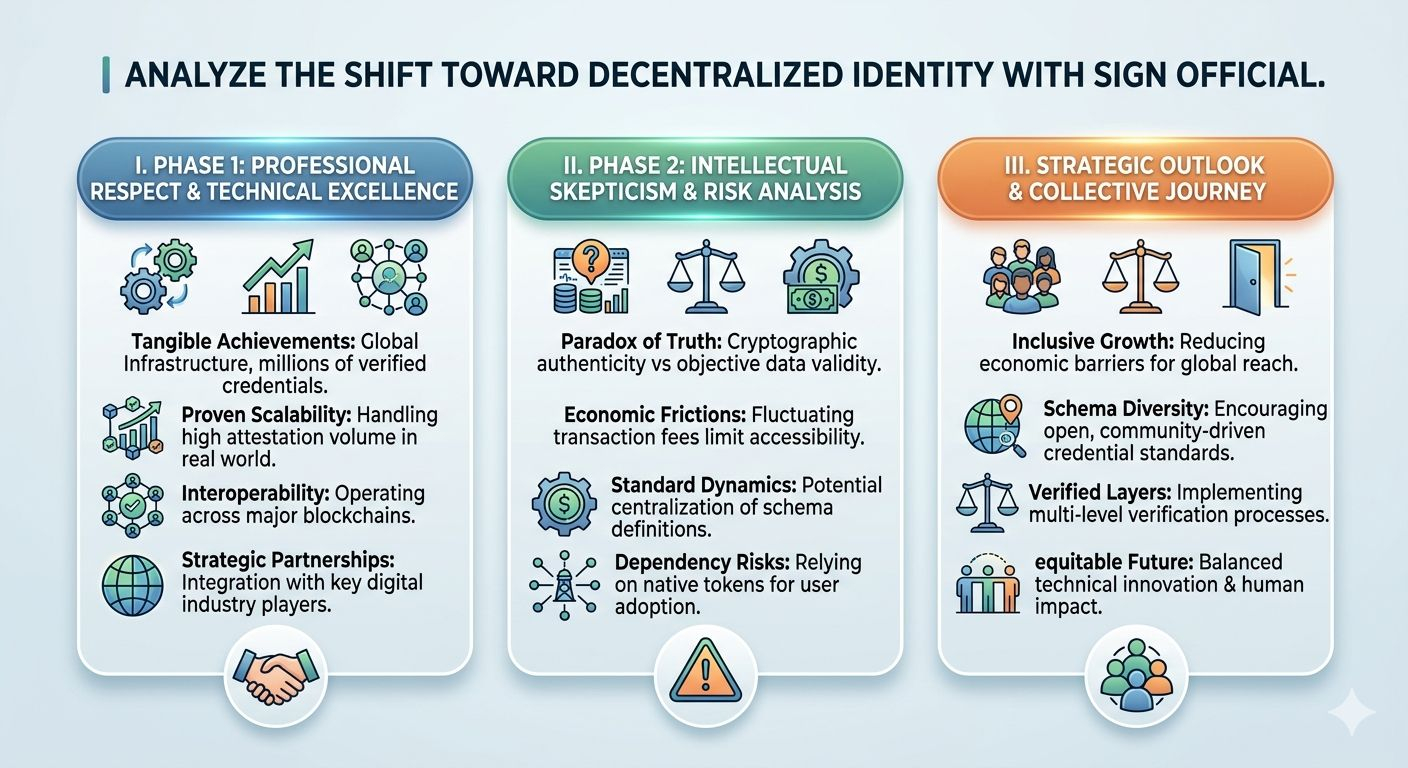
The ability to create records that are completely tamper proof and permanent marks a clear departure from the traditional databases we have used for decades. Old systems are often prone to security breaches or unauthorized changes by those in power. Facts show that the system is designed specifically for scalability and ease of use. This allows developers from all over the world to integrate credential verification into their own applications with very little technical friction.
This infrastructure is not just a vague promise for the future but a working tool that has already been deployed. It has handled millions of individual attestations which proves its operational capacity in real world scenarios. The logistical execution of delivering digital assets and rewards based on these verified credentials further validates the operational efficiency of the network design. Sign Official acts as the primary interface for these interactions and is a key milestone in making decentralized trust accessible to the broader public. It simplifies the complex process of token distribution for everyone.
I also see that as we move deeper into this new era of digital trust we must maintain a level of intellectual skepticism. We must examine the potential risks that come with such a powerful tool. A primary concern involves the actual validity of the data being signed by participants. While the protocol ensures that an attestation is authentic it cannot verify the objective truth of the statement itself.
This creates a challenging situation where a user could record incorrect or misleading information on the ledger forever. This data then gains a false sense of legitimacy simply because it is cryptographically signed and permanent. We must be careful not to assume that just because something is on a blockchain it is automatically true. This is a paradox that requires a lot of careful thought. The economic model of the system also relies heavily on transaction fees. 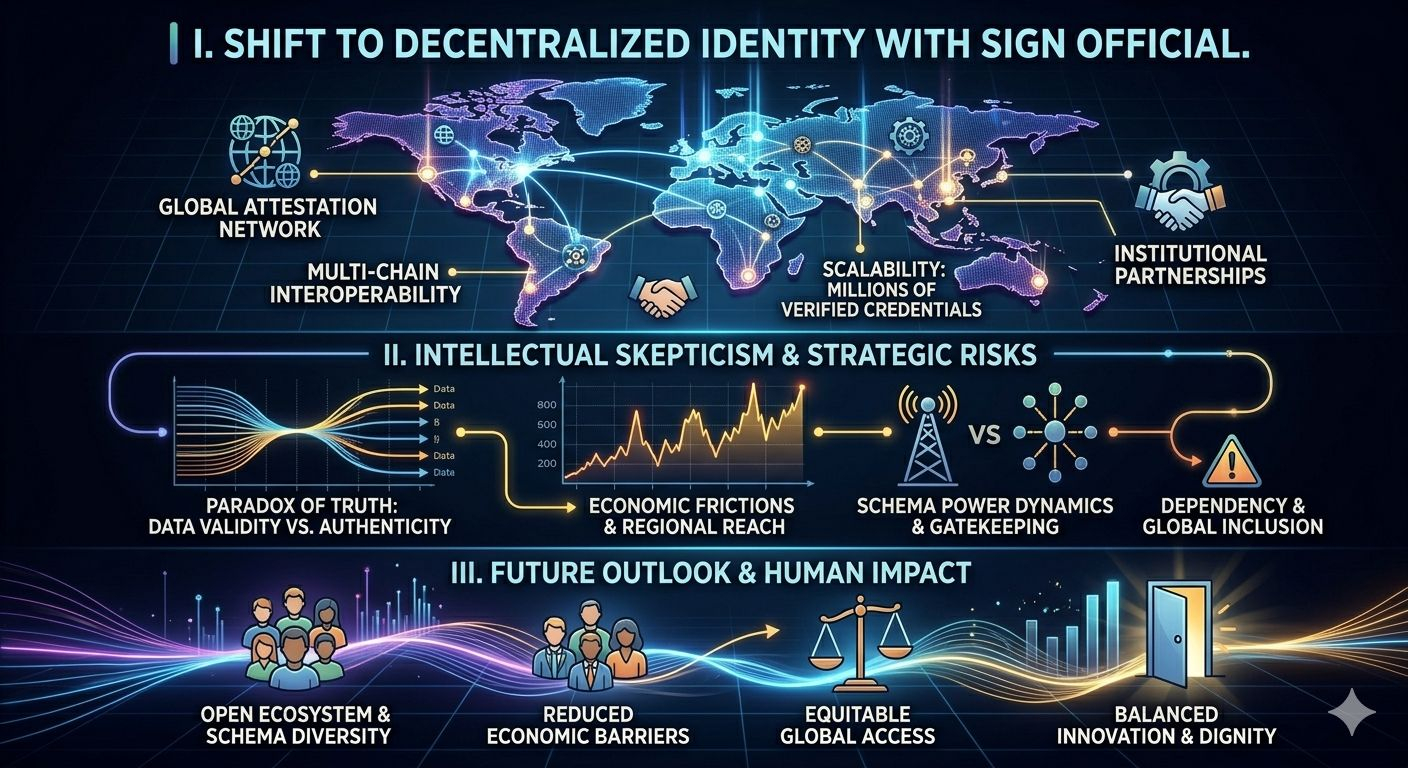
These fees can fluctuate significantly depending on how busy the network is at any given time. This dependency means that the actual cost of trust is not always predictable or affordable for every person. Such a barrier might limit the reach of the protocol in regions where a digital identity is needed most. In these areas even a small fee can be a major obstacle for a regular user. We also have to consider the power dynamics that are involved in creating the schemas. These are the rules that define what makes a credential valid. If only a few large organizations or elite groups end up setting these standards they could become the new authorities of the digital age. This creates a tension between the decentralized nature of the technology and the centralized nature of standard setting. This is something that requires very careful navigation to prevent new forms of gatekeeping from taking root in the system.$SIGN
I think it is important to realize that the success of Sign Official will depend on how it manages these hidden problems over the long term. If the system becomes too expensive for the average user it will lose its value. If the data it carries is full of unverified claims then people will stop trusting the network. To truly fulfill its promise the project must find ways to reduce economic barriers. It must ensure that the process of defining credentials remains open and inclusive for everyone. This means encouraging a diverse range of participants to create and use their own schemas.
We should not let a few dominant players dictate the terms of digital identity for the whole world. The goal should be to create a world where a person in a remote village has the same access to trust as a professional in a major city. We should also look for ways to add more layers of verification to help address the problem of false data.
By being honest about these challenges now we can help the project grow into a more resilient system. The path forward requires a balance between celebrating technical triumphs and remaining vigilant about the socio economic risks. It is this balance that will determine if the protocol becomes a cornerstone of the new internet or just another layer of digital bureaucracy. I am convinced that if these issues are handled with care the potential for positive change is immense. 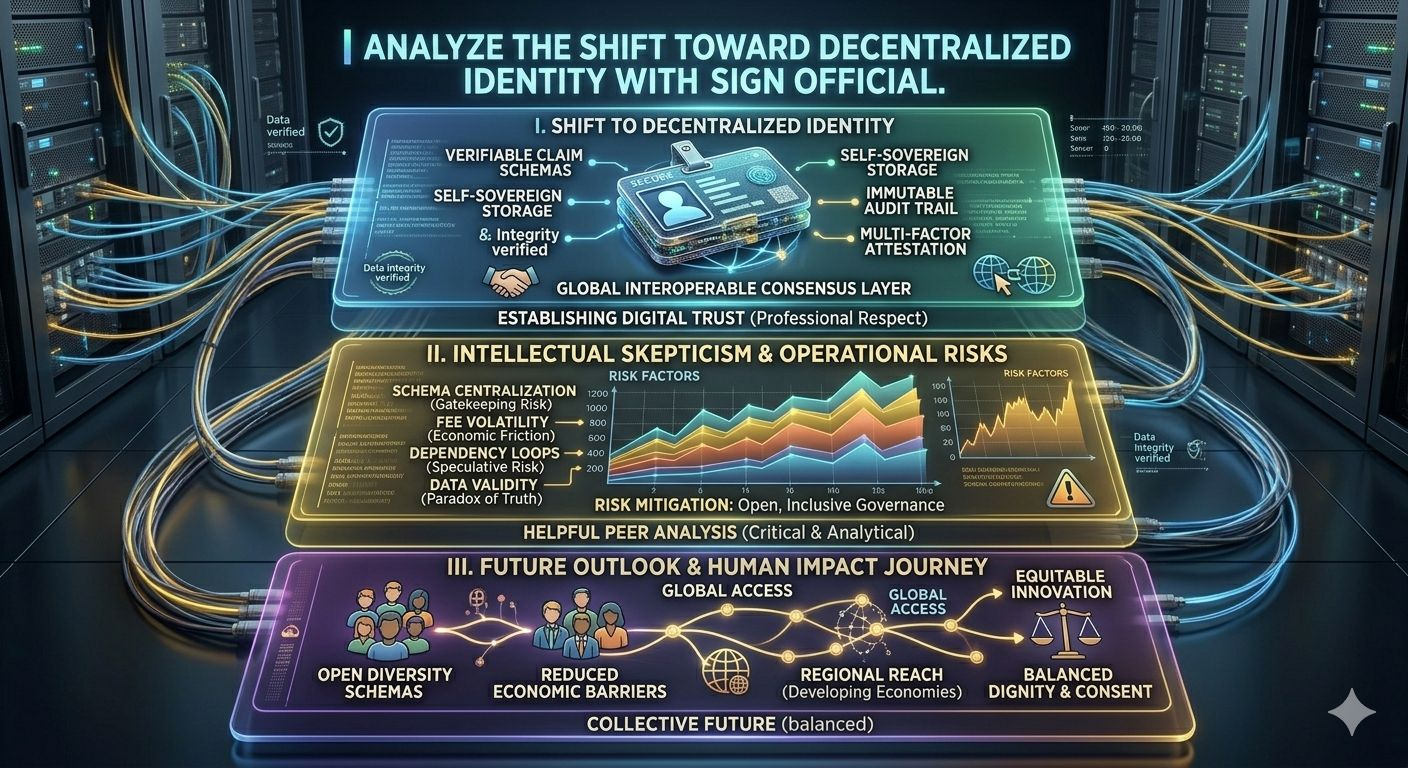
We must stay focused on the human impact of these technologies rather than just the code itself. The future of digital trust is a collective journey and it is our responsibility to make it fair. We must work to ensure that it leads toward a more open and equitable world for all participants.