
I’ve been looking at Sign this March 2026 and personally I think the momentum is real. $SIGN has already processed over 4 billion dollars in token distribution across more than 40 million wallets and over 200 projects which proves that verification at scale is not theory but reality.
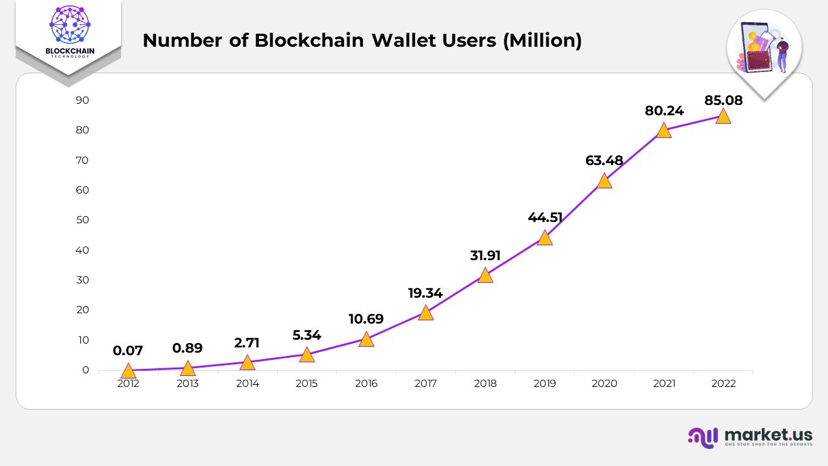
Personally I think the most interesting signals come from live deployments. National Bank CBDC pilot in Kyrgyzstan, on-chain residency in Sierra Leone, and verifiable credentials with Abu Dhabi Blockchain Centre are already running on omni-chain attestation layers supporting identity, CBDC, and capital allocation with policy grade controls. CEO @realyanxin has shared insights on programmable money for CBDC and stablecoins, digital ID verifiable credentials, and sovereign capital markets for RWA. You can visualize it like a central bank issuing tokens as digital gold but resilient through blockchain when traditional systems fail.
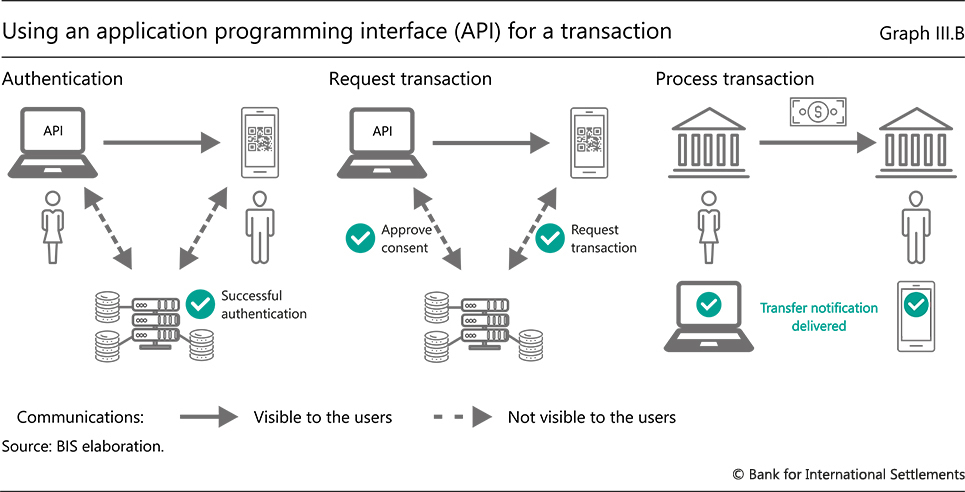
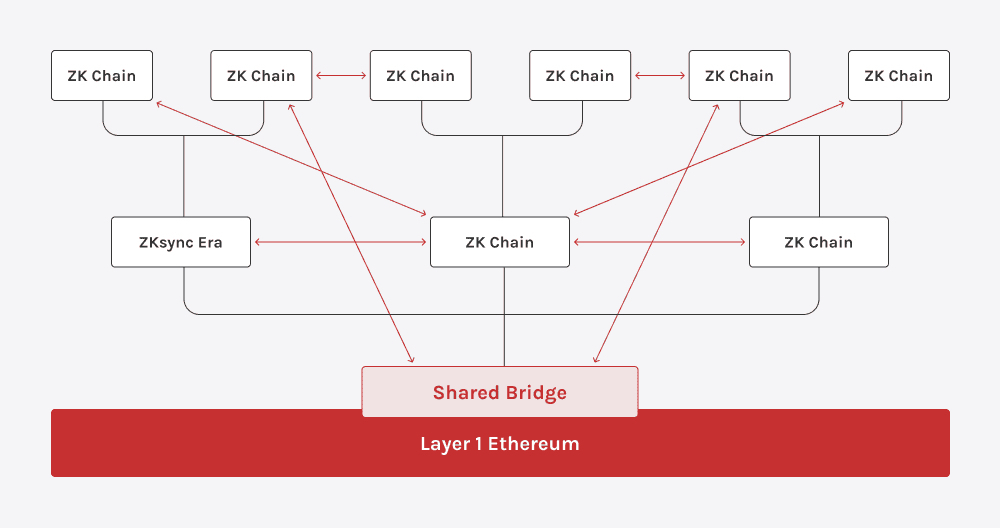
I’ve been thinking about how Sign differs from other ZK projects. It does not compete for L2 scaling or pure privacy DeFi. It focuses directly on B2G where governments need infrastructure to maintain national economic functions, privacy preserving verification at scale, and control without relying on centralized databases. While many projects focus on consumer UX or Ethereum scaling, Sign already has real adoption from governments in the Middle East and Asia which few projects have achieved.
Personally I think this is also why hard coding issuer reputation into the protocol would be a mistake. The moment trust is defined in the base layer the system becomes centralized and permissionless growth is reduced. On the other hand leaving everything to the market without primitives leaves credibility signals weak and forces reliance on off-chain reputation. A reputation layer naturally emerges from repeated usage, coordination, and real economic outcomes.
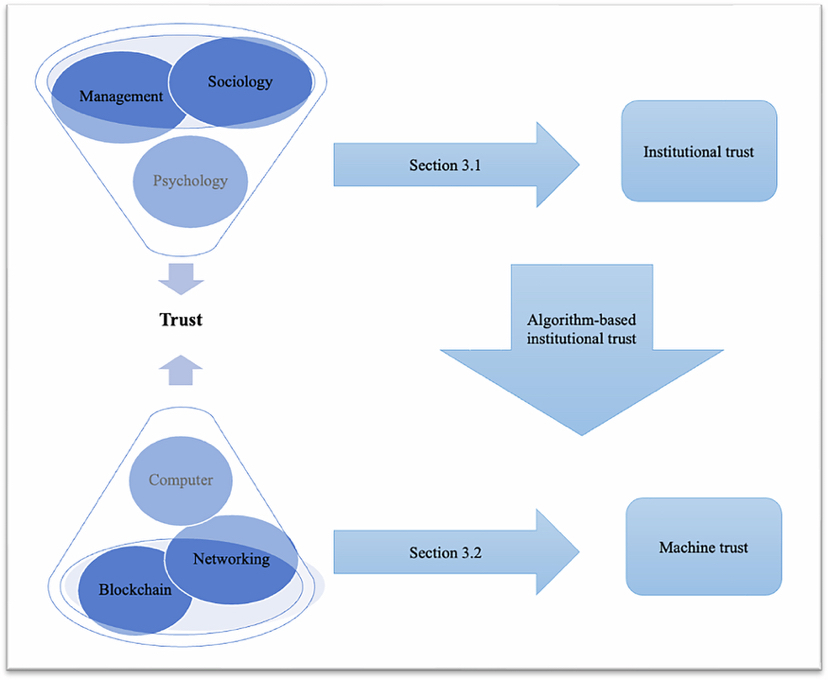
I’ve been thinking about the implications as the network grows. Tens of millions of users and hundreds of issuers make verification scale easy but trust harder. The real challenge is bridging the gap from verifiable to trustworthy and Sign is letting the market form these signals on top of a strong evidence layer.
So do you think the March surge reflects genuine adoption by governments or is it just a temporary pump? Will market-driven reputation develop fast enough to support global trust?