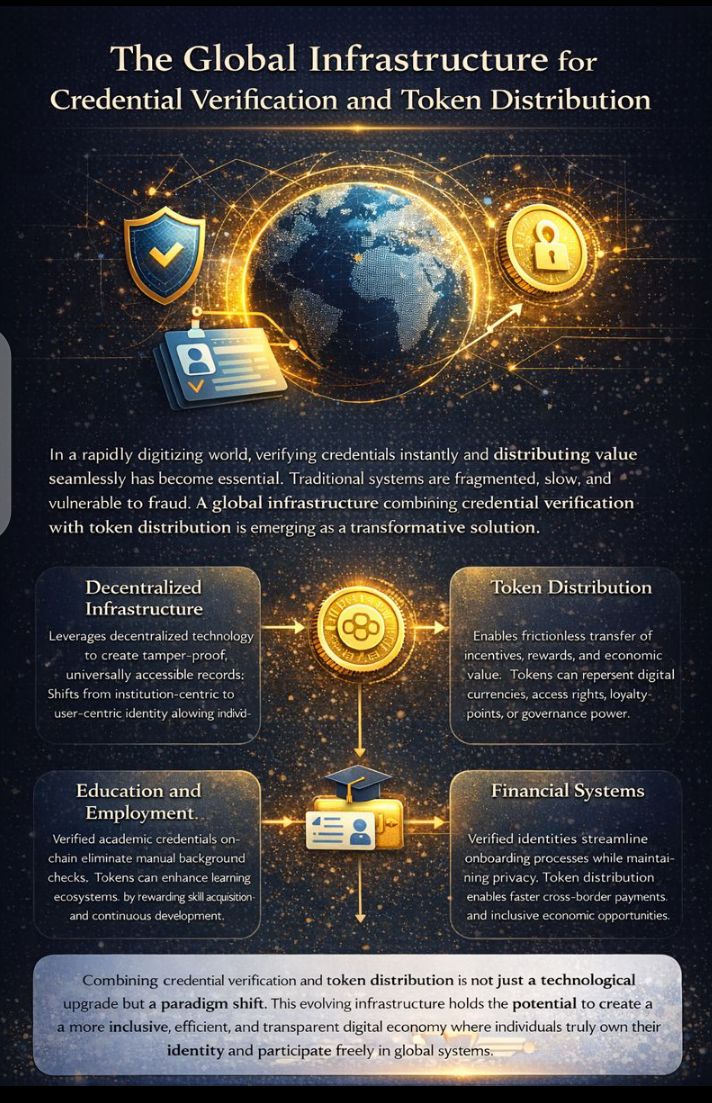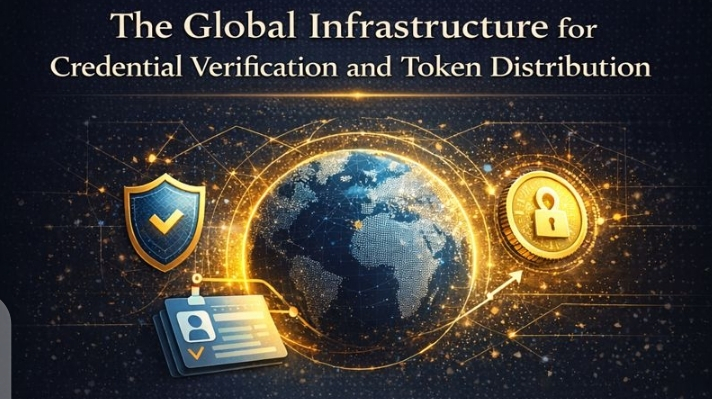
In a rapidly digitizing world, the ability to verify credentials instantly and distribute value seamlessly has become a foundational need. Traditional systems for identity verification, academic records, certifications, and financial transactions remain fragmented, slow, and often vulnerable to fraud. A global infrastructure that unifies credential verification with token distribution is emerging as a transformative solution, bridging trust and value across borders.
At its core, credential verification infrastructure leverages decentralized technologies to create tamper-proof, universally accessible records. Instead of relying on isolated databases controlled by institutions, credentials are anchored on distributed ledgers. This allows individuals to own and control their data while enabling instant verification by employers, organizations, or platforms. The shift from institution-centric to user-centric identity marks a major evolution in how trust is established digitally.
Token distribution complements this system by enabling frictionless transfer of incentives, rewards, and economic value. Tokens can represent anything from digital currencies to access rights, loyalty points, or governance power. When integrated with verified credentials, token systems become more intelligent—ensuring that rewards are distributed only to eligible and authenticated participants. This reduces fraud, increases efficiency, and builds a transparent ecosystem.
One of the most impactful applications lies in education and employment. Verified academic credentials stored on-chain eliminate the need for manual background checks. Employers can instantly validate qualifications, while individuals can share their achievements globally without intermediaries. Token incentives can further enhance learning ecosystems, rewarding skill acquisition and continuous development.
In financial systems, this infrastructure enhances compliance and accessibility. Verified identities streamline onboarding processes while maintaining privacy through selective disclosure. Token distribution mechanisms enable faster cross-border payments, decentralized finance participation, and inclusive economic opportunities for underserved populations.
Security and privacy remain central to this framework. Advanced cryptographic techniques, such as zero-knowledge proofs, allow users to prove the validity of their credentials without revealing sensitive information. This ensures that while systems become more transparent, personal data remains protected.
Despite its promise, challenges persist. Interoperability between platforms, regulato