$SIGN (Sign Protocol) is an emerging blockchain infrastructure project focused on digital identity, credential verification, and token distribution systems. Unlike speculative meme coins, SIGN positions itself as a real-world utility-driven protocol, aiming to solve one of Web3’s biggest challenges: trust in a trustless environment.
🔍 Core Concept & Utility
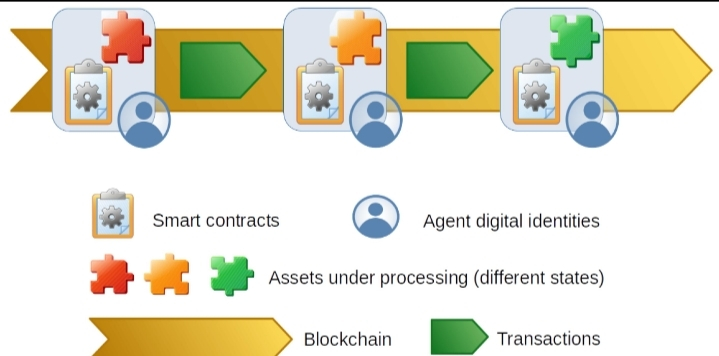
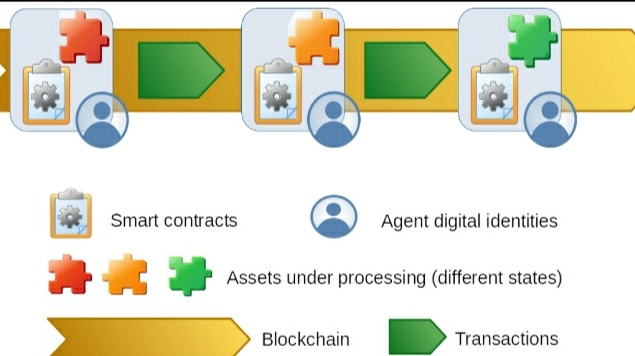
At its foundation, SIGN enables users and institutions to create and verify on-chain attestations—essentially proofs about identity, ownership, or actions. These attestations can be verified across multiple blockchains without exposing sensitive data, thanks to privacy technologies like zero-knowledge proofs .
This makes SIGN highly relevant in sectors such as:
Digital identity verification (KYC/AML)
Government systems and national infrastructure
Token airdrops and distribution
Academic and professional credential validation
The ecosystem revolves around two main products:
Sign Protocol → Handles verifiable credentials
TokenTable → Manages token distribution (airdrops, vesting, etc.)
The SIGN token itself is used for:
Transaction fees
Governance voting
Staking and incentives
Ecosystem rewards
🚀 Key Developments
SIGN has shown strong progress, especially in 2024–2025:
Processed 6+ million attestations and distributed over $4 billion in tokens globally
Successfully launched its Token Generation Event (TGE) in April 2025
Listed on major exchanges like Binance, boosting liquidity and adoption
Built partnerships with governments and financial institutions for digital infrastructure
A major innovation is the “SIGN Stack”, which includes:
Dual blockchain architecture (public + private chains)
Cross-chain interoperability
Modular infrastructure for scalability
This positions SIGN not just as a crypto project, but as a potential backbone for national-level digital systems.
🗺️ Roadmap & Future Vision
SIGN’s roadmap reflects a long-term, utility-focused vision:
2025 Milestones
Launch of Sign SuperApp (Q2 2025)
Expansion into government-level adoption (Q3 2025)
Development of Sign Media Network (Q4 2025)
Future Goals
Rollout of Sovereign Layer-2 infrastructure
Integration with CBDC (Central Bank Digital Currency) systems
Expansion to 100+ million wallets
Doubling attestation volume globally
The long-term ambition is to become a “super-sovereign database”—a universal trust layer for Web3 and real-world applications .
⚖️ Strengths vs Risks
✅ Strengths
Strong real-world use cases (identity + infrastructure)
Backed by major investors (e.g., Sequoia Capital)
Multi-chain compatibility
Government-level adoption potential
⚠️ Risks
Still early-stage adoption
Heavy reliance on partnerships (especially governments)
Competition from identity-focused protocols
Token unlock events may impact price volatility
📌 Final Verdict
SIGN is not just another altcoin—it represents a serious infrastructure play in Web3, focusing on identity, verification, and trust systems. Its combination of technical depth, real-world integration, and ambitious roadmap gives it strong long-term potential.
However, like all early-stage crypto projects, its success will depend on execution, adoption, and sustained ecosystem growth.