
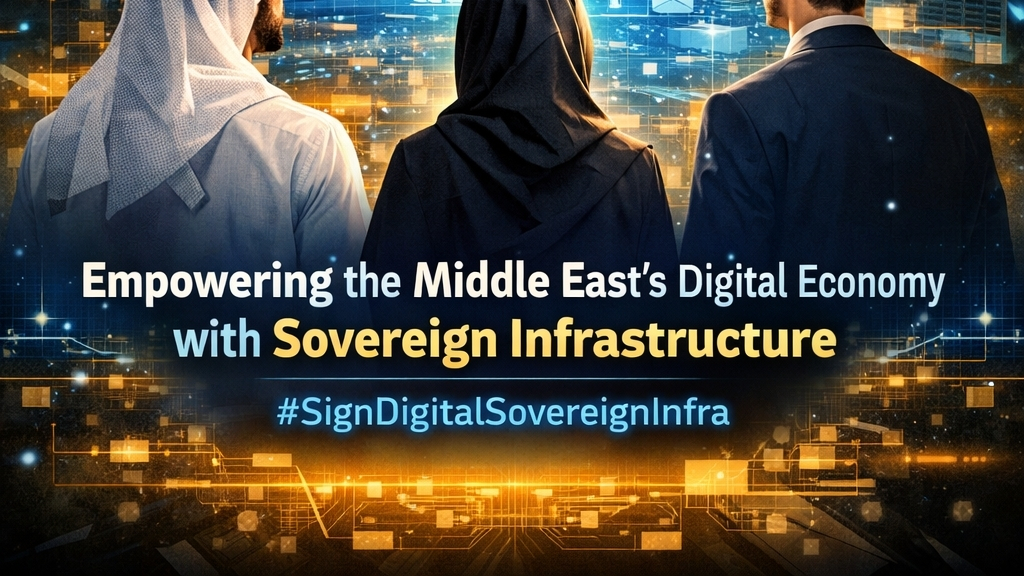
The Middle East is rapidly transforming into a hub of digital innovation, where governments and enterprises are actively embracing blockchain to strengthen economic resilience and technological independence. In this evolving landscape, @SignOfficial is emerging as a foundational layer for digital sovereignty, offering infrastructure that prioritizes trust, security, and verifiable data ownership.
At its core, $SIGN enables decentralized credential verification and data authentication, which are critical for modern economies aiming to reduce reliance on centralized intermediaries. This is particularly relevant for the Middle East, where cross-border trade, digital identity systems, and smart governance initiatives are expanding at a fast pace. By leveraging Sign’s infrastructure, institutions can create transparent and tamper-proof systems that enhance efficiency and reduce fraud.
Moreover, Sign Protocol aligns with regional visions such as digital transformation strategies and smart city development. Its ability to support verifiable credentials can streamline sectors like education, finance, and public services, ensuring that data remains secure while still being easily accessible when needed. This creates a balanced ecosystem where innovation and regulation can coexist effectively.
As adoption grows, $SIGN is positioned not just as a utility token but as a key driver of decentralized trust infrastructure. Its role in enabling secure, scalable, and interoperable systems makes it highly relevant for long-term economic growth in the Middle East.
In conclusion, @SignOfficial is not just another blockchain project; it represents a strategic shift toward digital sovereignty. By empowering users and institutions with control over their data and identities, Sign is helping build the next generation of digital infrastructure for a more secure and prosperous future.