
It’s tempting to assume that putting a system “on-chain” automatically creates trust. After years in crypto, I’ve learned that it rarely does. Total transparency or clever smart contracts do not guarantee accountability, coordination, or meaningful engagement. In many cases, the opposite happens: metrics look impressive, but the underlying activity is hollow.
Early blockchain experiments,from NFTs to privacy coins, DAOs, and on-chain governance,promised to reshape digital economies. Yet when these systems interacted with real-world actors, the flaws became clear. Extreme transparency exposed participants or commercial strategies that should have remained private. Extreme secrecy made verification impossible for businesses, auditors, or regulators. In both cases, the systems struggled to serve practical needs.
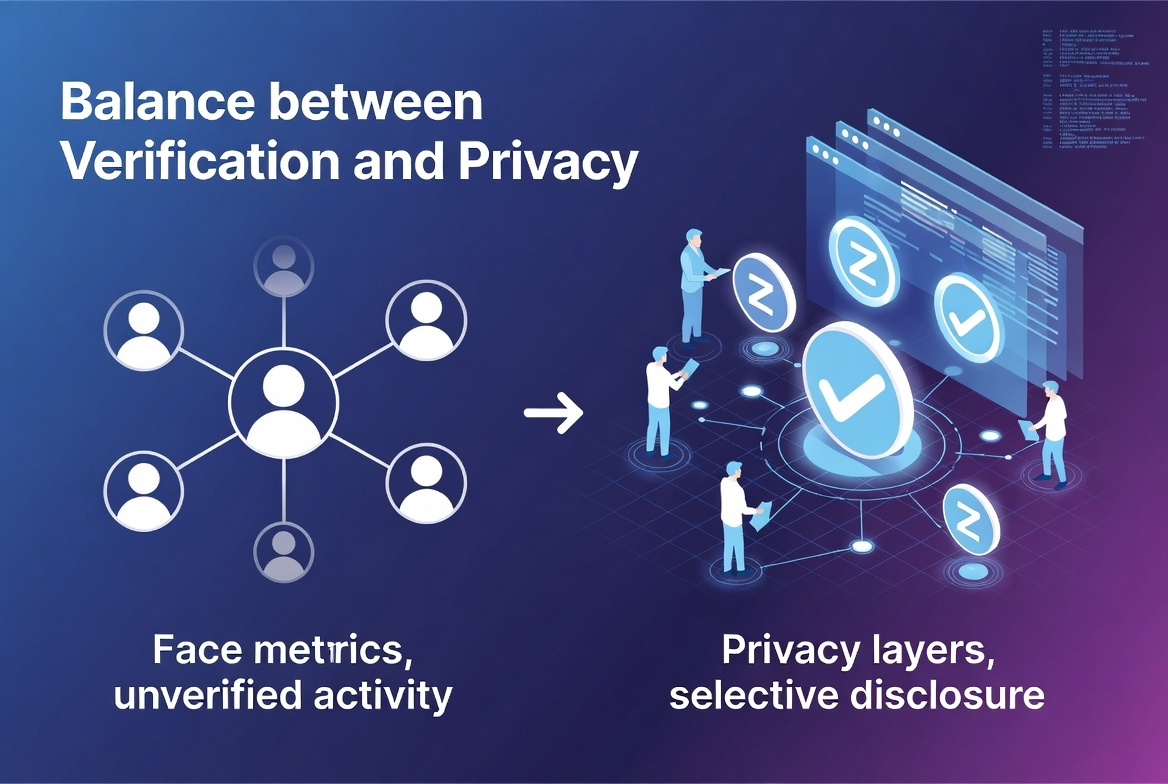
The deeper issue is structural. Web3 infrastructure projects attract long-term capital not because they are flashy, but because they address the tension between verification and privacy. Real-world actors often need proof that something is true without revealing every detail. A DAO might want to verify voter eligibility without exposing individual votes. A supply chain partner may need auditable records without sharing commercial secrets. These requirements cannot be solved by raw on-chain visibility alone.
This is where projects like @SignOfficial attempt to bridge the gap. Through selective proof systems, zero-knowledge verification, and programmable privacy layers, these infrastructures aim to allow verification without exposing sensitive data. It’s not about hiding information entirely, but about creating a system where truth can be attested reliably and shared selectively. Partner chains, privacy layers, and coordination protocols extend this principle to complex ecosystems.
The practical implications are significant. Institutions could reduce verification costs, improve accountability, and interact with decentralized infrastructure in a regulated environment. Yet adoption barriers remain high. Developers face complexity, regulators are uncertain, and integrating new infrastructure into existing systems is difficult. Even well-designed solutions may fail if the incentives or workflows don’t align with reality.
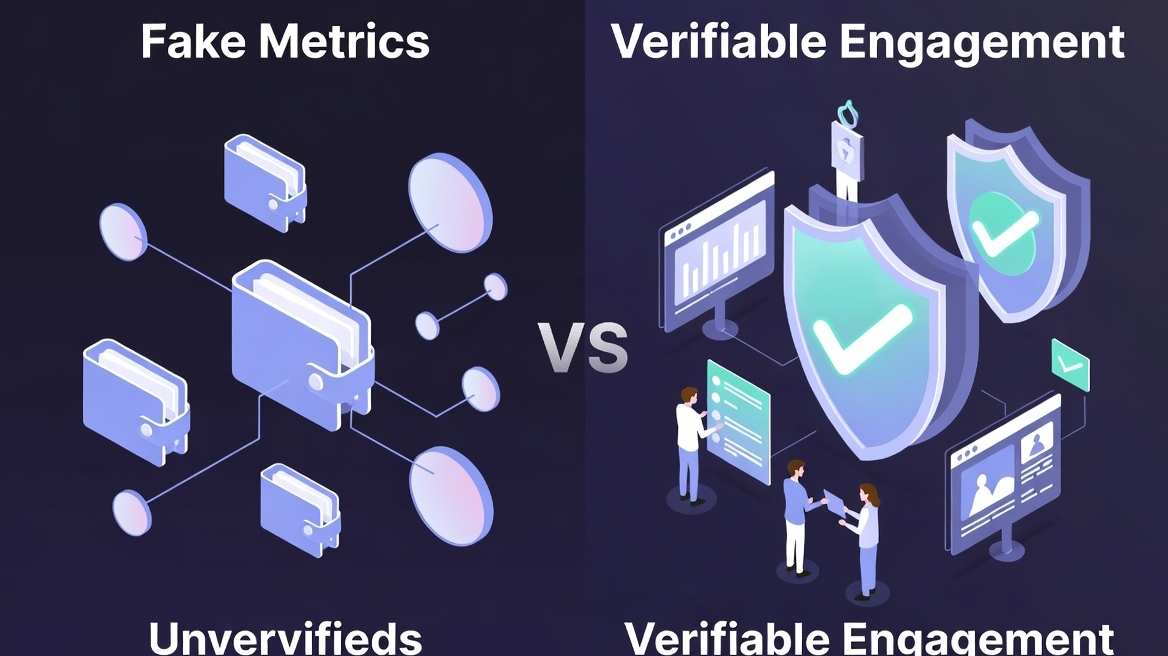
If projects like Sign can solve this structural challenge,moving from raw metrics to verifiable engagement,they could help shift Web3 from narrative experimentation toward real infrastructure. But cautious curiosity remains warranted. Success is far from guaranteed, and the path from concept to usable, trusted systems is long.$SIGN #SignDigitalSovereignInfra