
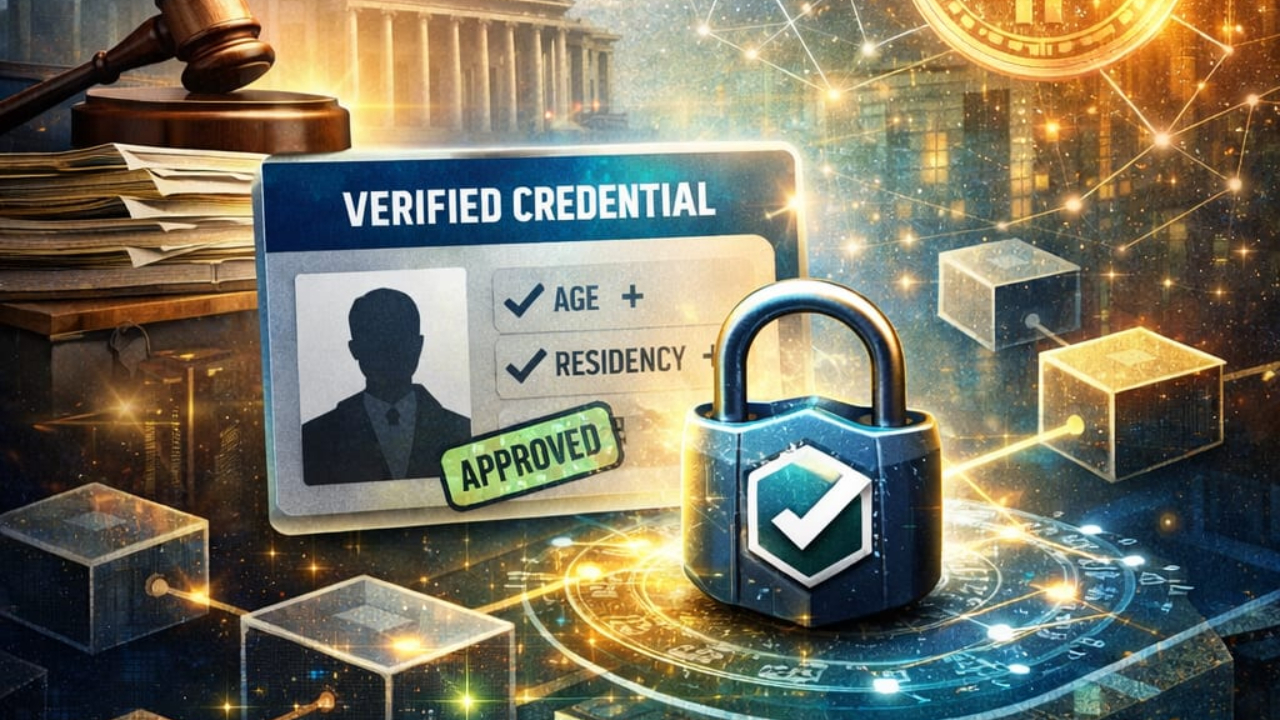

What if compliance didn’t have to break decentralization?
I used to think that was not really possible. Most systems solve compliance by adding control. And more control usually means less ownership for users. That tradeoff always felt unavoidable. But SIGN seems to be trying something different. Not removing compliance, just changing how it appears.
In SIGN, compliance is not about constant checking or surveillance. It shows up as proofs. Verifiable credentials work more like evidence than permissions. That shift sounds small, but it changes the experience. You are not asking for access anymore. You are proving something only when needed.
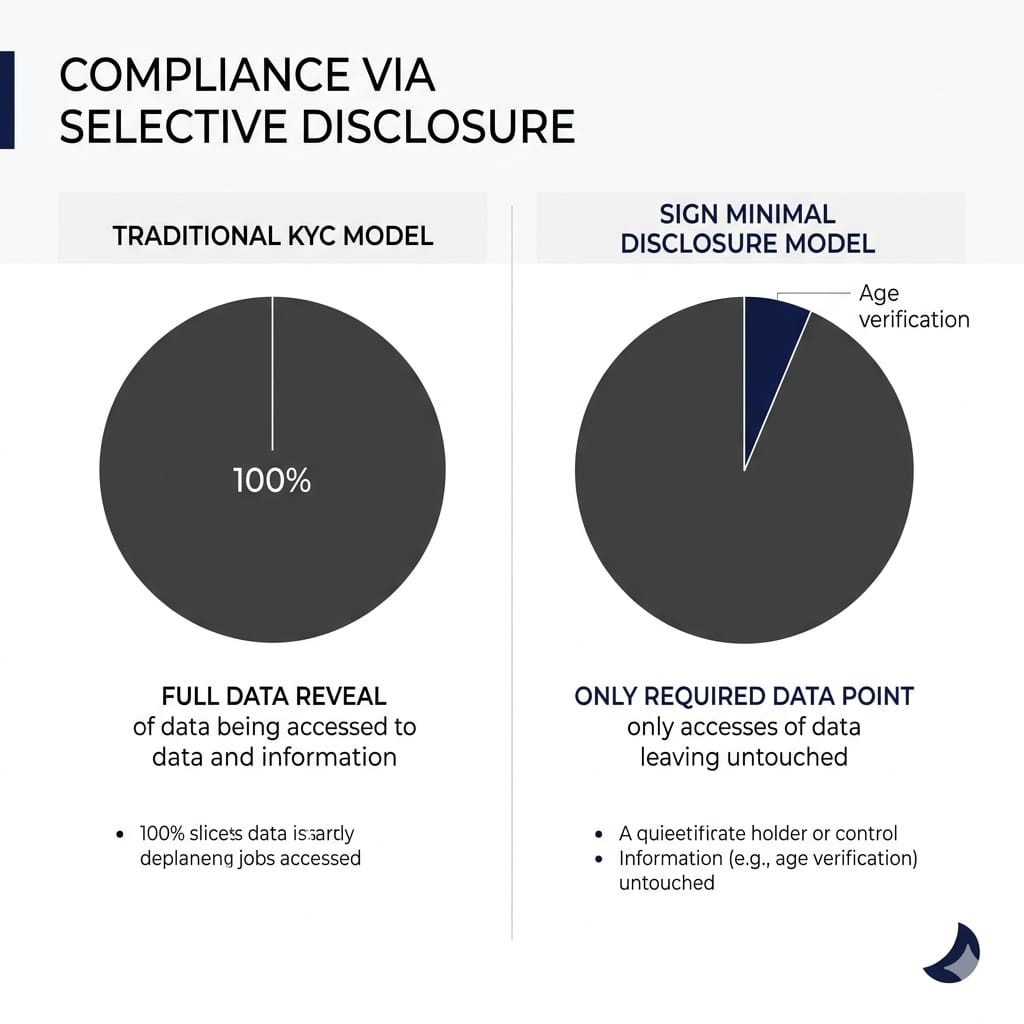
The idea of selective disclosure is where it really made sense to me. You do not have to reveal everything. Just what is required. Age, location, eligibility. Nothing extra. That feels closer to real privacy. Not the usual all-or-nothing approach we see in most systems.
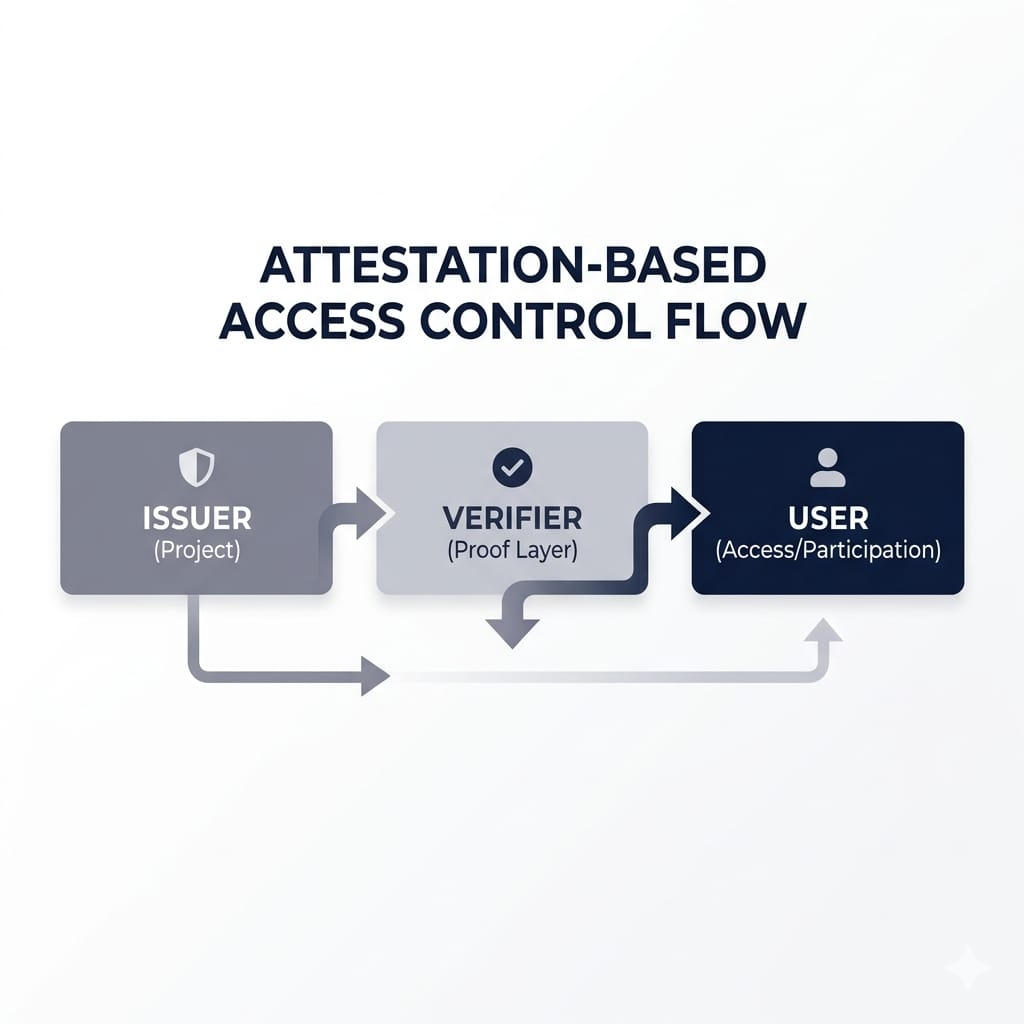
Under the surface, everything runs on attestations. Someone issues a claim about you, and that claim can be verified later. But the interesting part is you do not have to blindly trust the issuer. The proof is there. I see it as structured truth living on-chain, instead of raw personal data being exposed.
What caught my attention is how this connects to token distribution. Instead of guessing who is real, projects can rely on these attestations. It helps reduce Sybil attacks without forcing full KYC on everyone. It feels like a middle ground. Not perfect, but more aligned with how crypto was supposed to work.
Still, there is a clear tension. Trust does not disappear here. It just moves. Now it depends on who the attestors are. If institutions or governments issue credentials, their influence is still there. SIGN does not remove that power. It just makes it more visible and easier to verify.
I also think about what could go wrong. What if bad credentials get issued? What if revocation is used unfairly? The system allows updates and revocations, which is necessary, but it also means control exists somewhere. That part cannot be ignored.
At the same time, the direction is hard to miss. Institutional interest is growing. And with that comes stricter compliance needs. SIGN seems to sit right in the middle of that shift. It gives institutions a way in, without forcing users to fully give up control.
What stands out to me is that compliance here is not acting like a gate. It feels more like a layer of proofs that stays with you. That difference is subtle, but important. It keeps things flexible while still making them usable in real-world situations.
I do not think SIGN fully solves the balance between decentralization and compliance. But it does change how we think about it. Instead of choosing one side, it tries to build a system where trust is encoded in attestations, and users decide how much they reveal.
If this actually scales, compliance might stop feeling like a restriction and start feeling like something you can use.