
I keep getting stuck on the same stupid thing with Sign.
Payment was fine.
That should calm me down. It doesn't.
Fine. Wrong word.
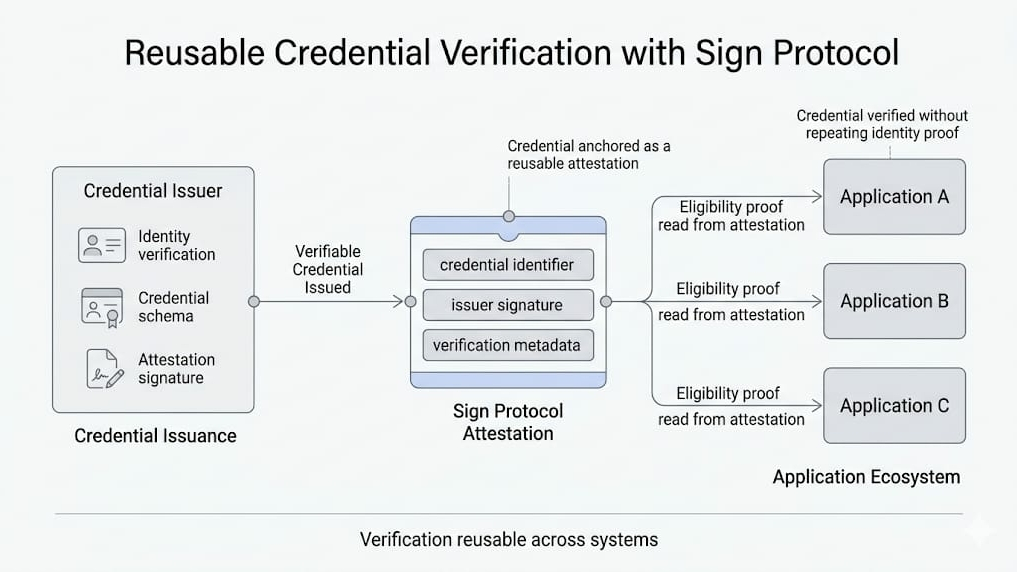
There was a record. A real one. Schema locked in. Attestation there on @SignOfficial . Issuer there. Evidence path attached. Alright... Query returned the object fast enough that nobody had to start digging through forwarded emails, old attachments, and some cursed folder called FINAL_v3_USE_THIS.
Good.
That was the simple part.
What bothered me was everything that happened after.
A payment moved through a Sign-based workflow. Public money. Not theory. Actual release. Structured schema, attested approval, supporting evidence hanging off the object the way it was supposed to. Treasury could point at the record and say the funds went out correctly. Operations liked that answer. For about thirty seconds.
Then the room went quiet in that specific way that means nobody trusts the next tab.
Then audit asked for sequence.
Not whether the payment happened.
Why it happened in that order.
Why approval two came in after approval three. Why the release cleared before the exception note was attached. Which version of the rulebook was actually in force that day instead of the version everybody kept pretending was in force because it looked cleaner in the quarterly deck.
Thats when my mood changed. Literally.
Because this is the part people flatten into "programmable money" or Sign "evidence layer" or whatever phrase makes the slide look modern. Treasury cares that release happened. Audit reopens the evidence path because it wants the order. Legal starts querying earlier exception cases because now the sequence matters more than the amount. On Sign, all of that is easier to pull back together. Good. Thats exactly why the room gets uglier faster.
Nobody in that room was confused about whether the payment went out. They were confused about who wanted to be responsible for the order in which it got approved.
I can see the desk in my head because I've seen versions of it too many times. Payment attestation on one screen. Approval timeline on another. Internal policy memo open in a third tab because someone changed the threshold halfway through the quarter and never cleaned the language up properly. Treasury says the payment is legitimate. Audit says maybe. Legal asks whether the exception path had authority or just momentum.
Treasury stops talking for a second there. That’s usually when I know the clean object isn’t going to save anyone. Same Sign record, and now the release that would have auto-cleared last month is sitting in manual review because nobody wants to sign under a sequence they don’t trust.
Very modern. Still ends with somebody scared of the memo.
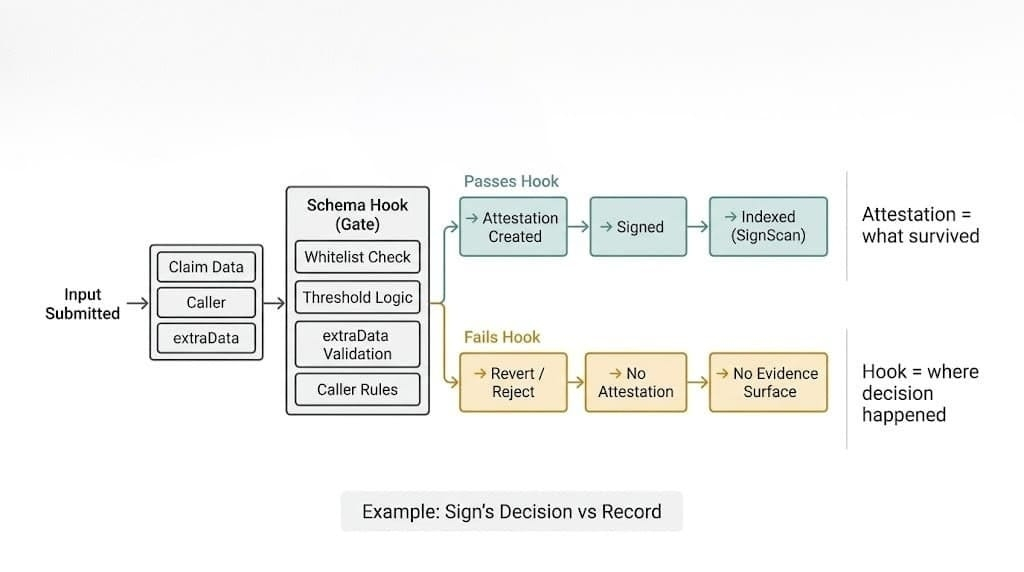
And on Sign $SIGN , this is exactly where the clean machinery becomes the problem. The attestation is doing its job. The evidence path is doing its job. Query is doing its job. Which means the room can skip straight past “did the transfer happen?” and land on the more expensive question immediately: who let it happen in that order?
Same payment. Same Sign object. Very different comfort level.
A messy system can blame paperwork. Missing files. Bad handoffs. On Sign, that excuse dies early. The schema is there. The attestation is there. Audit can reopen the evidence path. Legal can pull the object back up without the usual scavenger hunt. Better system, sure. Also means the room gets to the uglier question faster.
The attestation settles the fact of release. The query layer is what lets the next department reopen the sequence and make it your problem again.
Still not the same as the sequence making sense.
That part keeps surviving the cleanup.
And thats contradiction that keeps dragging me back.
The transfer can be perfectly valid and still leave the path looking wrong.
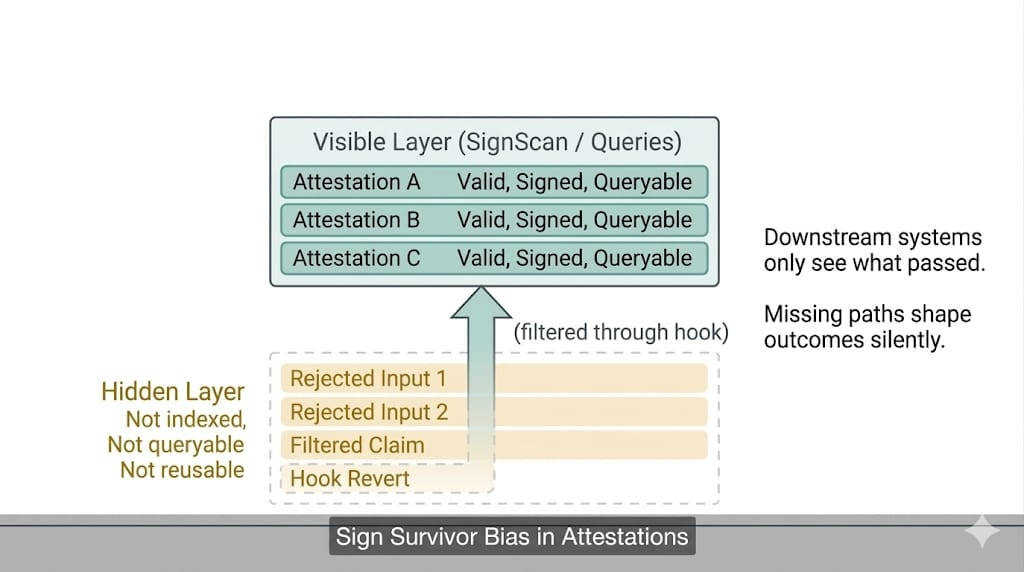
Which means the real fight is no longer over movement. It’s over control. Who signed. In what order. Under which rule set. With whose override. With whose name attached once the file stops being routine and starts becoming political.
The schema didn't fail.
attestation didn't fail. Okay okay.
Retrieval worked exactly as designed.
That's the problem.
Once the Sign layer does its job cleanly, nobody can blame missing records anymore. The pressure lands somewhere more expensive: approval authority, rule order, and whose name survives the review once somebody difficult starts reading.
A payment can be real.
Fully attested.
Queryable in seconds.
And still leave the worst question in the room sitting there untouched:
did the money move because the controls worked, or because the record layer got good enough to make control failure look orderly?