BUT NO ONE HAS AN EXIT 🚨
This isn’t just another geopolitical headline — this is a structural fracture in global energy coordination. And markets are starting to feel it.
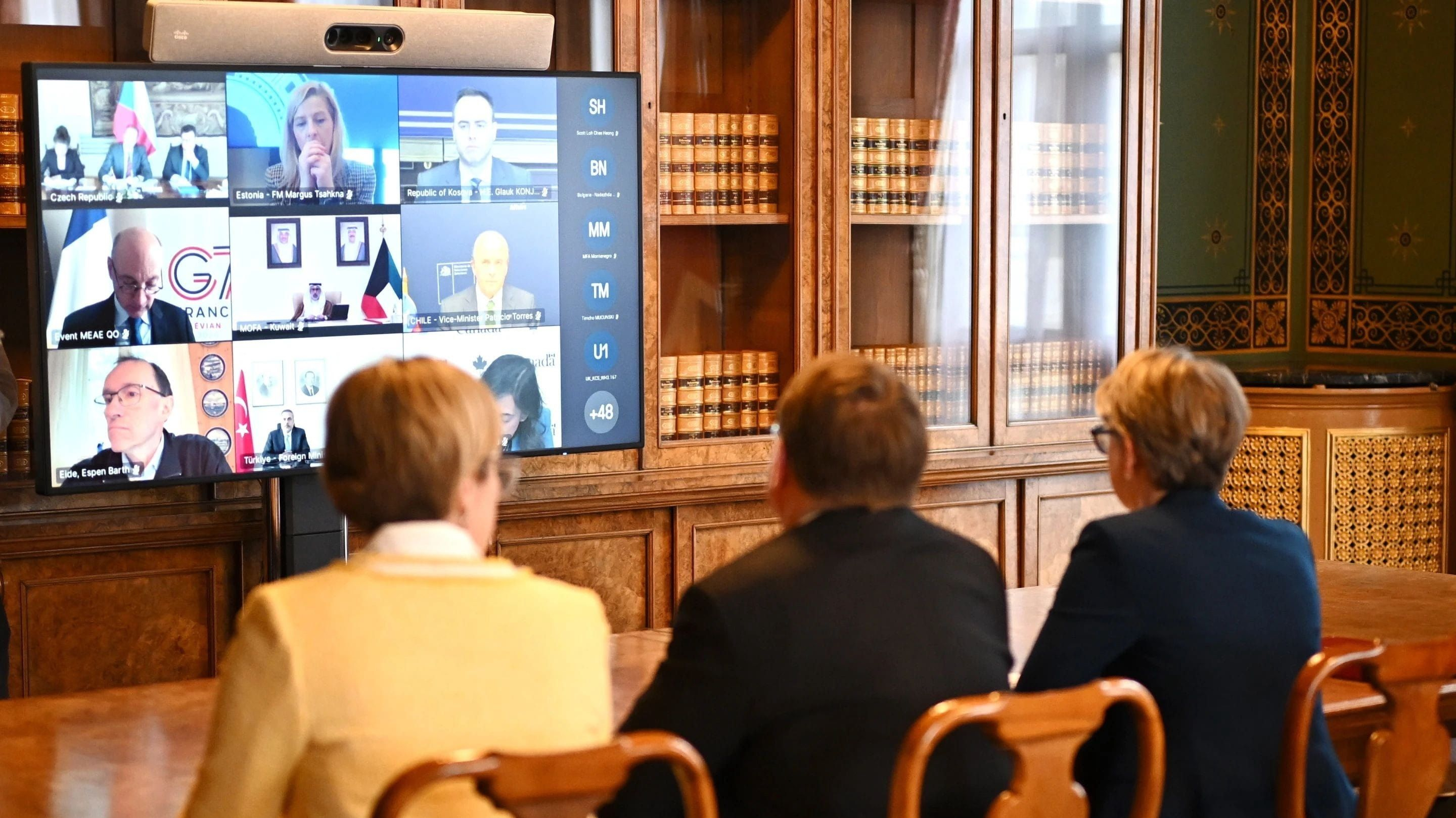
Over 40 countries just sat at the same table under UK leadership to address the escalating Hormuz crisis — the most critical oil artery on the planet. Sounds reassuring, right?
It’s not.
Because while the meeting looked like unity… the reality underneath is fragmentation at a level we haven’t seen in years.
🌍 THE MEETING THAT CHANGED NOTHING
The UK pulled together a coalition of major economies and energy-dependent nations to tackle one question:
“What happens if Hormuz goes down?”
But instead of solutions, what emerged was hesitation.
No unified military framework.
No synchronized energy contingency plan.
No binding commitments.
Just diplomacy… without execution.
🇺🇸 THE US STEP BACK — A POWER VACUUM?
The biggest signal didn’t come from who attended…
It came from who didn’t lead.
The US choosing to stay out — especially after Trump’s stance of shifting responsibility to oil-importing nations — has created a dangerous vacuum.
For decades, the global oil system operated under a simple assumption:
➡️ The US secures the lanes
➡️ The world consumes the flow
That model is now breaking.
And markets hate uncertainty more than conflict itself.
⚠️ WHY THIS IS BIGGER THAN OIL
Hormuz isn’t just about crude — it’s about confidence in global systems.
Nearly 20% of the world’s oil passes through that narrow choke point. Any disruption doesn’t just spike prices — it questions the reliability of supply chains.
And here’s the real issue:
There is no backup route that can fully replace Hormuz at scale.
So what we’re witnessing isn’t just risk…
It’s unhedgeable exposure.
📉 MARKET PSYCHOLOGY SHIFTING FAST
This kind of geopolitical uncertainty creates three immediate reactions:
Volatility spikes across commodities
Capital rotates into hard assets and narratives
Risk markets become headline-driven
And that’s where smart money starts positioning early — not reacting late.
🔗 WHY CRYPTO IS QUIETLY ENTERING THE CHAT
Moments like this expose fragility in traditional systems — and that’s where alternative rails start gaining attention.
Projects like:
$RAY → Liquidity + decentralized trading infrastructure
$SOLV → On-chain financial structuring & yield strategies
$PUNDIX → Bridging real-world payments with crypto rails
…aren’t just “altcoins” in this environment.
They’re part of a broader shift toward systems that don’t rely on geopolitical stability to function.
🧠 THE REAL TAKEAWAY
This Hormuz meeting wasn’t about solutions.
It was a signal.
A signal that:
Global coordination is weakening
Energy security is becoming regional, not global
And the old “one system protects all” model is fading
⏳ WHAT HAPPENS NEXT?
Watch these closely:
Any military escalation near Hormuz
Emergency oil reserve releases
Sudden policy shifts from major importers (China, India, EU)
And most importantly… US re-engagement (or lack of it)
Because right now, the market isn’t pricing stability.
It’s pricing uncertainty with no clear ceiling.
Stay sharp. This isn’t noise — it’s the early stage of a global macro shift. ⚡
#ADPJobsSurge #OilMarket #DadaNews_crypto_ #btc #globaleconomy