
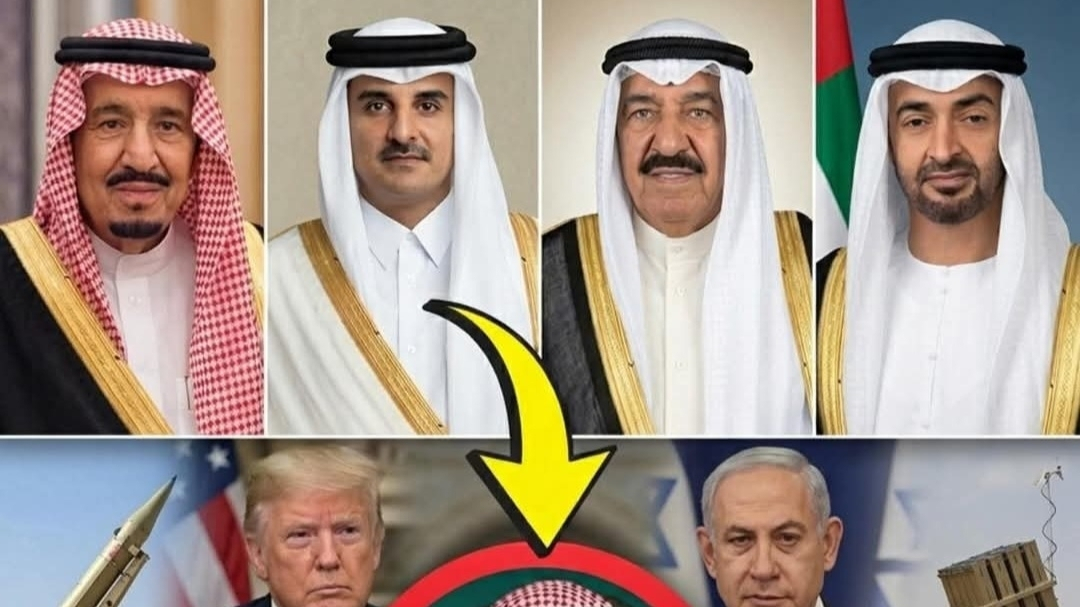
Arabs Must Redress Their Historic Mistake
A stinging question regarding the role of Arab states... an "inside job" that has caused immense damage. This question is nothing short of a tsunami; it exposes the double standards of Arab rulers. Is it a criminal silence regarding Iran and Gaza, or is it simply fear?
The atmosphere in Islamabad is currently not just a witness to diplomatic meetings; a new chapter in the destiny of the Middle East is being written here—one being drafted without the consent of Washington or Tel Aviv. Amidst this upheaval, a piercing question from Qatari intellectual Mohammad Al-Misfer has become a global headline, sending tremors through the corridors of power in the Arab world.
Shaking the conscience of the Arab leadership, the Qatari author asked:
"Why did we not condemn Israel from the very beginning? Israel was the one who started the war, so why did the Arab states remain silenc
This question is not merely a sentence; it is an indictment of the "double standards" that have been written with the blood of innocents in the streets of Gaza for years.
When Israel, alongside the United States, attacked Iran's sovereignty, the world expected the Arab community to stand as a "leaden wall" against this aggression. But alas! Even as missiles fell on Tehran, the tongues of Arab states remained locked.
The question is: Can Arab rulers not see that Israel’s "Greater Israel" project is not limited to Palestine? When Israel and the U.S. join forces to attack a Muslim country and neighboring Arab nations remain silent, this silence is effectively equivalent to emboldening Israel.
The political gamble played by Israeli Prime Minister Benjamin Netanyahu was based precisely on this division and silence within the Arab world. Israel believed it could redraw the map of the region through force, but the recent meeting in Islamabad has proven that the tide is turning:
The emergence of Pakistan's role as a smart mediator.
The alliance of Saudi Arabia, Turkey, and Egypt: The beginning of the end of reliance on the United States.
Despite being an economically weak country, Pakistan stands firm, condemning Israel at every forum and acting as a major hurdle in the path of the "Greater Israel" project.
Mohammad Al-Misfer points toward the bitter reality: as long as you do not call aggression by its real name—"Genocide"—the strategic burden will continue to grow. The seed sown in Islamabad could be the beginning of the end of the global monopoly over decision-making in the Middle East.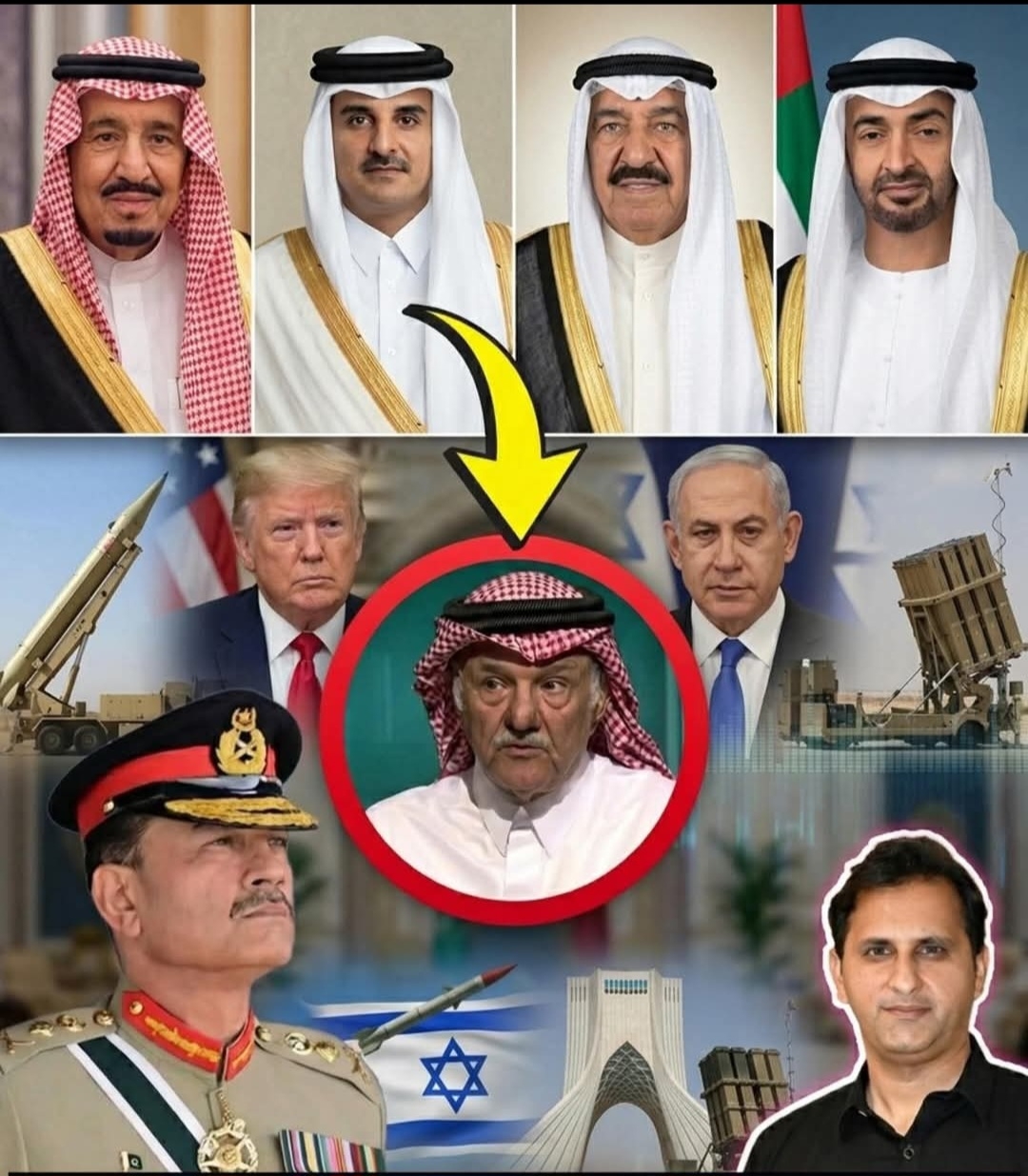
Will the Arab states redress their historic mistake? Or will history remember them as silent spectators who backed Israel?