🔑 Key Highlights:
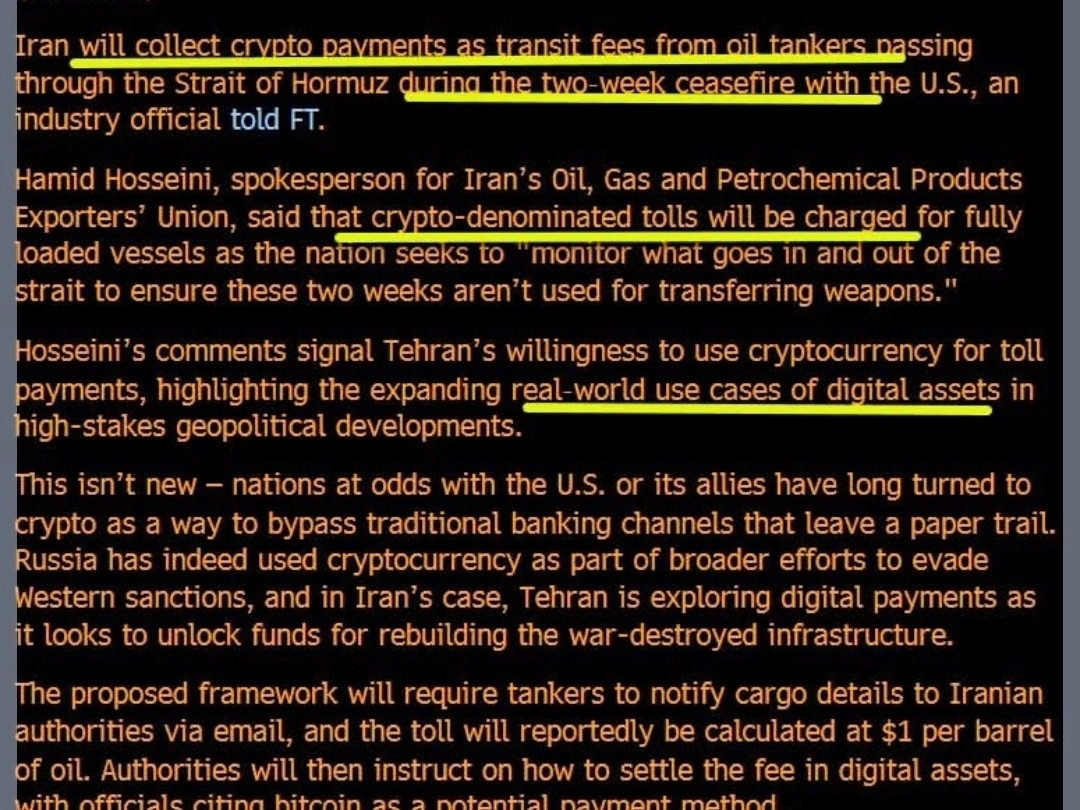
The Toll: Iran is reportedly setting a transit fee of $1 per barrel for fully loaded tankers.
Speed & Privacy: Approved vessels are given a narrow window to pay in Bitcoin, ensuring transactions remain resistant to traditional sanctions and seizures.
Security Control: The Iranian Oil, Gas, and Petrochemical Products Exporters' Union states this allows for strict monitoring of cargo to prevent weapon transfers during the truce.
🌍 Global Implications:
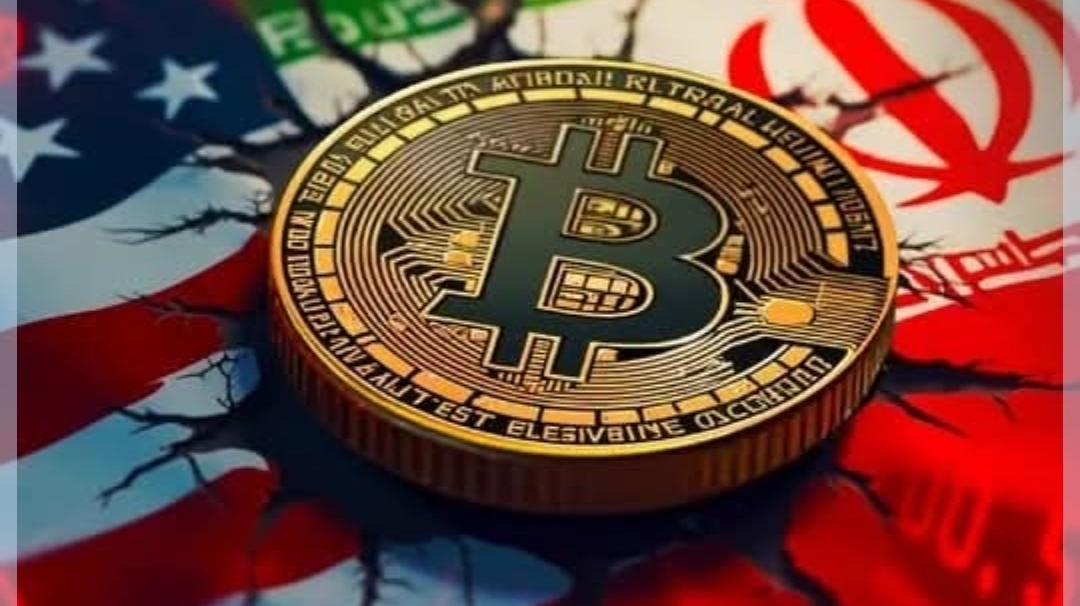
This isn't just about logistics—it’s a stress test for Bitcoin as a reserve and settlement currency on the international stage. If this initiative holds, it could pave the way for other nations to bypass legacy banking systems, fundamentally altering the global economic landscape.
As digital currencies gain this kind of high-stakes traction, the boundary between "alternative finance" and "global commerce" is officially disappearing.
Mentioned: @FinancialTimes @binance @FT #Bitcoin #CryptoNews #StraitOfHormuz #GlobalTrade #EnergyMarket #BTC #OilAndGas #BreakingNews 🚢🛢️⚡️