

The End of the Islamabad Peace Talks: Failure Over the Strait of Hormuz
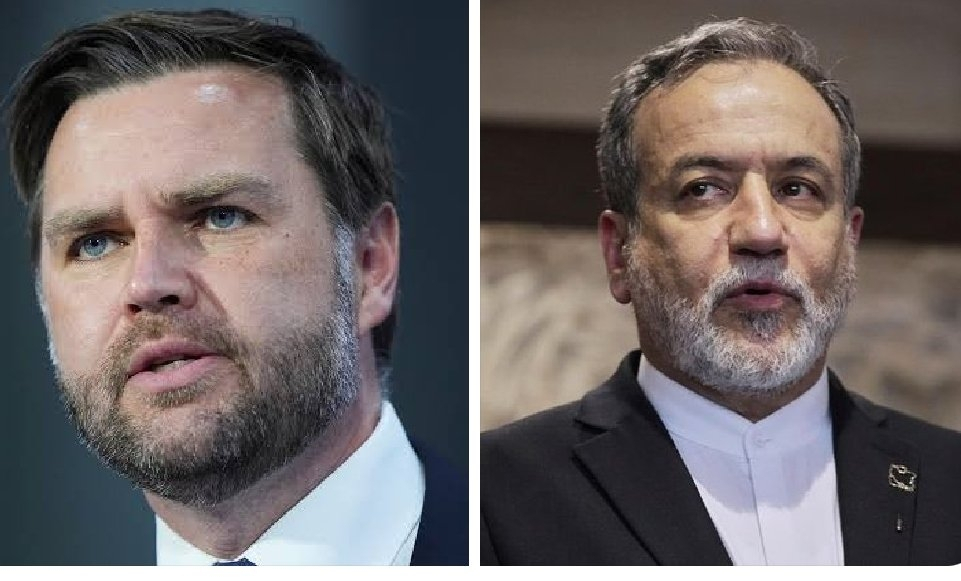
ISLAMABAD – After weeks of mediated discussions hosted by Pakistan, the much-anticipated Islamabad Peace Talks between the United States and Iran have officially collapsed without a final agreement. Diplomatic sources confirmed that the two sides remain irreconcilably divided over control of the Strait of Hormuz, a chokepoint through which over 20% of the world’s oil passes.
The talks, seen as a last-ditch effort to de-escalate tensions in the Persian Gulf, ended late Tuesday with both delegations trading blame. The failure marks a significant diplomatic setback and raises the specter of military confrontation in one of the world’s most strategic waterways.
The Core Dispute: Who Controls the Strait?
At the heart of the breakdown lies Iran’s insistence on sole authority over the Strait of Hormuz. Tehran argues that the strait is not international waters and has proposed charging transit fees similar to the Suez Canal model. The United States has firmly rejected this, pushing instead for a joint control regime. Iran, in turn, questions America’s role and relevance in the region, calling the U.S. proposal a “colonial relic.”
Financial Demands and Sanctions
Iran entered the talks with strict financial conditions, including the unfreezing of approximately $105 billion in international assets, plus compensation for infrastructure and human losses from past conflicts. The U.S. showed limited flexibility, offering a possible 65–70% easing of sanctions and the release of $6 billion in frozen funds held in Qatar—but only in exchange for verifiable limits on Iran’s nuclear program.
That potential compromise, which analysts had identified as the only viable path forward, ultimately failed. Iranian negotiators refused to link maritime authority to nuclear concessions, while U.S. officials demanded an inseparable package.
Geopolitical Fallout
With the talks dead, Iran has signaled it may move unilaterally to implement tolls and expand its naval presence in the strait. Such a move could generate billions in annual revenue for Tehran—revenue it views as essential for future generations. However, it would also trigger a likely U.S. naval response, raising the risk of blockades, sabotage, or limited military strikes.
Gulf Arab states, already skeptical of U.S. security commitments, are now accelerating alternative strategies. Saudi Arabia and the UAE are fast-tracking overland pipeline projects and renewable energy investments to reduce their dependence on Hormuz. Meanwhile, China and Russia have quietly backed Iran’s position, viewing the talks’ collapse as further proof of U.S. overreach in the region.
Internal Pressures and Legal Hurdles
Inside Iran, hardliners celebrate the talks’ failure, arguing that any compromise on the strait’s sovereignty would be treason. Moderates, however, warn that the collapse forfeits a rare chance for sanctions relief. Under the UN Convention on the Law of the Sea (UNCLOS), the strait qualifies as a route for international navigation—a legal reality that complicates Iran’s claims but does not deter its actions.
What Comes Next?
With no further negotiation rounds scheduled, both sides appear to be bracing for a prolonged standoff. The U.S. has warned of “serious consequences” if Iran disrupts maritime traffic, while Iranian officials have threatened to close the strait entirely if provoked. Global energy markets are already showing signs of volatility, with oil prices rising in anticipation of supply disruptions.
The Islamabad Peace Talks, once hailed as a historic opportunity, have ended not with a handshake but with hardened positions—leaving the Strait of Hormuz as the defining flashpoint of a new era of Gulf instability.
 $BTC
$BTC

BTC
74,729.44
+0.80%

ETH
2,342.94
+0.46%

BNB
620.88
+0.46%