
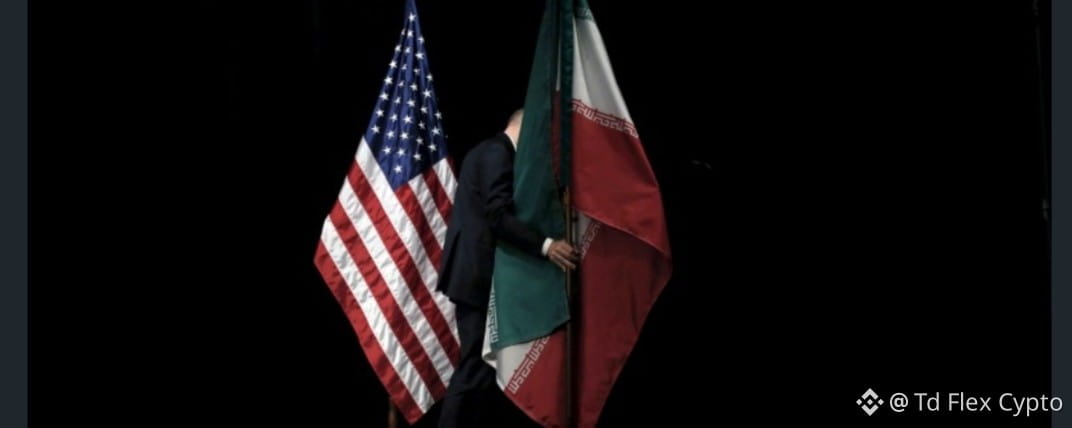
The U.S. military has said that it will start a blockade of the Strait of Hormuz at 10 a.m. Eastern on Monday for vessels "entering or departing Iranian ports and coastal areas," as President Donald Trump reportedly weighs limited strikes on Iran following failed weekend negotiations.But the Pentagon noted that ships moving through the strait that are not destined for or departing from Iranian ports will be allowed to sail.#oil #USMilitaryToBlockadeStraitOfHormuz
In response, Iran’s armed forces have warned that "no port in the Persian Gulf and the Sea of Oman will be safe" should the blockade take effect, calling it an "act of piracy," according to state broadcaster IRIB. Tehran will also not allow U.S. ships to pass through the Strait of Hormuz and will protect its territorial waters, IRIB reported.
Iranian Parliament Speaker Mohammad Bagher Qalibaf also declared Sunday that Iran will not yield to threats. Addressing Trump directly on social media, Qalibaf stated, “If you fight, we will fight."
It was not immediately clear whether U.S. allies would be involved in blockading the Strait of Hormuz. Speaking to reporters on Sunday evening, Trump criticized NATO for not helping with the war effort in Iran, reiterating that Washington was seriously examining its relationship with the organization.
Oil prices rose back above $100 a barrel on Monday, while global stocks wobbled.
The weekend’s news is potentially another blow to markets, although investors have so far interpreted it fairly cautiously," said Thomas Mathews, Head of Markets, Asia Pacific, at Capital Economics.