
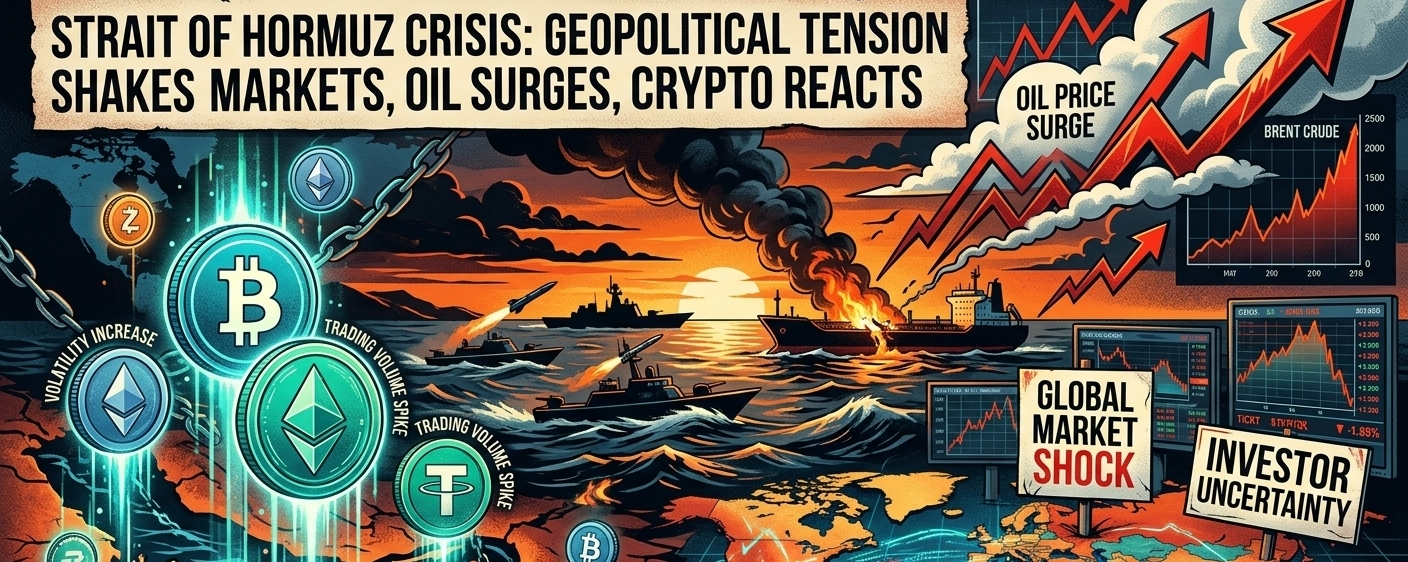

Strait of Hormuz Crisis Deepens: Iran’s Warning Shakes Global Markets, Oil Prices Surge, and Crypto Tokens React to Rising Geopolitical Tension
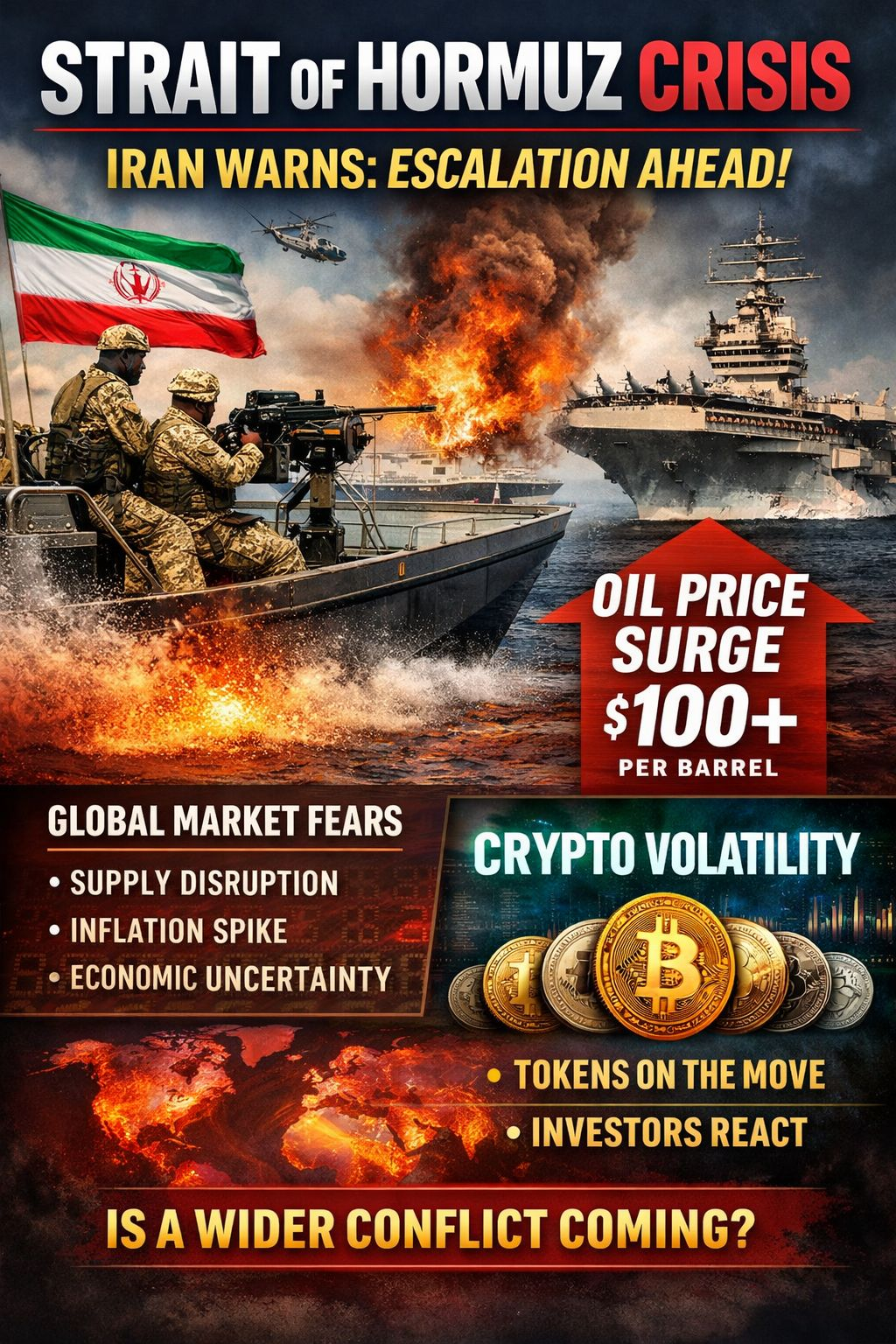
The recent warning from Iran that any military action in the Strait of Hormuz will lead to a serious escalation has sent shockwaves across global markets, raising concerns not only about oil supply but also about how digital assets and emerging tokens are reacting to this growing uncertainty. The Strait of Hormuz is one of the most important routes in the world for oil transportation, and even a small disruption can create a big impact on global prices, trade flow, and investor confidence. As tensions rise, traders, investors, and analysts are closely watching both traditional markets and the crypto space, where new trends, data, and token movements are beginning to reflect the fear and opportunity created by this crisis.
In recent updates, the situation has become more intense as military presence in the region continues to grow. Iran has made it clear that it sees foreign military activity near the strait as a direct threat, and this strong stance has increased the chances of conflict. At the same time, oil prices have already started reacting, showing sharp upward movement. This price increase is not just driven by supply concerns but also by market sentiment, which is heavily influenced by geopolitical risk. When uncertainty rises, investors often move their money into safe assets or high-potential alternatives, and this is where crypto tokens start gaining attention.
Looking at recent data, there has been a noticeable increase in trading volume across several major and mid-cap tokens. This rise suggests that traders are actively repositioning their portfolios in response to the ongoing crisis. Some tokens linked to energy, infrastructure, and decentralized finance are showing strong momentum, as investors expect these sectors to benefit from instability in traditional systems. In particular, tokens that focus on decentralized trading, cross-border payments, and energy-backed systems are gaining traction, as they offer an alternative to centralized systems that can be affected by global conflicts.
Another important factor in this situation is how liquidity is moving across markets. When oil prices rise quickly, it often leads to inflation concerns, which can weaken fiat currencies. As a result, many investors look for assets that can protect their value, and this is where digital tokens come into play. Recent updates show that stablecoins are seeing increased usage, especially in regions where currency volatility is high. This trend highlights how tokens are becoming more than just speculative assets; they are now part of real financial strategies used by people around the world.
At the same time, the derivatives market is also showing interesting signals. Futures and perpetual contracts for various tokens are seeing higher open interest, which means more traders are entering positions. This increase is often a sign of expected volatility, and in the current situation, volatility is almost certain. Data from recent trading sessions shows that liquidation levels are rising, indicating that both long and short traders are being affected by sudden price moves. This creates opportunities for experienced traders but also increases risk for those who are not prepared.
The connection between oil and crypto may not seem obvious at first, but in times of crisis, all markets become linked through investor behavior. When oil prices spike, it affects transportation, production costs, and overall economic stability. This can lead to changes in interest rates, government policies, and global trade patterns. As a result, investors start looking for assets that can perform well in uncertain conditions, and many tokens fit this description due to their decentralized nature and global accessibility.
Recent updates in the crypto space also show that new projects are gaining attention by positioning themselves as solutions for global instability. Some tokens are focusing on energy trading, allowing users to buy and sell energy resources using blockchain technology. Others are building platforms for secure and fast international payments, which can be very useful when traditional banking systems face disruptions. These developments are supported by strong data showing increased user activity, higher transaction volumes, and growing community engagement.
In addition, whale activity has increased significantly during this period. Large investors are moving funds between exchanges and wallets, which often signals preparation for major market moves. Data tracking these movements shows that certain tokens are being accumulated at key price levels, suggesting that smart money is positioning itself for future gains. This behavior is important because it often leads to strong price trends once the market direction becomes clear.
The role of sentiment cannot be ignored in this situation. Social media, news platforms, and trading communities are filled with discussions about the Strait of Hormuz and its impact on markets. This constant flow of information influences how traders make decisions, sometimes leading to quick price changes based on emotions rather than fundamentals. However, experienced investors use this sentiment as a tool, combining it with data and technical analysis to make informed decisions.
Another key update is the performance of smaller tokens, which are often more sensitive to market changes. These tokens have shown sharp movements, both upward and downward, as traders look for quick opportunities. While this can lead to high profits, it also comes with high risk. Data suggests that many of these tokens are experiencing increased volatility, making them attractive for short-term trading but less stable for long-term holding.
As the crisis continues to develop, regulatory concerns may also come into play. Governments around the world may take steps to control capital flow, manage inflation, or secure energy supplies. These actions can have a direct impact on both traditional markets and the crypto space. Tokens that offer privacy, decentralization, and independence from central control may see increased demand, as users look for ways to protect their assets from potential restrictions.
The importance of real-time data has never been greater. Traders are relying on live updates, price charts, and on-chain analysis to stay ahead of the market. Recent improvements in data tracking tools have made it easier to monitor token performance, wallet activity, and market trends. This access to information allows traders to react quickly to changes, which is crucial in a fast-moving situation like the current crisis.
In terms of long-term impact, the Strait of Hormuz tension could lead to lasting changes in how markets operate. Energy prices may remain high, affecting global economies and increasing interest in alternative solutions. Crypto tokens that focus on efficiency, cost reduction, and global access could benefit from this shift. Recent updates already show that institutional interest in digital assets is growing, as large companies and funds explore ways to include tokens in their investment strategies.
The relationship between risk and opportunity is very clear in this situation. While the threat of conflict creates fear, it also opens the door for new trends and innovations. Tokens that can provide real value in times of uncertainty are likely to gain strong support from the market. Data shows that projects with active development, clear use cases, and strong communities are performing better than those without a solid foundation.
As investors navigate this complex environment, it is important to focus on reliable data and avoid emotional decisions. The market will continue to react to news from the Strait of Hormuz, and price movements may remain unpredictable. However, by understanding the connection between global events and token performance, traders can make better decisions and manage their risk effectively.
Recent updates suggest that the situation is far from over, and further developments could lead to even bigger market reactions. Oil prices may continue to rise, and this could create additional pressure on global economies. At the same time, the crypto market is likely to remain active, with increased trading volume and new opportunities emerging.
In conclusion, the warning from Iran about military action in the Strait of Hormuz is not just a political statement; it is a major event that is influencing global markets in many ways. From rising oil prices to shifting investor behavior and increased activity in crypto tokens, the impact is wide and deep. By focusing on recent updates, analyzing data, and understanding token trends, investors can better prepare for what lies ahead. The situation highlights the growing importance of digital assets in a connected world, where traditional and modern systems are becoming more linked than ever before.


