
Die meisten Menschen denken immer noch, dass Web3-Gaming um auffällige Trailer und Token-Pumps geht.
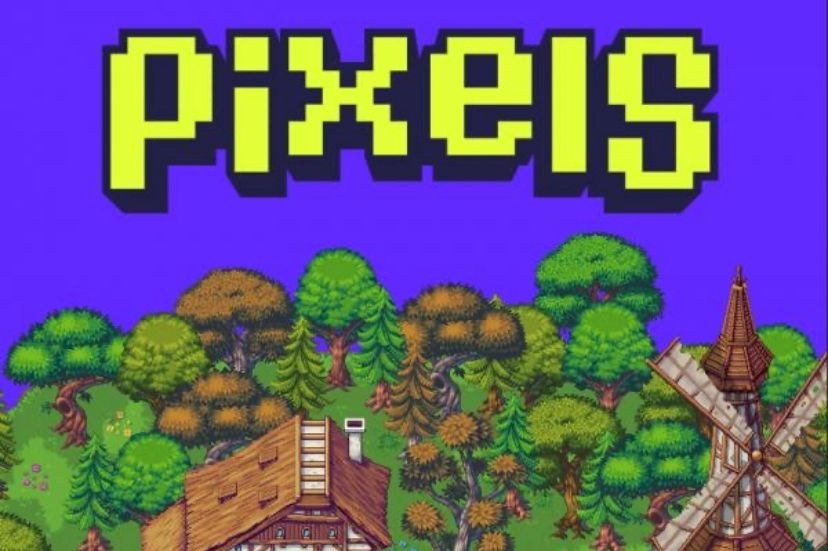
Genau deshalb verpassen sie, was leise im Inneren von Pixels und dem $PIXEL Ökosystem passiert.
Hier ist der Wandel: Während alle den "AAA-Blockchain-Spielen" nachjagen, ging Pixels in die entgegengesetzte Richtung – einfaches Farming, soziale Schleifen und tatsächliches Spielerverhalten. Klingt einfach, aber das ist der Punkt. Die Leute loggen sich nicht ein, um zu spekulieren… sie loggen sich ein, um zu spielen.
Was ich zu bemerken begann, ist folgendes: Die Wirtschaft wird nicht erzwungen – sie entsteht.
Spieler bewirtschaften, handeln Ressourcen, mieten Land und interagieren sozial. Das schafft natürliche Nachfrage-Schleifen anstelle künstlicher Anreize. Du musst jemanden nicht überzeugen zu bleiben, wenn ihr Fortschritt tatsächlich etwas bedeutet.
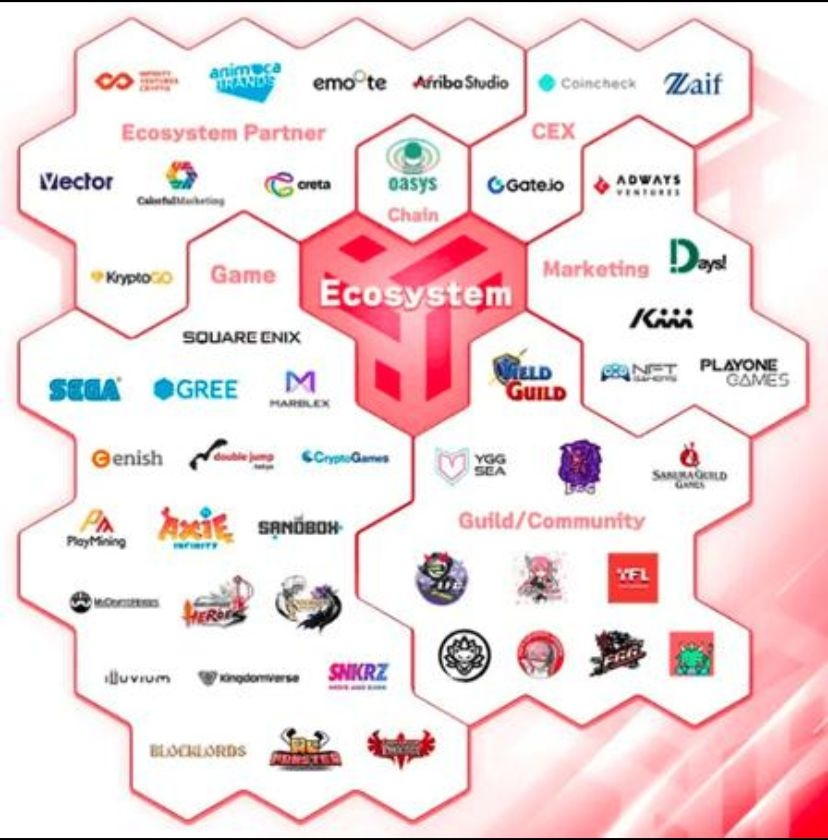
Und hier wird es interessant. Im Ronin-Netzwerk verhält sich Pixels nicht nur wie ein weiteres Spiel – es verhält sich wie eine kleine digitale Wirtschaft. Land-NFTs, Ressourcenflüsse und Interaktionen zwischen Spielern bilden etwas, das näher an einer Sandbox-Gesellschaft als an einem Spiel ist.
Die meisten Menschen sind immer noch damit beschäftigt, Diagramme zu beobachten. Aber wenn du dir das Verhalten ansiehst – tägliche Aktivitäten, soziale Schleifen, wiederholte Interaktionen – erzählt es eine andere Geschichte. Das ist keine hypegetriebene Bindung. Es ist eine gewohnheitsgetriebene.
Das gesagt, ist es nicht risikofrei. Die Einfachheit, die Pixels zugänglich macht, könnte auch die Tiefe langfristig einschränken. Wenn sich keine neuen Schichten des Gameplays entwickeln, könnten die Spieler stagnieren. Und wie jede Web3-Wirtschaft, wenn die Belohnungen den Nutzen überwiegen, kann das System schnell zusammenbrechen.
Aber hier ist der Teil, den die meisten Menschen unterschätzen:
Pixels versucht nicht, dich in 5 Minuten zu beeindrucken – es versucht, dich für 50 Tage zu halten.
Und auf diesem Markt ist die Bindung der wahre Alpha.
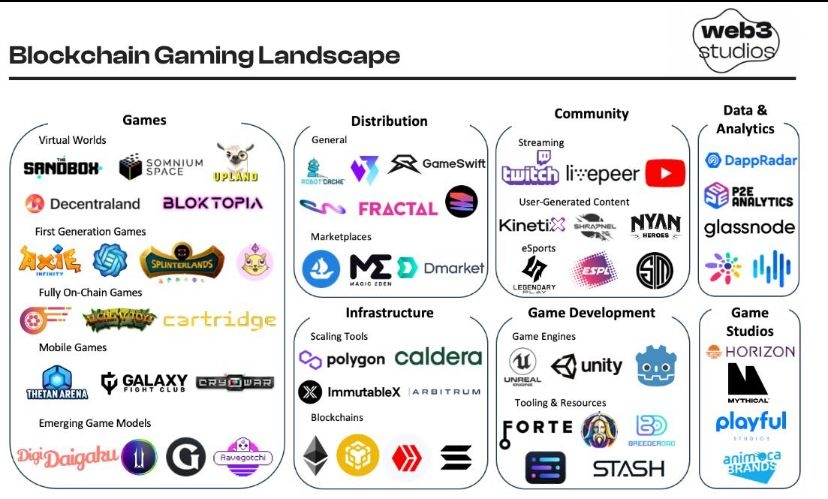
Bis die Menschen erkennen, dass die stärksten Web3-Spiele überhaupt nicht wie Spiele aussehen werden – sondern wie lebende Volkswirtschaften…
sie werden bereits spät dran sein.
\u003cm-33/\u003e\u003ct-34/\u003e\u003cc-35/\u003e